Families sharing chocolate at home
For an occasional school-holiday treat, choose the cocoa intensity and ingredients with the people eating it in mind. Check the exact bar’s allergen information before serving.


For an at-home school-holiday treat, choose a bar whose specific pack or product page confirms the Fairtrade claim you want, then choose a cocoa percentage the eater enjoys. A 70% bar offers a less intense option than the 75% and 85% examples here, but cocoa percentage and a vegan label cannot establish allergy suitability; read the current pack before serving.
For an occasional school-holiday treat, choose the cocoa intensity and ingredients with the people eating it in mind. Check the exact bar’s allergen information before serving.
If a general ethical-sourcing statement is not enough, check the mark and wording on the product. The Fairtrade Foundation distinguishes the classic FAIRTRADE Mark from the Fairtrade Sourced Ingredient mark.
Compare the stated 70%, 75% and 85% cocoa options by flavour preference, while checking the allergen statement for each individual bar.
Start with the Fairtrade claim and allergen label; cocoa percentage then helps narrow the choice by taste. Whether the chocolate will be eaten at home or supplied by a provider is a separate check.
| Priority | What to check | Your needs |
|---|---|---|
| Fairtrade claim | Check the exact pack’s mark and wording. The Fairtrade Foundation says the classic FAIRTRADE Mark covers ingredients that can be Fairtrade certified; its Sourced Ingredient mark identifies a named Fairtrade-sourced ingredient. | I want to know whether the claim covers the bar’s certifiable ingredients or a particular ingredient such as cocoa. |
| Cocoa intensity | Compare the stated cocoa percentage and the type of bar. Divine lists a 70% dark bar; M&S lists Fairtrade-cocoa bars at 75% and 85%. | If the eater is new to dark chocolate, I would consider 70% before a more intense 85% bar. Someone who already enjoys stronger cocoa flavours may prefer the latter. |
| Allergens | Read the current ingredients, allergen declaration and any precautionary wording. The Food Standards Agency explains that precautionary allergen labelling communicates possible unintended allergen presence. | A vegan or dark-chocolate description is not enough if someone eating the bar has an allergy; I need to check that exact pack. |
| Where it is served | Distinguish food eaten at home from food provided by a state-funded school in England. The Department for Education describes the scope of England’s school-food requirements, and the Requirements for School Food Regulations 2014 define chocolate as confectionery. | For a school or holiday provider, I would check its food and allergy rules before sending chocolate. An at-home holiday treat is a different setting. |
Words such as “responsibly sourced” do not, on their own, identify what Fairtrade certification covers.
Check the mark on the exact bar. If it is the Fairtrade Sourced Ingredient mark, check which ingredient it names, as the Fairtrade Foundation advises.
A higher cocoa percentage does not tell you whether someone will enjoy the flavour, whether the bar suits an allergy or whether a provider will accept it.
Choose for the eater’s existing taste preference, then check the ingredients and intended setting separately.
Divine’s vegan-labelled 70% bar says it may contain gluten, milk and nuts. A recipe description does not replace the allergen declaration or precautionary wording.
Read the current physical pack before serving and follow any allergy arrangements already in place for the person eating it.
The Department for Education’s school-food guidance concerns food and drink provided in state-funded schools in England; the 2014 regulations define chocolate as confectionery. A Fairtrade claim does not answer a provider’s food-policy question.
Ask the school or holiday provider what may be brought or served. Do not assume the England guidance sets the rules for every UK nation or holiday club.
These brand examples show why a claim and allergen check must be made for the individual bar, rather than inferred from a brand name.
Divine describes itself as farmer co-owned and lists a 70% dark-chocolate bar made with Fairtrade ingredients.
M&S describes Fairtrade cocoa in its 75% single-origin and 85% dark-chocolate bars.
Its UK site presents Fairtrade and organic chocolate ranges and lists 70% and 85% organic dark bars.
Montezuma’s describes certified cocoa and ethical sourcing, and sells a 100% cocoa Absolute Black bar.
Its UK dark-chocolate range includes 70%, 80% and 85% items, alongside filled and flavoured formats.
Lindt’s UK dark-chocolate range lists bars at several cocoa percentages, including 70%, 85%, 99% and 100%.
These options include 70% and 85% dark-chocolate bars and a 42% dark milk bar. Check each current pack’s Fairtrade wording and allergen information against your reason for buying it.
 No image available
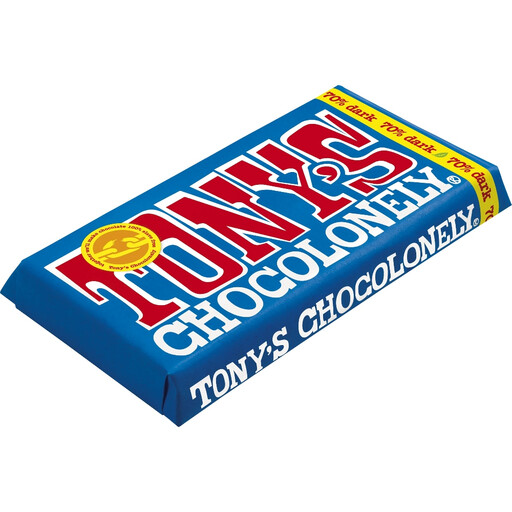
A 70% cocoa bar to consider for an at-home treat. Its description identifies cocoa mass, sugar and cocoa butter as traded in compliance with Fairtrade Standards; check the current pack’s mark and scope. The allergen information lists soya and warns of possible gluten-containing cereals, eggs, milk, nuts and peanuts.
 No image available
This fruit-flavoured option states a minimum of 70% cocoa solids and contains 3% freeze-dried raspberry pieces. Its description calls it Fairtrade-certified, but check the current pack’s mark; the ingredient and allergen information declares milk and also warns that it may contain gluten and nuts.
 No image available
An 85% cocoa option for someone who already enjoys an intense dark-chocolate flavour. Its description identifies Fairtrade cocoa, sugar and vanilla but also describes mass-balance mixing, so check the pack’s exact mark and wording. It says the bar may contain almonds, hazelnuts and milk.
 No image available
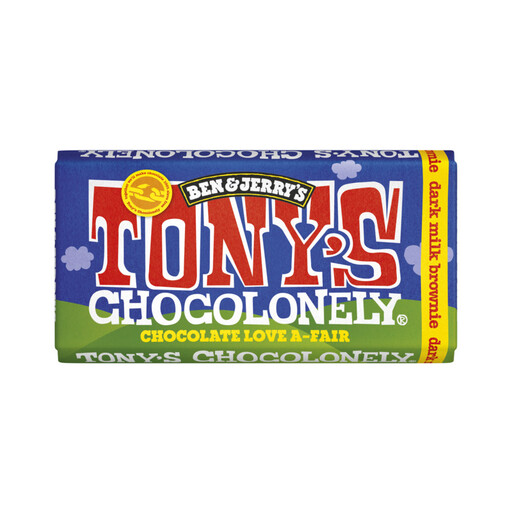
This is a dark milk bar with 42% minimum cocoa solids and brownie pieces, rather than a 70%–85% dark bar. Its description makes a Fairtrade-cocoa claim; check the current pack’s mark and wording. It lists milk, soya and wheat and says it may contain eggs, nuts and peanuts.
Check the mark and wording on the exact pack. The Fairtrade Foundation says the classic FAIRTRADE Mark covers ingredients that can be Fairtrade certified, whereas the Fairtrade Sourced Ingredient mark identifies a named Fairtrade-sourced ingredient. General ethical-sourcing language does not answer the same question.
No. Cocoa percentage helps you choose by flavour preference, but it does not establish allergy suitability or whether a particular child will like the bar. A 70% option is less cocoa-intense than the 75% and 85% examples; choose according to the eater’s tastes and check the individual label.
Do not rely on the vegan description to decide. Divine’s vegan-labelled 70% bar says it may contain milk and nuts, while the M&S 75% and 85% product pages say those bars are not suitable for people with milk or nut allergies. Read the current pack for the exact product.
Check with the school before sending it; Fairtrade certification does not determine what it may provide. The Department for Education’s guidance addresses food and drink provided in state-funded schools in England, and the Requirements for School Food Regulations 2014 define chocolate as confectionery. Other UK nations and individual holiday providers need their own checks.
The Department for Education describes those requirements as applying to food and drink provided in state-funded schools in England, not an ordinary snack served at home. At home, choose for the people eating it and check the pack for any relevant allergens.