Parents planning a school-day treat
A Fairtrade claim may matter to you, but the school’s food and allergy rules, the portion and the current pack label matter before chocolate goes into a lunchbox.


Start with the Fairtrade mark and what it covers, then choose a cocoa level the recipient enjoys: Divine’s 70% bar and M&S’s 75% and 85% bars offer different dark-chocolate options with stated Fairtrade claims. For a school-day treat, check the current pack’s ingredients, allergy information and nutrition label, as well as the school’s food rules; Fairtrade sourcing does not determine whether a chocolate bar belongs in a routine lunchbox.
A Fairtrade claim may matter to you, but the school’s food and allergy rules, the portion and the current pack label matter before chocolate goes into a lunchbox.
You want to know whether the claim covers all ingredients that can be Fairtrade-certified or names a particular ingredient, such as cocoa. The mark and its accompanying wording are more useful than a general ethical-sourcing description.
A 70% bar and a 75%–85% bar offer different cocoa levels. Check the individual product’s ingredients and allergy statement as well as any vegan description, particularly when buying for someone else.
Check the sourcing claim first, then narrow the choice by cocoa level and the requirements of the person and school involved.
| Priority | What to check | Your needs |
|---|---|---|
| Fairtrade scope | Look at the mark and its wording. The Fairtrade Foundation says the classic black-background FAIRTRADE Mark covers every ingredient that can be Fairtrade-certified; a Fairtrade Sourced Ingredient claim identifies a named ingredient. | I want to know whether the claim applies across the certifiable ingredients or specifically to cocoa. An organic or ethical-sourcing statement alone does not answer that question. |
| Cocoa and flavour | Compare the stated cocoa percentage and the maker’s flavour description. Divine lists a 70% bar; M&S lists Fairtrade-related 75% and 85% dark bars. Check nutrition figures per 100g on the products being compared rather than treating cocoa percentage as a nutrition verdict. | If the recipient is new to dark chocolate, I would start with a cocoa level they are likely to enjoy rather than assuming they will prefer 85%. Someone who already likes a more intense cocoa flavour may want to consider a higher percentage. |
| Allergy information | Read the current pack’s ingredients and allergy statement, including any ‘may contain’ warning. Divine’s 70% bar is described as vegan but warns that it may contain gluten, milk and nuts; M&S also gives allergy restrictions for its dark bars. | For a child with an allergy, a vegan description is not enough. I also need to follow the school’s rules for food brought in or shared. |
| School-day use | Check the portion, the pack’s nutrition information and any traffic-light labelling, alongside the school’s food policy. NHS guidance favours fruit and vegetables for children’s snacks and recommends checking labels on packaged snacks. | I am considering chocolate as an occasional treat, not assuming its Fairtrade claim makes it an everyday snack choice. |
Those descriptions do not establish the scope of Fairtrade certification. The Fairtrade Foundation distinguishes its classic mark, which covers all certifiable ingredients, from a claim for a named sourced ingredient.
Find the mark on the current pack and read the words beside it before deciding whether the sourcing claim meets your aim.
A cocoa percentage does not tell you what a particular child or family member will enjoy, or whether a bar fits a school-day snack routine.
Use the recipient’s known taste to choose between a 70% option and a higher-cocoa bar; check each product’s nutrition label separately.
A product described as vegan can still carry milk or nut warnings. Divine lists its 70% bar as vegan while warning that it may contain gluten, milk and nuts.
Read the current physical pack and follow the school’s allergy rules rather than relying on a vegan badge or an older listing.
Fairtrade addresses sourcing, not the chocolate’s nutritional role. NHS guidance recommends fruit and vegetables for children’s snacks and checking packaged-snack labels.
If chocolate fits the school’s policy, consider it as an occasional, portioned treat and check its nutrition information.
These product-line examples illustrate different sourcing claims and label checks; a brand name alone does not establish the certification or allergy information of every bar it makes.
Divine describes its 70% Dark Chocolate 90g bar as made with Fairtrade ingredients.
M&S lists a 75% single-origin bar made with cocoa from Fairtrade farms and a separate Fairtrade 85% dark bar.
The Joybuy listing for Green & Black’s Dark 85% 90g describes that bar as organic and Fairtrade.
Montezuma’s FitzRoy 74% bar is an organic dark-chocolate alternative; its product information does not establish a Fairtrade claim for that bar.
Hotel Chocolat’s dark-chocolate range includes products labelled 70%, 80% and 85% cocoa, alongside the brand’s separate Better Way sourcing programme.
These bars offer 70% and 85% choices, plus a raspberry variety, for shoppers planning a back-to-school treat. Check each current pack for the Fairtrade mark’s scope, allergy information and school suitability before choosing.
 No image available
An 85% cocoa option for someone who already enjoys a pronounced dark-chocolate flavour. The Joybuy listing describes Fairtrade cocoa, sugar and vanilla on a mass-balance basis; check the current pack’s mark and wording if the claim’s scope matters. The listing also notes possible milk and nut allergens.
 No image available
For a school-day treat, check the pack’s cocoa percentage and which ingredients its Fairtrade wording covers. The Joybuy listing warns that this bar may contain gluten, eggs, milk, peanuts and tree nuts; follow the current pack and school rules.
 No image available
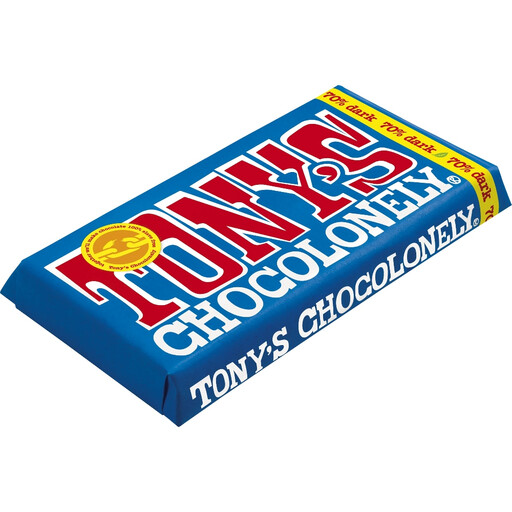
A 70% cocoa alternative to the Green & Black’s 85% bar when choosing for a different taste preference. Check the current pack’s Fairtrade mark and mass-balance wording; the Joybuy listing also notes possible milk and nut allergens.
 No image available
Consider this 85% cocoa bar for someone who already prefers high-cocoa chocolate. Check the current pack for the Fairtrade mark and its scope; the Joybuy listing warns that the bar may contain gluten, milk, nuts and peanuts.
 No image available
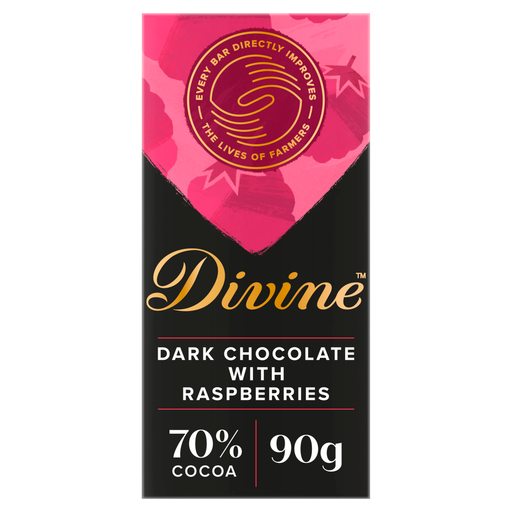
A raspberry variety for someone considering a 70% dark-chocolate treat. The Joybuy listing gives conflicting milk and vegan information, so use the current physical pack to resolve that conflict before buying for anyone with a milk allergy. Check its Fairtrade mark and any school restrictions too.
No. The Fairtrade Foundation says the classic FAIRTRADE Mark covers all ingredients that can be Fairtrade-certified, while a Fairtrade Sourced Ingredient claim names the ingredient it covers. Read the mark and wording on the individual pack rather than relying on a broader ethical, sustainable or organic description.
Choose around the person’s taste rather than assuming a higher percentage is preferable. Divine describes its 70% bar as balancing cocoa flavour with subtle sweetness, while M&S offers 75% and 85% bars for comparison. Try a small quantity before choosing a larger supply for someone who has not tasted high-cocoa chocolate.
A vegan description does not establish allergy suitability. Divine’s 70% bar is described as vegan but warns that it may contain gluten, milk and nuts; M&S also identifies allergy restrictions on its dark bars. Read the current pack and follow the school’s allergy rules before sending chocolate in.
Fairtrade describes a sourcing claim, not the chocolate’s nutritional role. NHS guidance favours fruit and vegetables for children’s snacks and advises checking nutrition labels on packaged snacks. If chocolate fits the school’s rules, consider its portion and label as part of an occasional treat choice.