
24/7 Customer Support

Free returns

Same-day & Next-day Delivery

Quality Guaranteed

Unlock Your Welcome Offers: FREE Delivery | Up to 80% OFF | Free 30-day JoyPlus trial
Download the APP
Navigating the world of chocolate can be a delightful, yet complex, journey. You want a bar that not only satisfies your craving for rich, intense flavour but also aligns with your values. With terms like 'Fairtrade', 'organic' and 'sustainable' on every wrapper, it can be challenging to know which choice is the right one.
As the Joybuy Product Recommendation Officer, my role is to help you cut through the clutter. This guide is designed to give you clear, practical advice on selecting a high-quality Fairtrade dark chocolate that you can feel good about enjoying. We'll explore what to look for and highlight a few standout options available in the UK.
Making an informed choice is easier when you know what to look for. Here are a few key points to consider before you add a bar to your basket.
The percentage on the front of a high cocoa chocolate bar refers to the total amount of ingredients, by weight, that come from the cocoa bean (cocoa mass/solids and cocoa butter).
When you're looking for ethical dark chocolate UK shoppers can trust, the labels are your guide.
A high-quality dark chocolate bar should have a simple, clean ingredients list. Look for cocoa mass (or cocoa liquor), sugar and cocoa butter. Some may include an emulsifier like sunflower or soya lecithin to create a smooth texture or natural flavourings like vanilla.
For those with dietary requirements, it's crucial to check the 'allergens' section. While many dark chocolates are naturally dairy-free, making them a great option for a vegan dark chocolate treat, some are produced in facilities that also handle milk or nuts, so always check for "may contain" warnings.
Based on their ingredient quality, ethical credentials and flavour profiles, here are three excellent options to consider.
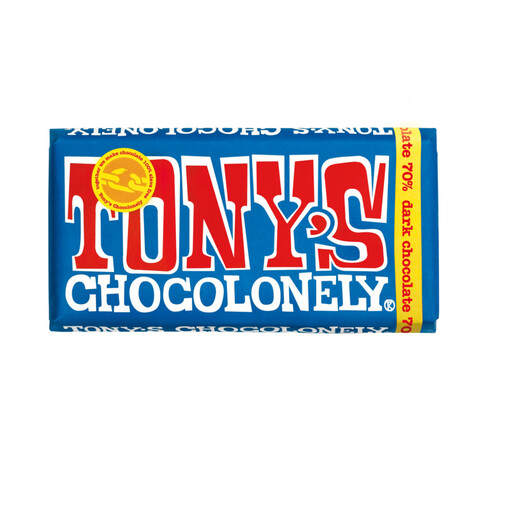
Why It Stands Out: Tony's is a brand with a clear mission: to make 100% slave-free the norm in the chocolate industry. This bar combines that powerful ethical stance with a classic, crowd-pleasing flavour profile, making it a fantastic all-rounder.
Pros:
Who is it for?: This is an ideal choice for anyone who wants a straightforward, delicious dark chocolate bar from a brand with a strong and transparent social mission.

Why It Stands Out: Green & Black's offers the dual assurance of both Fairtrade and Organic certifications. This 85% dark chocolate is for those who appreciate an intense, robust cocoa experience crafted with high-quality, ethically and environmentally conscious ingredients.
Pros:
Who is it for?: The dark chocolate connoisseur who prefers a very high cocoa content and prioritises organic ingredients alongside fair trade practices.
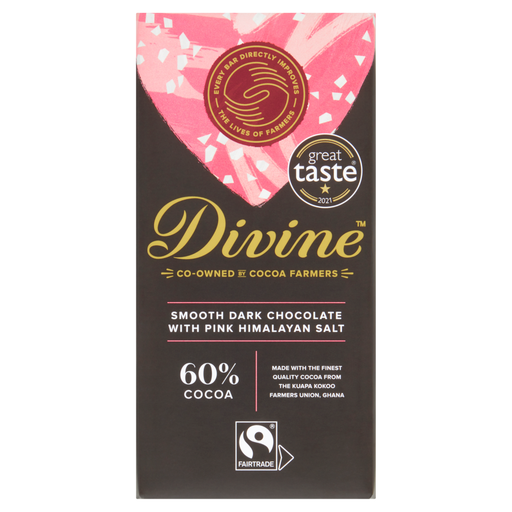
Why It Stands Out: Divine has a unique business model—it's co-owned by the cocoa farmers of Kuapa Kokoo in Ghana. This bar is a testament to that partnership, offering a sophisticated gourmet chocolate bar experience that directly benefits the growers. The addition of pink Himalayan salt elevates the rich cocoa.
Pros:
Who is it for?: The adventurous foodie looking for a refined flavour combination and a direct connection to the farming community behind the chocolate.
These recommendations are a great starting point for your ethical chocolate journey. However, the world of cocoa is vast and varied. If you're interested in exploring different textures and processing methods that preserve more of the bean's natural profile, why not browse our curated selection of raw chocolate? Discover a different side of ethical indulgence.
Is Fairtrade chocolate always vegan? Not necessarily. While many high-cocoa dark chocolates are naturally free from animal products, the Fairtrade certification itself relates to the sourcing of ingredients like cocoa and sugar, not the final recipe. Some Fairtrade milk chocolate bars obviously contain dairy and even dark chocolates can have milk as an ingredient or a cross-contamination risk. Always check the full ingredients list to be sure.
What is the difference between Fairtrade and organic chocolate? Fairtrade focuses on the social and economic aspects of production, ensuring farmers receive fair payment and better working conditions. Organic focuses on environmental standards, prohibiting the use of synthetic fertilisers and pesticides. A product can carry one certification, the other, or both. Choosing a bar with both, like the Green & Black's option, covers both ethical and environmental concerns.
Does a higher cocoa percentage mean better quality? A higher cocoa percentage simply means a more intense, less sweet chocolate. Quality is determined by many other factors, including the origin and variety of the cocoa bean, the fermentation and roasting process and the skill of the chocolate maker. A well-crafted 70% dark chocolate can be just as "high quality" as an 85% dark chocolate—it all comes down to your personal taste preference.