What should you check before choosing?
Start with the sourcing claim if Fairtrade is essential, then choose the cocoa percentage and amount to share. Check dietary information on the actual bars before serving them.
Fairtrade ingredients named by the maker
Consider when: You want cocoa, sugar and vanilla addressed in the Fairtrade claim. Divine says these ingredients are Fairtrade-certified across its bars.
Keep in mind: That is Divine’s company statement, not a comparison of the bars’ wider impacts; inspect the mark and wording on the flavour you buy.
A bar with Fairtrade-cocoa wording
Consider when: You want a named cocoa-sourcing claim and a choice of intensity. M&S describes its 75% Single Origin and 85% dark bars using Fairtrade cocoa or cocoa from Fairtrade farms.
Keep in mind: Fairtrade-cocoa wording alone does not establish the certification status of every other certifiable ingredient.
Another sourcing programme
Consider when: A brand’s broader cocoa-sourcing approach interests you and Fairtrade certification is not a requirement.
Keep in mind: Lindt’s Farming Program and the sourcing statements from Montezuma’s and Hotel Chocolat do not, on their own, establish that a particular bar bears a Fairtrade mark.
| Priority |
What to check |
Your needs |
| Fairtrade coverage |
Look at the mark and accompanying wording on the exact bar. The Fairtrade Foundation says the classic FAIRTRADE Mark covers all ingredients that can be Fairtrade-certified; check which ingredient any more specific mark names. |
I want to know whether the claim covers the bar’s certifiable ingredients or identifies cocoa specifically, rather than treating a general sourcing statement as certification. |
| Cocoa percentage |
Compare the percentages on bars you might serve together, such as 70%, 75% and 85%. A higher figure generally indicates darker chocolate, according to Hotel Chocolat; it is not a measure of Fairtrade coverage. |
For guests with different tastes, I would offer a choice of cocoa percentages instead of assuming everyone wants the darkest bar. |
| Allergen information |
Read the current ingredients list and any precautionary warning on each pack. Check the particular flavour, not just whether its recipe is described as dark or vegan. |
If someone has an allergy, I need a bar whose current label does not conflict with their requirements before I put it out to share. |
| Sharing format |
Check each bar’s weight, the number of guests and whether you want one plain flavour or a choice. The named Divine dark bar is 90 g; the amount to buy depends on how you plan to serve it. |
A small selection of flavours could give guests a choice, while one bar may be enough for a smaller group. |
Brand claims worth distinguishing
These references describe particular claims or dark-chocolate lines, not the certification or availability of every bar from each brand.
Divine
A dark-chocolate option for shoppers who want a company statement naming Fairtrade-certified ingredients.
- Divine says its bars use Fairtrade-certified cocoa, sugar and vanilla; its UK range includes a 70% dark bar.
- This is the company’s claim. Check the mark, flavour and dietary information on the bar you choose.
M&S
Named 75% and 85% dark bars provide two cocoa-percentage choices with Fairtrade-cocoa wording.
- M&S describes its 75% Single Origin bar as sourced from Fairtrade cocoa farms and its 85% bar as Fairtrade dark chocolate made with cocoa beans from Peru.
- Its product information identifies milk, nut and peanut allergy restrictions for these bars; check each current pack before sharing.
Lindt
A dark-chocolate range with differing cocoa percentages and a separately described cocoa-sourcing programme.
- Lindt describes sourcing through its Farming Program or other responsible-sourcing standards; its EXCELLENCE range includes 70% and 99% dark bars.
- That programme statement does not establish Fairtrade certification for a particular bar. Lindt says its reviewed 70% bar is unsuitable for people with a milk allergy despite its vegan recipe.
Montezuma’s
A dark-chocolate brand with its own cocoa-certification statement.
- Montezuma’s says all its cocoa is certified.
- That statement does not name Fairtrade as the certification. Inspect the individual bar if Fairtrade is your deciding condition.
Hotel Chocolat
A dark-chocolate option for shoppers comparing flavours and the brand’s own sustainability approach.
- Hotel Chocolat discusses its approach to farming and sustainability.
- A brand-level approach does not establish that a particular dark slab carries Fairtrade certification; check its pack when that matters.
Green & Black’s
A familiar dark-chocolate line to compare by the details on the individual bar.
- Its Dark 70% line offers a cocoa-percentage reference for guests considering a less intense option than 85%.
- Check the current bar’s Fairtrade mark, ingredient wording and allergen statement rather than assuming one claim applies across the line.
Dark chocolate options on Joybuy
These bars offer 70% and 85% cocoa choices for movie night, including plain and raspberry-flavoured options. Compare their Fairtrade wording and current allergen labels individually before choosing what to share.
 No image available
Green & Black’s Dark 70% Chocolate 90 g
A 90 g, 70% cocoa bar to consider when offering a plain dark-chocolate option for sharing.
The product wording names Fairtrade cocoa, sugar and vanilla but also describes mass-balance mixing; check the current pack’s mark if ingredient coverage matters to you. The listing warns that it may contain milk and nuts.
View on Joybuy
 No image available
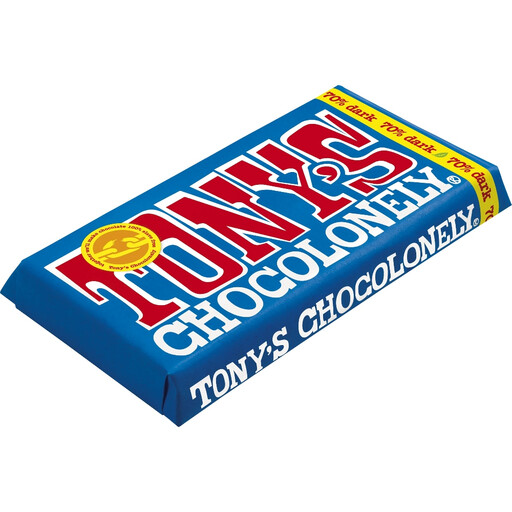
Tony’s Dark Chocolate 180 g
A 180 g bar for a group considering a larger plain dark-chocolate format; the product description specifies at least 70% cocoa.
Its description says cocoa mass, sugar and cocoa butter are traded in compliance with Fairtrade Standards and account for 99% of the product. Check the pack for the precise mark and ingredient coverage. The listing identifies soya and warns of possible traces of other allergens, including milk, nuts and peanuts.
View on Joybuy
 No image available
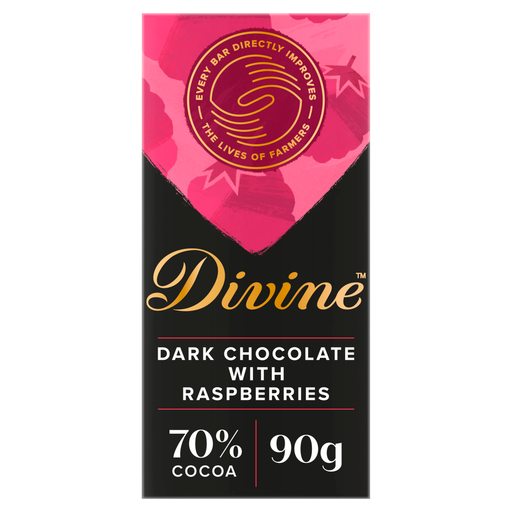
Divine 70% Dark Chocolate with Raspberries 90 g
A 90 g choice for guests who want raspberry with dark chocolate; the listing specifies 70% cocoa and 3% freeze-dried raspberry pieces.
Divine says its bars use Fairtrade-certified cocoa, sugar and vanilla; inspect this flavour’s pack for its mark. The listing contains conflicting milk and vegan-friendly wording, so check the current pack before serving it to anyone with dietary restrictions or allergies.
View on Joybuy
 No image available
Green & Black’s Dark 85% Chocolate 90 g
A 90 g bar to consider as the higher-cocoa option alongside a 70% bar when guests want a choice.
The product wording names Fairtrade cocoa, sugar and vanilla but also describes mass-balance mixing; inspect the current pack’s mark for the claim’s scope. The listing says it may contain almonds, hazelnuts and milk.
View on Joybuy
Frequently asked questions
Does a Fairtrade mark cover every ingredient in dark chocolate?
Not necessarily. The Fairtrade Foundation says the classic FAIRTRADE Mark means all ingredients that can be Fairtrade-certified are Fairtrade-certified. If a mark or accompanying claim names an ingredient such as cocoa, read its wording rather than assuming it covers every certifiable ingredient in the bar.
Which dark chocolate should I consider if Fairtrade ingredients are my priority?
Divine is a route to examine because the company says its bars use Fairtrade-certified cocoa, sugar and vanilla, and it offers 70% dark chocolate. Check the current mark and ingredient information on the particular plain or flavoured bar you intend to buy; the company statement is not an independent impact comparison.
Is vegan dark chocolate suitable for someone with a milk allergy?
Do not assume so. Lindt says its EXCELLENCE Dark 70% bar is made to a vegan recipe but is not suitable for people with a milk allergy. Read the current ingredients and precautionary warnings for the exact product before serving it to a guest with an allergy.
Should I choose 70%, 75% or 85% cocoa for guests?
Choose according to your guests’ preferences, not the Fairtrade claim: cocoa percentage does not establish certification. Hotel Chocolat says a higher percentage generally indicates darker chocolate, so a 70% bar alongside a 75% or 85% option gives guests a choice if they enjoy different intensities.
Can I use a product page to check allergens before movie night?
Use it to plan, then check the physical pack you will serve. This matters particularly when choosing between flavours or when a listing’s dietary descriptions conflict; read both the ingredients and any precautionary warning against each guest’s requirements.


