Relevant brand references
These examples distinguish specific Fairtrade chocolate and ingredient claims from the status of a separate fudge product.
Waitrose
A place to consider Fairtrade-labelled drinks, sugar or chocolate for the coffee-morning table.
- Waitrose says that since 2020 its own-label tea, coffee and sugar, and the cocoa used in its confectionery, have been 100% Fairtrade. It also lists a No.1 Fairtrade Dark Chocolate with Italian Gianduja.
- Those statements do not establish that a separate Waitrose fudge product is Fairtrade; check its own pack.
M&S
An option for serving a specifically labelled chocolate item alongside fudge.
- M&S says its Choc Marks range uses Fairtrade cocoa and describes its Collection 85% Dark Chocolate as a Fairtrade bar.
- These are claims about the specified chocolate, not every M&S sweet or fudge. Read the current product label.
Tesco
A ready-made fudge option when you do not need to make a Fairtrade claim about the fudge.
- Tesco Groceries lists Salted Caramel Fudge, All Butter Fudge and Dairy Fudge in its toffee-and-fudge range.
- Check the specific pack before describing any of these products as Fairtrade.
Joybuy sugar options
These are sugar options for hosts considering homemade fudge or coffee sweetening, not ready-made fudge. Check each current pack’s Fairtrade wording before describing an ingredient as Fairtrade, and do not apply an ingredient claim to the finished fudge.
 No image available
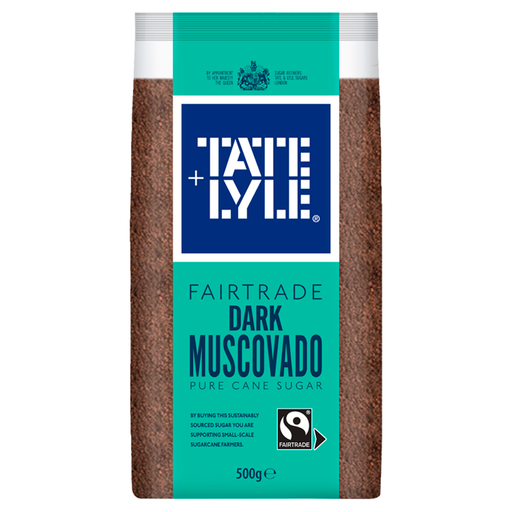
Tate & Lyle Fairtrade Dark Muscovado Sugar 500g
A sugar option if you are preparing the coffee-morning food yourself, rather than buying finished fudge. The listing describes a soft, treacly dark muscovado sugar in a 500g pack. Check the current Fairtrade wording and ingredient information before serving.
 No image available
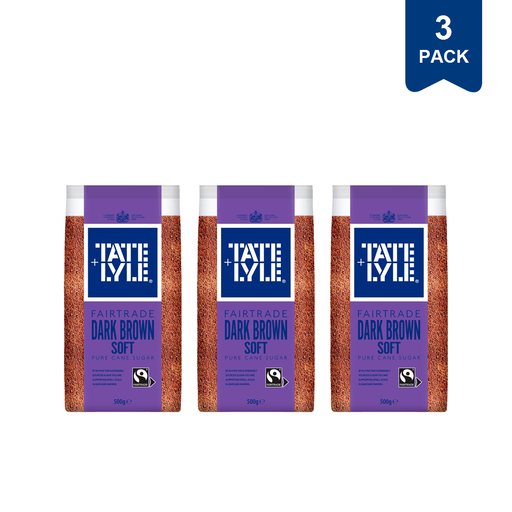
Tate & Lyle Fairtrade Dark Soft Brown Sugar 500g (3 packs)
For hosts preparing food rather than serving ready-made fudge. The title identifies three 500g packs of dark soft brown sugar, but the listing also gives 500g as the net content; confirm the total quantity before ordering. Check the current Fairtrade and ingredient wording on the packs.
 No image available
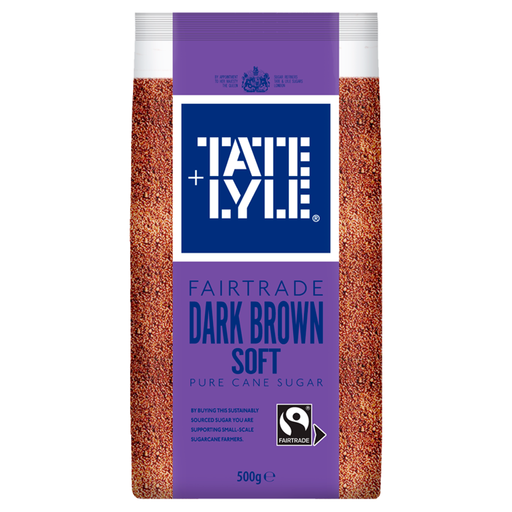
Tate & Lyle Fairtrade Dark Soft Brown Sugar 500g
A 500g dark soft brown sugar option for host-prepared food, not a finished fudge. Check the pack’s specific Fairtrade wording and ingredient information before using it for a Fairtrade or dietary description.
 No image available
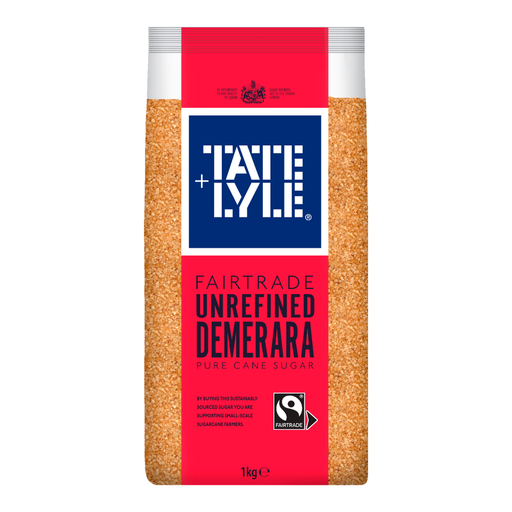
Tate & Lyle Fairtrade Demerara Sugar 1kg
A 1kg demerara sugar option for coffee or recipes where its stated crunchy texture is wanted; check your fudge recipe before choosing it for that use. The listing notes packing in a factory that also handles peanuts and nuts. Read the current Fairtrade and allergen wording on the pack before serving.
 No image available
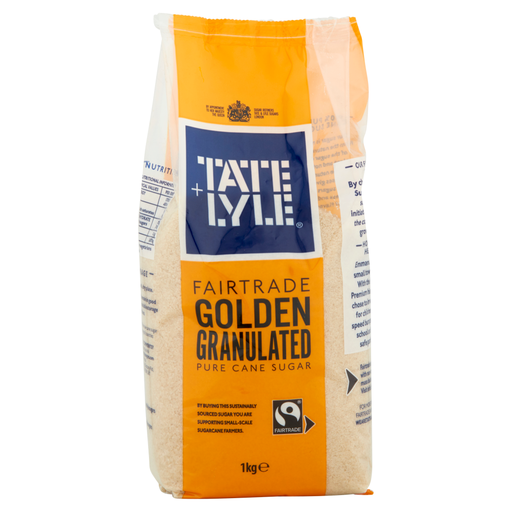
Tate & Lyle Fairtrade Golden Granulated Sugar 1kg
A 1kg golden granulated sugar option for sweetening coffee or preparing food. It is not ready-made fudge, and a particular fudge recipe is not specified. Check the current pack’s Fairtrade and ingredient wording before making claims about what you serve.
Questions about Fairtrade fudge
Is chocolate fudge automatically Fairtrade?
No. Check the claim for the exact fudge product rather than assuming its chocolate qualifies it. The Fairtrade Foundation says the classic FAIRTRADE Mark covers all ingredients that can be Fairtrade-certified, while the Fairtrade Sourced Ingredient mark identifies a particular Fairtrade-sourced ingredient.
Can I call homemade fudge ‘Fairtrade fudge’ if I use Fairtrade sugar?
Describe it as fudge made with Fairtrade sugar if that is what the ingredient’s current label supports. Using a Fairtrade ingredient does not itself certify the finished fudge.
What should I do if I choose ordinary ready-made fudge?
Serve it without a Fairtrade claim and, if you wish, identify separately labelled Fairtrade coffee or chocolate alongside it. Waitrose, for example, states a Fairtrade commitment for its own-label coffee and lists a specifically named Fairtrade chocolate product; check the items you actually buy.
Does vegan labelling settle allergy questions for guests?
No. Check the current ingredients, highlighted allergens and any ‘may contain’ statement for each item, including vegan-labelled products. Macmillan Cancer Support advises checking ingredients when serving guests with allergies or intolerances.


