What should you check before choosing?
Decide whether the requirement is for certified finished fudge, named Fairtrade ingredients or a Fairtrade-marked treat that need not be fudge. Then check the serving format, current labels and event setting.
| Priority |
What to check |
Your needs |
| Fairtrade claim |
Read the mark and claim on the finished pack. The Fairtrade Foundation says the FAIRTRADE Mark covers ingredients that can be Fairtrade-certified, while the Fairtrade Sourced Ingredient mark identifies a particular ingredient; check any mass-balance wording too. |
I need to know whether the claim applies to the sweet I am serving or only to one of its ingredients. |
| Fudge or chocolate |
Check a ready-made fudge pack for its own claim. If chocolate will do instead, check the mark on that chocolate rather than treating a retailer’s separate Fairtrade chocolate range as evidence for its fudge. |
Fudge matters to the party, but I could serve chocolate if its Fairtrade claim better meets the brief. |
| Preparation and portions |
For homemade fudge, check the recipe’s ingredients, chilling step and portioning instructions. Channel Islands Coop’s chocolate-fudge recipe uses Fairtrade milk chocolate and Fairtrade dark muscovado sugar and calls for chilling before cutting. |
I can make and portion a sharing batch, or I would rather serve a ready-to-eat treat without that preparation. |
| Allergens |
Read the current pack for every product and ingredient used, including warnings about possible allergens. Keep the information available when serving loose pieces. |
Guests need to be able to check what is in a shared bowl or homemade portion. |
| School event |
Establish who is providing the food and ask the school’s catering lead what applies to the event. England’s school-food requirements are distinct from the retail promotion and placement rules described in Department of Health & Social Care HFSS guidance. |
If the party is a school event in England, I need a catering decision for that setting rather than assuming private-party practice applies. |
Joybuy chocolate alternatives
These bars are ready-to-serve chocolate alternatives for a Halloween party, not finished fudge. If the party requires a particular Fairtrade claim, check the mark and wording on each current pack before presenting it to guests.
 No image available
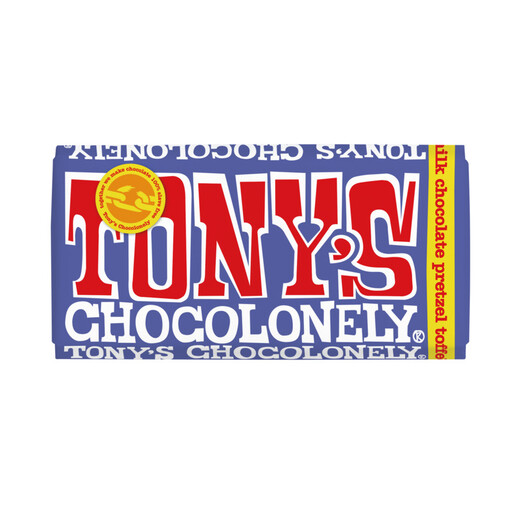
Tony’s Chocolonely Milk Chocolate, Pretzel & Toffee 180g
A chocolate bar for serving instead of finished fudge, with pretzel and toffee named in this variant. Check the pack’s precise Fairtrade claim and current allergen declaration before sharing.
View on Joybuy
 No image available
Tony’s Chocolonely Fairtrade Milk Chocolate Caramel Sea Salt 180g
This caramel and sea salt chocolate bar is an alternative when ready-made fudge is not essential. Confirm the current pack’s Fairtrade mark and claim scope, and read its allergen declaration before serving.
View on Joybuy
 No image available
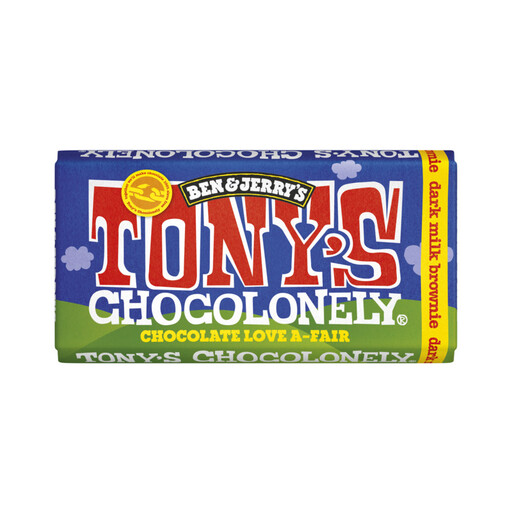
Tony’s Chocolonely Ben & Jerry’s Dark Milk Chocolate Fudge Brownie 180 g
This is a fudge brownie chocolate bar, not pieces of finished fudge. A Fairtrade cocoa claim alone does not establish the mark or claim scope for the completed bar; check the current pack and its allergen declaration.
View on Joybuy
Frequently asked questions
Does Fairtrade chocolate fudge mean every ingredient is Fairtrade?
Not necessarily. The Fairtrade Foundation says the FAIRTRADE Mark indicates that ingredients capable of Fairtrade certification are certified, whereas the Fairtrade Sourced Ingredient mark identifies a particular sourced ingredient. Read the finished pack’s exact claim and any mass-balance wording rather than assuming every ingredient has the same status.
Can I call homemade fudge certified if I use Fairtrade chocolate and sugar?
Using certified ingredients does not itself certify the completed homemade fudge. Channel Islands Coop’s chocolate-fudge recipe uses Fairtrade milk chocolate and Fairtrade dark muscovado sugar alongside other ingredients; “made with Fairtrade chocolate and sugar” describes that choice more precisely.
What should I check before putting chocolate or fudge in a shared bowl?
Check the current ingredient and allergen declaration for every item and keep that information available to guests. Fairtrade status is not an allergy declaration; for example, Waitrose’s Fairtrade dark chocolate with gianduja lists hazelnut and soya and warns about possible milk, peanuts and other nuts.
Can fudge be supplied at a school Halloween event in England?
Ask the school’s catering lead to assess the event before planning to supply it. The Department for Education says the School Food Regulations 2014 are mandatory for maintained schools, academies and free schools in England, and the regulations’ definition of confectionery includes non-chocolate confectionery and chocolate-containing products. The event’s setting and catering arrangements matter to that decision.
Are England’s HFSS retail rules the same as school-food rules?
No. Department of Health & Social Care guidance describes England restrictions on specified promotions and placement of certain foods and drinks classified as high in fat, salt or sugar by businesses; it does not determine what a school may provide at an event. Check the school’s applicable catering requirements separately, and do not assume every fudge product has the same HFSS classification.


