Who these choices suit
The deciding point is whether Fairtrade sourcing, a fudge texture or a particular pack format matters most for your lunch break.
Shoppers who put the Fairtrade claim first
If the sourcing claim is a condition of purchase, check the exact product rather than relying on words such as chocolate or responsibly sourced. A Fairtrade-labelled chocolate snack is an alternative if the fudge you are considering does not make the claim clear.
Commuters looking for a compact fudge treat
M&S lists a 36 g chocolate bar with a vanilla fudge centre, while Thorntons lists an 85 g Vanilla Fudge Bag. The bar gives you a smaller prepacked format; with the bag, decide how much you intend to take or eat.
Shoppers looking for vegan fudge
M&S describes its Plant Kitchen Salted Caramel Fudge as vegan and lists a 300 g pack. Check the current label for your dietary requirements and plan a portion if you want to take it on the go; vegan wording does not establish Fairtrade status.
What to check before buying
Start with the claim that matters to you, then compare the exact pack size and label information for the amount you expect to eat.
| Priority |
What to check |
Your needs |
| Fairtrade claim |
Look for the Fairtrade Mark or an exact-product statement naming Fairtrade ingredients. The Fairtrade Foundation says its Sourced Ingredient Mark identifies the particular Fairtrade-sourced ingredient. |
I want to know what the Fairtrade claim covers before choosing between fudge and chocolate. Chocolate coating or a general responsible-cocoa statement does not answer that question. |
| Pack format |
Compare the stated pack sizes and whether the item is a bar or a larger bag. M&S lists a 36 g chocolate-and-fudge bar and a 300 g vegan fudge pack; Thorntons lists an 85 g fudge bag. |
For a short lunch break, I would rather choose the amount I am taking in advance than assume a whole bag or larger pack is one portion. |
| Nutrition panel |
Check sugars per 100 g and per serving on the current pack, alongside the serving size used for that figure. Total sugars on a label are not the same measure as free sugars in NHS guidance. |
I am choosing a sweet treat, not judging it by the pack weight alone; the amount I plan to eat matters when I compare labels. |
| Ingredients and allergens |
Read the current ingredients list and emphasised allergens on the pack. Check any vegan designation against the exact product rather than another item in the range. |
If an ingredient or allergen affects what I can eat, I need the label on the item in hand, not an older product-page description. |
Relevant brand references
These examples show why the exact product and its claim matter more than a brand name alone.
Divine Chocolate
A chocolate alternative for someone willing to switch away from fudge to prioritise Fairtrade sourcing.
- Divine says its 35 g milk chocolate bar uses every ingredient it can buy on Fairtrade terms.
- The manufacturer’s listed format is a case of 30 bars, not a single-bar listing, and the product is chocolate rather than fudge.
Thorntons
Its 85 g Vanilla Fudge Bag is a traditional-fudge format to consider when a bag suits your lunch plans.
- Thorntons describes the bag as suitable for sharing.
- Choose it for a strict Fairtrade requirement only if the exact pack establishes that claim; the product type and bag size do not.
M&S Food
Its listed formats include a 36 g milk-chocolate bar with a vanilla fudge centre and a 300 g Plant Kitchen Salted Caramel Fudge pack described as vegan.
- The bar offers a smaller prepacked chocolate-and-fudge format; the Plant Kitchen product offers a vegan-labelled fudge option.
- The larger vegan pack calls for a separate portion decision, and neither format establishes a Fairtrade claim without checking the exact product.
Waitrose
A retailer to check for Fairtrade-labelled confectionery, while keeping any claim tied to the product you buy.
- Waitrose says the cocoa used in its own-label confectionery has been 100% Fairtrade since 2020.
- That retailer statement does not establish that every particular fudge product carries a Fairtrade certification claim; inspect its pack.
A chocolate alternative on Joybuy
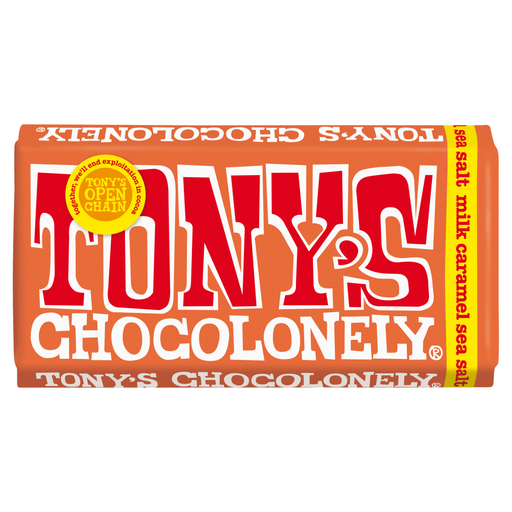
This chocolate bar is an option for someone open to switching from fudge. Its 180 g pack calls for a portion decision if you intend to take it to lunch.
 No image available
Tony's Chocolonely Fairtrade Milk Chocolate Caramel Sea Salt 180 g
Consider this milk chocolate bar with caramel and sea salt if Fairtrade-labelled chocolate, rather than fudge, suits your lunch plans. The listed pack is 180 g; check the current pack for the Fairtrade wording, the ingredients it covers and the allergen information, then decide what portion to take.
View on Joybuy
Questions about fudge and Fairtrade
Does chocolate fudge automatically count as Fairtrade?
No. Chocolate or cocoa in a fudge product does not itself establish a Fairtrade claim for that product. Check its exact pack: the Fairtrade Foundation says its Sourced Ingredient Mark identifies the named ingredient that is Fairtrade-sourced.
Is responsibly sourced cocoa the same claim as Fairtrade?
No. A responsible-sourcing description should not be read as a Fairtrade Mark or a product-specific statement naming Fairtrade ingredients. If Fairtrade sourcing is essential, check precisely what the claim on the item covers.
What should I check if I have a food allergy?
Read the ingredients and emphasised allergens on the current physical pack before eating. GOV.UK explains how allergens are declared on prepacked food, and recipes or online product details can change.
Can I choose vegan fudge and still meet a Fairtrade requirement?
Only if the exact vegan fudge product also makes the Fairtrade claim you require. M&S describes its 300 g Plant Kitchen Salted Caramel Fudge as vegan, but vegan wording does not establish Fairtrade sourcing; check the pack for each requirement separately.
Is a fudge pack the right size for a lunch break?
Check the pack size and decide how much you intend to take or eat. For example, M&S lists a 36 g chocolate-and-fudge bar, whereas Thorntons lists an 85 g fudge bag and M&S lists a 300 g vegan fudge pack; a larger pack need not be treated as one portion.


