If Fairtrade certification matters most, check the exact herbal tea for the FAIRTRADE Mark or explicit Fairtrade wording rather than relying on a brand’s organic or ethical positioning. Clipper lists Fairtrade Organic Peppermint and Chamomile infusions; Pukka says its teas carry Fair for Life certification, which is a different label. Choose the flavour you want, then check the ingredients and any caffeine statement on that blend.
Who is this choice for?
The useful starting point is whether you require the FAIRTRADE Mark, want a caffeine-free evening drink, or need to check particular herbal ingredients.
Fairtrade-first shoppers
If the certification is essential, look for it on the particular infusion you intend to buy. Clipper’s UK shop explicitly names its Fairtrade Organic Peppermint and Chamomile infusions; an organic claim on another tea is not a substitute.
Evening infusion drinkers
Clipper describes those peppermint and chamomile infusions as naturally caffeine-free. If you are considering a different winter blend, check its ingredients and caffeine statement rather than assuming every herbal-range product is the same.
Shoppers checking herbal ingredients
Read the full ingredient list if you are pregnant or breastfeeding, take medicines, or have a relevant health condition. NHS pregnancy guidance specifically advises avoiding herbal teas containing liquorice root.
What should you check?
Decide which certification you require before choosing a flavour; then check the exact blend for caffeine and ingredients that matter to you.
| Priority |
What to check |
Your needs |
| Fairtrade certification |
Look for the FAIRTRADE Mark or explicit Fairtrade wording on the exact product. Fairtrade International explains that label and ingredient arrangements can differ, so read the accompanying wording when the certification model matters to you. |
I want the herbal infusion itself to carry a Fairtrade claim, not just an organic label or a general statement about the brand. |
| Other fair-trade labels |
Identify the named certification rather than treating labels as interchangeable. Pukka says its teas are Fair for Life certified; that statement does not establish a FAIRTRADE Mark on every tea. |
I may consider a different fair-trade certification, but I want to know which one applies before choosing a blend. |
| Flavour and caffeine |
Check the named herbs, whether the blend contains black or green tea, and its caffeine statement. Clipper describes its Fairtrade Organic Peppermint and Chamomile infusions as naturally caffeine-free. |
For a winter drink, I might prefer mint, chamomile, ginger or a spiced flavour. If I am avoiding caffeine, the exact blend matters more than its seasonal description. |
| Ingredient suitability |
Read the full ingredients, particularly for liquorice root. NHS pregnancy guidance advises avoiding herbal teas containing liquorice root; seek advice from a pharmacist, GP or midwife if pregnancy, medicines or a health condition makes an ingredient a concern. |
I need to check what is actually in the cup rather than assuming that every herbal blend suits my circumstances. |
What is easy to overlook?
-
Assuming organic means Fairtrade
Pukka says its teas are Fair for Life certified, while Clipper explicitly names particular peppermint and chamomile products as Fairtrade Organic. The labels describe different credentials.
If you specifically require Fairtrade, check the exact box or product listing for the FAIRTRADE Mark or explicit Fairtrade wording.
-
Judging caffeine by a winter flavour name
A flavour description does not tell you whether a blend contains tea or carries a caffeine-free statement. Clipper’s named peppermint and chamomile infusions are described as naturally caffeine-free, but that description cannot be applied to every blend.
Read the ingredient list and caffeine wording on the product you choose.
-
Overlooking liquorice and other herbs
Herbal ingredients can matter when you are pregnant, breastfeeding, taking medicines or managing a health condition. NHS pregnancy guidance advises avoiding teas containing liquorice root.
Check the complete ingredients before buying and ask a pharmacist, GP or midwife for advice where your circumstances call for it.
Brand references
Brand ranges can help narrow down flavours, but certification needs checking on the individual tea. The references below do not imply that every product from a brand has the same label.
Clipper
Clipper’s UK shop lists Fairtrade Organic Peppermint Infusion and Fairtrade Organic Chamomile Infusion, each described as naturally caffeine-free.
- Named herbal products offer a product-specific Fairtrade claim and a choice between mint and chamomile.
- Check other Clipper infusions individually; their place in the same range does not establish Fairtrade certification.
Pukka
Pukka says its teas are Fair for Life certified and its products are organic certified.
- An option for shoppers considering Fair for Life as a named certification.
- Fair for Life should not be presented as the FAIRTRADE Mark; check the exact tea if Fairtrade is your requirement.
Twinings
Twinings has an Organic & Fairtrade collection and a separate herbal-infusion range.
- The ranges provide a starting point for comparing product labels and herbal flavours.
- A collection name does not establish that a particular winter herbal infusion is Fairtrade-certified.
Teapigs
Teapigs lists herbal flavours including spiced winter red tea, lemon and ginger, rooibos, peppermint and chamomile.
- The named blends give flavour-led shoppers several styles to compare.
- Check the individual blend for certification; its flavour or place in a herbal range does not establish a Fairtrade claim.
Tesco
Tesco’s grocery listings include herbal teas such as own-label lemon and ginger and peppermint products alongside other brands.
- Product listings allow a comparison of named blends and their pack information.
- Check certification on the exact tea; a herbal-tea category listing does not establish that an own-label product is Fairtrade.
Joybuy product option
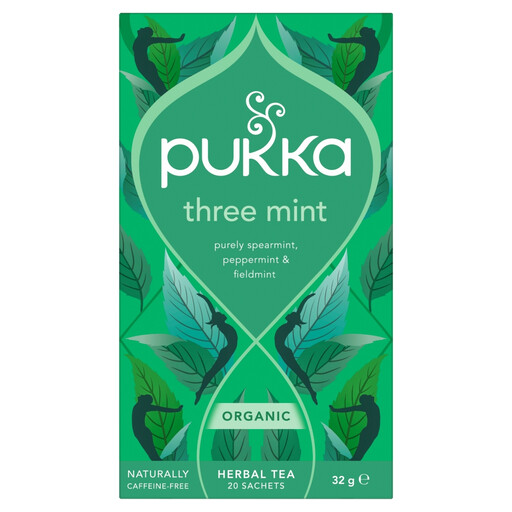
The Joybuy option here is a Pukka mint herbal tea for shoppers considering a different named fair-trade certification. Pukka’s Fair for Life claim is not a substitute for checking the exact pack if you require the FAIRTRADE Mark.
 No image available
Pukka Organic Three Mint Herbal Tea, 20 sachets, 32g
For a mint-flavoured winter infusion, the product title identifies a Three Mint tea in 20 sachets, while its English description calls it naturally caffeine-free. Other product wording refers to Three Ginger, so check the pack name and full ingredients before ordering. Pukka describes its teas as Fair for Life certified; check this pack separately if you specifically need a Fairtrade claim.
View on Joybuy
Frequently asked questions
How can I check whether a herbal tea is Fairtrade-certified?
Look for the FAIRTRADE Mark or explicit Fairtrade wording on the exact box or product listing. Fairtrade International explains that the way products and ingredients carry Fairtrade labels can differ, so read the label details if the certification model matters to you. Organic or ethical wording alone does not establish Fairtrade certification.
Is Fair for Life the same label as Fairtrade?
No. Pukka says its teas are Fair for Life certified, whereas Clipper explicitly names particular peppermint and chamomile infusions as Fairtrade Organic. Choose according to the certification you require and check the individual pack.
Does a Fairtrade label always mean the ingredients were kept physically separate?
Not in every Fairtrade labelling arrangement. The Fairtrade Foundation explains that, under its mass-balance model, certified and non-certified commodities may mix while companies buy the corresponding amounts of the relevant Fairtrade ingredients. Check the label format and product information if physical separation is important to you.
Can I choose any herbal tea during pregnancy?
Do not assume every blend is suitable. NHS pregnancy guidance advises avoiding teas containing liquorice root and drinking no more than four cups of herbal tea a day, noting limited research on their effects in pregnancy. Read the ingredients and ask your midwife or another healthcare professional about your circumstances.


