What should you check before buying?
Start with the claim you need, then decide whether the eating format and frozen-storage instructions work for your lunch break.
A cone with a Fairtrade claim
Choose when: You want a cone and can confirm a relevant Fairtrade claim on that pack.
Trade-off: A claim about one named Fairtrade ingredient is different from a product Mark covering eligible ingredients.
A cone with another sourcing claim
Choose when: You prefer the cone format and Fairtrade certification is not essential to your decision.
Trade-off: Cocoa Life wording, a partnership statement or Rainforest Alliance certification does not establish a FAIRTRADE Mark on that cone.
Fairtrade ice cream in another format
Choose when: A confirmed Fairtrade claim matters more to you than eating from a cone.
Trade-off: A tub needs a different serving plan for a short break; check the specific pack’s claim, storage instructions and allergens.
| Priority | What to check | Your needs |
|---|
| Fairtrade claim |
Find the mark on the individual pack and read which ingredients it covers. Fairtrade International describes its product Mark for multi-ingredient foods; the Fairtrade Foundation says its Sourced Ingredient Mark names the Fairtrade-sourced ingredient. |
If cocoa is my requirement, I need a claim that identifies cocoa, not just a general statement about the brand. |
| Lunch format |
Check whether you are buying a cone or a tub and whether you can eat or serve it during your break. Read the pack size if you are choosing between one serving and a multipack. |
I may prefer a cone I can eat straight away; if Fairtrade takes priority, I can consider another format when I have a way to serve it. |
| Frozen storage |
Follow the product’s storage instructions and consider the time between purchase and eating. The Food Standards Agency identifies storage and handling instructions as relevant information for frozen food. |
A frozen treat needs to fit my journey from the shop to lunch, rather than sitting in my bag until later. |
| Ingredients and allergens |
Read the current ingredients, declared allergens and any precautionary statement for the exact flavour. Check a vegan or gluten-free designation against the rest of the label where relevant. |
Before changing flavour or format, I need to check whether that particular pack fits my dietary requirements. |
| Exact product |
Match any sourcing claim to the specific cone or ice cream you intend to buy. A retailer’s Fairtrade category or a brand statement about other products does not establish the claim on this one. |
I want to make the decision from the product in front of me, rather than assuming every item in a range has the same certification. |
Brand and retailer references
These examples help distinguish a cone listing from a product-specific Fairtrade claim; mentioning a brand does not establish certification for its whole range.
Cornetto
Tesco and Sainsbury’s list Cornetto cone variants, including Classico. Tesco also lists a non-dairy, vegan and gluten-free vanilla cone.
- Several cone variants offer a way to keep the handheld format.
- Confirm any Fairtrade claim on the particular pack; the cited retailer listings do not establish one for these cones.
Cadbury
Tesco describes Cadbury Flake 99 as a biscuit cone with vanilla-flavour ice cream, a Flake bar and chocolate curls.
- The product listing identifies the cone format and chocolate components.
- Its Cocoa Life and Fairtrade Foundation partnership wording does not itself establish a FAIRTRADE Mark or named Fairtrade Sourced Ingredient claim for the cone.
Magnum
Magnum is a different frozen format to a cone: Sainsbury’s lists Magnum Classic as ice cream sticks.
- Magnum’s UK FAQ says the cocoa in its ice creams comes from Rainforest Alliance Certified farms.
- That Rainforest Alliance statement does not establish a Fairtrade claim for an individual stick or a cone.
Tesco
Tesco lists own-label strawberry and vanilla, salted caramel, chocolate and nut, and mint and chocolate cone variants.
- The listed flavours give cone shoppers several ingredient lists to compare.
- An own-label listing does not establish Fairtrade certification; check the exact pack.
Sainsbury’s
Sainsbury’s lists own-label cones and separately lists Ben & Jerry’s tubs in its Fairtrade range.
- The separate listings allow shoppers to consider cones and non-cone ice cream.
- A tub’s place in a Fairtrade range does not establish a Fairtrade claim for an own-label cone.
Joybuy ice cream options
These Ben & Jerry’s tubs are non-cone options for shoppers willing to change format. For a Fairtrade-led purchase, confirm the claim on the current pack of the product you choose.
 No image available
Ben & Jerry’s Caramel Chew-Chew Ice Cream, 465 ml
This is a tub rather than a handheld cone, so consider how you will keep it frozen and serve it during lunch. Ben & Jerry’s says it sources core ingredients including cocoa, sugar and vanilla on Fairtrade terms; check this product’s current pack for the claim that matters to you, as well as its ingredients, allergens and storage instructions.
View on Joybuy
 No image available
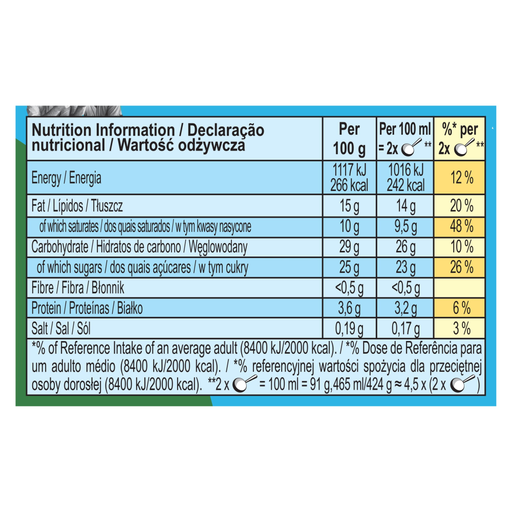
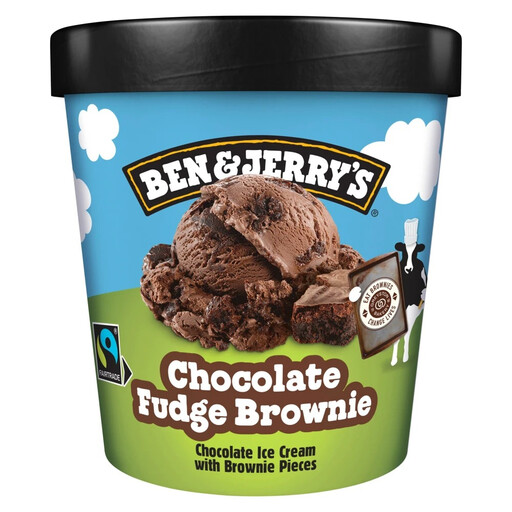
Ben & Jerry’s Chocolate Fudge Brownie Ice Cream, 465 ml
This 465 ml tub changes the lunchtime plan if you had wanted a cone to eat straight away. Ben & Jerry’s describes Fairtrade sourcing for core ingredients including cocoa, sugar and vanilla; read this product’s current pack to establish its exact claim and to check ingredients, allergens and frozen-storage directions.
View on Joybuy
Questions about Fairtrade and lunchtime ice cream
Does sustainably sourced cocoa mean a cone is Fairtrade-certified?
No. A cocoa-sourcing statement does not establish a Fairtrade claim on the cone. Fairtrade International describes its product Mark, while the Fairtrade Foundation says its Sourced Ingredient Mark names the relevant ingredient; check the actual pack for the claim you require.
Is a Fairtrade Foundation partnership statement enough for a cone?
Not on its own. Tesco’s Cadbury Flake 99 listing includes Cocoa Life and Fairtrade Foundation partnership wording, but that wording does not identify a FAIRTRADE Mark or a named Fairtrade Sourced Ingredient claim for the cone. Check the pack before treating it as a Fairtrade choice.
What if Fairtrade matters more to me than having a cone?
Consider another ice cream format with a claim you can confirm on its pack. Ben & Jerry’s says it sources five core ingredients on Fairtrade terms, and its UK Vanilla product page specifies Fairtrade sugar and vanilla. Check the exact product you intend to buy, then decide whether its format works for lunch.
How should I plan to carry ice cream at lunchtime?
Follow the pack’s frozen-storage instructions and plan the time between purchase and eating. If you cannot keep a tub frozen or serve it during your break, a product you can eat soon after purchase may be more practical, provided it also meets your requirements.
Should I check allergens if I have bought a similar cone before?
Yes. Read the current ingredients, allergen information and any precautionary statement on the exact flavour and pack size. The Food Standards Agency notes that nuts can occur in ice cream; a previous purchase does not establish the ingredients of a different product.


