Households seeking Fairtrade sweets
If certification matters, look for a mark on the particular pack. The Fairtrade Foundation distinguishes its full Fairtrade Mark from a Fairtrade Sourced Ingredient Mark, so read which claim the pack makes.


For Fairtrade jelly sweets, check the mark on the exact pack rather than treating a vegan label or familiar brand as certification. For school-holiday snacks, also check ingredients, portion information and age warnings; if the food will be supplied by a state-funded school in England, check the school-food requirements that apply to that setting.
If certification matters, look for a mark on the particular pack. The Fairtrade Foundation distinguishes its full Fairtrade Mark from a Fairtrade Sourced Ingredient Mark, so read which claim the pack makes.
Dietary suitability varies between products. Nestlé Confectionery UK describes several Rowntree's lines as vegan-friendly, while Marks & Spencer lists beef gelatine in its Jelly Babies. Check the exact sweet and variant.
The Department for Education's school-food guidance concerns food and drink provided in state-funded schools in England. Anyone arranging a school-supplied snack needs to check the requirements for that provision, rather than applying home-snack assumptions.
Start with the requirement that would rule out a pack, then compare dietary labels, portions and the setting in which the sweets will be served.
| Priority | What to check | Your needs |
|---|---|---|
| Fairtrade status | Find the mark on the exact pack. The Fairtrade Foundation says its full Mark means ingredients that can be Fairtrade-certified are certified; read any ingredient-specific mark separately. | If Fairtrade is essential to my choice, a vegan claim or a retailer's reputation will not answer that question. |
| Dietary suitability | Read the current ingredients and dietary label for the exact variant. Marks & Spencer labels its Jelly Beans vegan-friendly but lists beef gelatine in its Jelly Babies. | Someone eating these sweets avoids animal gelatine, so I need to check the particular pack rather than the brand alone. |
| Portion and age information | Compare sugars per 100g and per stated serving, noting the serving size. Read any age warning before giving sweets to a young child. | For a sharing pack, I want to decide how much to serve rather than treat the whole bag as one portion. Age guidance matters if a younger child will have some. |
| Where food is supplied | For food provided in a state-funded school in England, check the applicable school-food requirements. The Requirements for School Food Regulations 2014 define confectionery to include non-chocolate confectionery, whether or not it contains sugar. | I am buying either for home during the holidays or for a school-supplied activity; those settings call for different checks. |
The claims answer different questions. The Fairtrade Foundation explains what its full Mark covers; an ingredient-specific mark needs to be read for the ingredient it names.
Inspect the exact pack for the Fairtrade mark and its wording if certification is a condition of purchase.
Marks & Spencer labels its Jelly Beans vegan-friendly, whereas its Jelly Babies list beef gelatine. One product's label does not establish another's suitability.
Check the current ingredient list and dietary label for each variant you intend to serve.
Tesco Groceries lists 12.7g sugars per 25g serving for its 500g Jelly Shapes pack. The serving figure and total pack size describe different amounts of food.
Check the stated serving size and the per-100g nutrition when comparing packs, then decide what portion to serve.
Department for Education guidance covers food and drink provided in state-funded schools in England. The 2014 regulations' definition of confectionery includes non-chocolate sweets.
For school-supplied food, check the rules and provider requirements that apply when it will be served. For a privately bought home snack, check the product itself and the household's needs.
These examples show why ingredients and dietary labels need checking product by product; a brand's inclusion does not establish Fairtrade certification.
An option to examine when looking for vegan-friendly fruit sweets in familiar formats.
Its Jelly Beans and Jelly Babies illustrate different dietary labels within one retailer's sweets range.
Its Jelly Shapes listing offers a stated serving size for assessing a larger sharing pack.
HARIBO UK describes its Jelly Babies as mixed fruit-flavour jelly sweets.
These fruit pastilles, gummies and chewy sweets offer different pack formats for home holiday snacks. Check each exact pack for a Fairtrade mark, dietary information and age guidance where those details matter to your choice.
 No image available
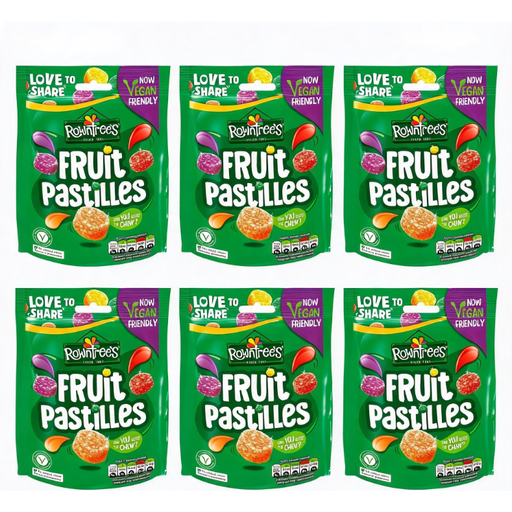
The six-bag format allows separate bags to be opened for different snack occasions. Nestlé Confectionery UK describes Fruit Pastilles as vegan-friendly; check the exact pack for its Fairtrade mark and current age guidance before serving to young children.
 No image available
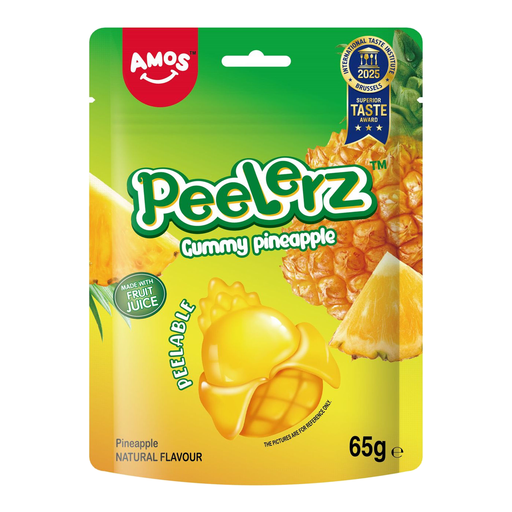
This smaller bag is an option to examine for a pineapple-flavoured gummy snack. It is not suitable for someone avoiding pork gelatine; check the pack's age warning and Fairtrade marking before serving or buying for a certification requirement.
 No image available
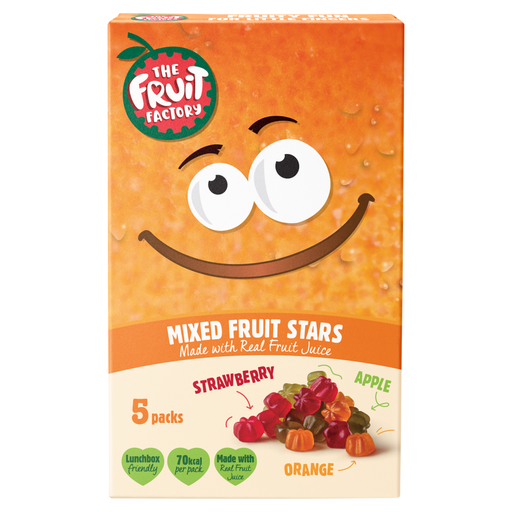
The separate packs may suit occasions when sweets will be handed out individually. If vegan suitability or sugars per individual pack matter, check the exact label rather than assuming either from the pack format; also check its age guidance and any Fairtrade mark.
 No image available
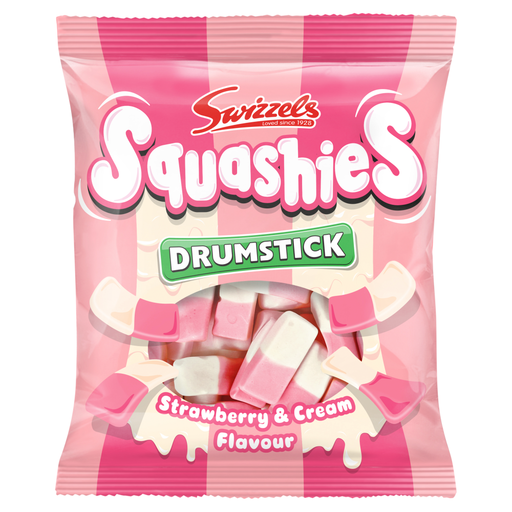
For a strawberry-and-cream chewy sweet to share at home, consider how the 140g bag will be portioned. It contains gelatine, so avoid it if animal gelatine is unsuitable; check the current pack for age guidance and any Fairtrade mark.
 No image available
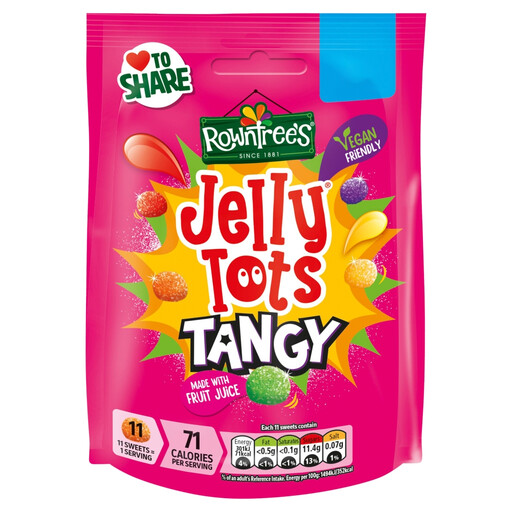
This Tangy variant offers a fruit-flavoured chewy sweet for a home snack. Nestlé Confectionery UK describes Jelly Tots generally as vegan-friendly, but check this variant's own dietary label, age guidance and any Fairtrade mark.
No. A vegan label concerns dietary suitability, not Fairtrade certification. Check the exact pack for a Fairtrade mark and read whether it applies to the ingredients capable of certification or names a particular sourced ingredient, as distinguished by the Fairtrade Foundation.
Do not assume jelly sweets qualify for school-supplied snacks. Department for Education guidance covers food and drink provided in state-funded schools in England, and the Requirements for School Food Regulations 2014 define confectionery to include non-chocolate confectionery whether or not it contains sugar. A school or provider should check the requirements applicable when the food is served.
The Department for Education guidance cited here concerns food and drink provided in state-funded schools in England; it does not turn a parent's home purchase into school-supplied food. For a home snack, check the particular product's ingredients, portion information and age warning.
Read the exact pack's age and choking warning before serving. Marks & Spencer warns that its Jelly Babies are not suitable for children under 36 months because of a potential choking hazard; do not assume another sweet carries identical guidance.
Check the current pack label for the exact variant before purchase or serving. A product page can help you shortlist sweets, but the pack is where you should confirm the ingredients, allergen information and dietary wording for the item in hand.