Fairtrade-first shoppers
If certification is essential, choose by the claim on the exact jelly-sweet pack, not by another product in the brand’s range. The Fairtrade Foundation explains that its two marks have different ingredient-level meanings.


Choose jelly sweets as Fairtrade only when the exact pack carries a Fairtrade claim you can check: the Fairtrade Foundation distinguishes its black Fairtrade Mark from the white Fairtrade Sourced Ingredient mark, which names a particular ingredient. For a gaming session, check vegan suitability separately and decide how to portion the sweets; NHS guidance advises keeping the frequency and amount of sugary foods low.
If certification is essential, choose by the claim on the exact jelly-sweet pack, not by another product in the brand’s range. The Fairtrade Foundation explains that its two marks have different ingredient-level meanings.
A vegan claim and an ingredient list can help you assess dietary suitability. Check Fairtrade status separately: a vegan label does not establish a Fairtrade claim.
If sweets will be shared during play, consider the pack size and set out portions beforehand. NHS guidance advises keeping both the frequency and amount of sugary foods low.
Start with any claim that determines whether you would buy the sweets at all, then compare dietary labels and plan how the pack will be used.
| Priority | What to check | Your needs |
|---|---|---|
| Fairtrade claim | Look at the exact pack. The Fairtrade Foundation says its black mark covers all ingredients that can be Fairtrade-certified; its white Fairtrade Sourced Ingredient mark identifies one named Fairtrade-sourced ingredient. | I only want to call these jelly sweets Fairtrade if their own mark supports that description. A claim on a chocolate product from the same brand would not settle it. |
| Vegan suitability | Check the current vegan statement and ingredient list, including the setting agent. Treat this as a separate question from Fairtrade certification. | For a vegan guest, I need to check the sweets they will actually eat, rather than assume every jelly sweet uses the same ingredients. |
| Sugars and portions | Compare sugars per 100g on the same basis, then check the pack size or stated serving before setting out sweets. A lower figure than another product is not a reason to leave a bag open throughout play. | I want enough to share without relying on unplanned grazing during a long session. NHS guidance advises keeping the frequency and amount of sugary foods low. |
| School setting | If food is being provided to pupils through a maintained school in England, check the applicable school-food standards and the school’s policy. The England-specific regulations define confectionery to include non-chocolate confectionery. | A school-organised session needs a different check from a private gathering; I should not apply an England school-food rule to every gaming event across the UK. |
A claim on one product does not establish the claim on another. The Fairtrade Foundation also distinguishes a whole-product mark from a mark naming a Fairtrade-sourced ingredient.
Read the mark and any named ingredient on the exact jelly-sweet pack before buying it as a Fairtrade choice.
Vegan suitability concerns the product’s ingredients; Fairtrade marks concern certified sourcing. One label cannot answer both questions.
Check the vegan statement and ingredients for dietary needs, then check for a separate Fairtrade mark if certification matters.
The per-100g figure helps compare labels, but it does not describe how much someone will eat from an open sharing bag. NHS guidance advises keeping the frequency and amount of sugary foods low.
Compare labels on the same basis and decide what to set out for the session before play starts.
The cited school-food regulations concern food provided to pupils by maintained schools in England; a private gathering is a different setting.
For a school-organised session in England, check the applicable standards and the school’s food policy rather than assuming that guidance for a private event applies.
These product and retailer references help with label comparisons; a brand name or shop category is not a Fairtrade claim for an individual pack.
M&S publishes ingredient, dietary and nutrition information for its own-label jelly sweets.
HARIBO provides product-level information for its Jelly Beans.
Tesco Groceries lists Rowntree's Jelly Tots in its jelly and chewy sweets category.
Tesco Groceries has a jelly and chewy sweets category that can help shoppers identify packs to compare.
These are vegan-labelled sweet options for a gaming session. If Fairtrade certification is essential, check the exact pack for the appropriate mark before choosing either one on that basis.
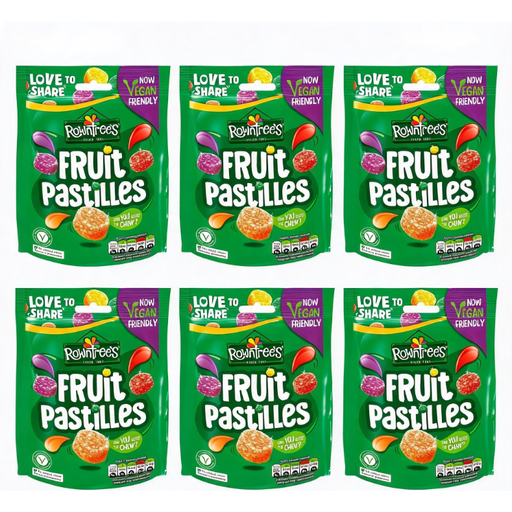 No image available
Six 143g bags offer a way to set out separate portions for a gaming gathering where vegan-labelled sweets are wanted. Check the current pack for a Fairtrade mark if that claim matters to your choice.
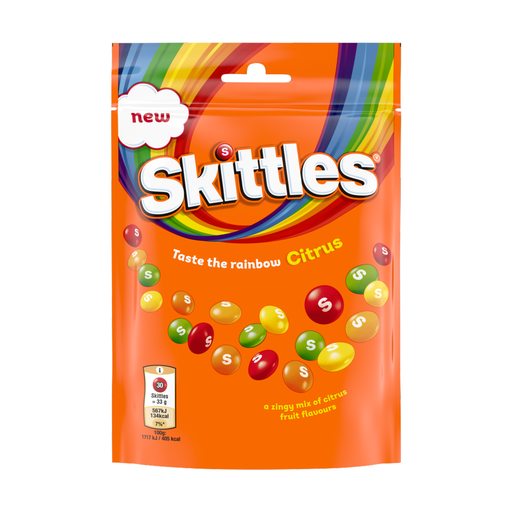 No image available
A citrus-flavoured, vegan-labelled option for the gaming table. Confirm the bag weight on the product and pack before planning portions, and check for a Fairtrade mark if certification is essential.
Read the mark on the exact pack. The Fairtrade Foundation says its black Fairtrade Mark covers all ingredients that can be Fairtrade-certified, while its white Fairtrade Sourced Ingredient mark names the particular Fairtrade-sourced ingredient. A retailer’s range or a separate chocolate product cannot establish the claim for the jelly sweets.
No. A vegan statement addresses dietary suitability, while a Fairtrade mark addresses certified sourcing for the product or a named ingredient. Check both claims separately on the sweets you intend to buy.
Compare the current nutrition labels per 100g, check the pack size and decide what to set out before play. NHS guidance advises keeping the frequency and amount of sugary foods low, so a large sharing bag need not stay open throughout the session.