What should you check before buying?
Check the certification claim on the exact pack first, then match the powder and preparation instructions to your menu. The Fairtrade Foundation explains that products bearing its Marks meet Fairtrade Standards; an organic claim answers a different question.
| Priority | What to check | Your needs |
|---|
| Fairtrade claim |
Look for the FAIRTRADE Mark on the current product pack or listing. Read any accompanying information about what the mark covers; check the exact matcha rather than a retailer’s wider range. |
I want to tell guests the matcha is Fairtrade, so I need the claim to apply to the powder I actually serve. |
| Plain matcha |
Check whether the maker positions the powder for whisking with water. Follow its stated powder quantity, water volume and temperature. |
For a small matcha course, I would rather prepare individual plain servings than mix the powder into a recipe. |
| Milk drinks and food |
Check the powder’s stated uses and the recipe instructions. For a blend, read its full ingredient list rather than assuming it contains only matcha. |
My menu includes matcha lattes or cakes, so the product needs to suit that preparation. |
| Guest information |
Check caffeine information against the exact product and serving size. Keep the packaging for matcha, milk, plant drinks and other additions so you can check ingredients and allergens. |
Some guests may be limiting caffeine or checking ingredients; I want to give them accurate information about what is served. |
Which brands are useful references?
These brands illustrate different matcha formats and a Fairtrade tea alternative; a brand’s inclusion does not certify every product it sells.
Clearspring
Clearspring positions its Premium Grade organic Japanese matcha for both drinks and home baking.
- Clearspring lists the powder’s ingredient as 100% organic matcha green tea.
- Check the exact pack for a FAIRTRADE Mark before making a Fairtrade claim.
JING
JING positions its organic ceremonial matcha for plain preparation and provides separate guidance on matcha for milk drinks.
- For its ceremonial product, JING specifies 1.5 g per 160 ml cup and water at 70°C.
- Ceremonial and organic descriptions do not establish Fairtrade certification for that product.
Teapigs
Teapigs has a matcha collection for hosts who want to compare individual tea listings.
- Its collection provides a starting point for choosing a matcha format.
- Check the individual product’s ingredients and pack before relying on a Fairtrade claim.
Clipper
Clipper describes its range as including Fairtrade teas, making it a reference if a certified tea service matters more than serving matcha specifically.
- A separately marked Fairtrade tea can be considered as an alternative drink.
- Clipper’s Fairtrade tea range is not evidence that a matcha product is certified.
Matcha options on Joybuy
These powders cover plain matcha, flavoured drinks and a latte mix for an afternoon tea menu. Check the current pack or listing for the applicable FAIRTRADE Mark before describing any of them as Fairtrade-certified.
 No image available
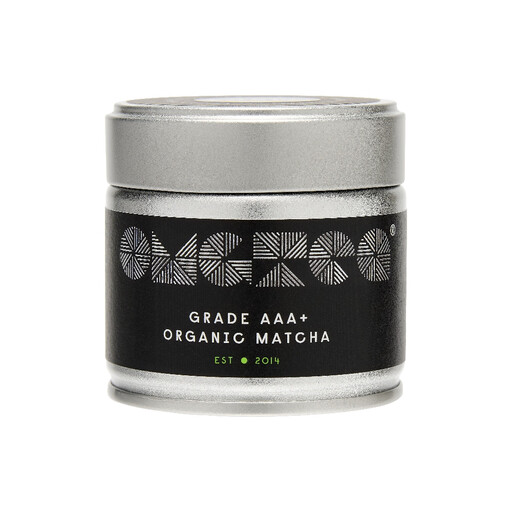
OMGTea Organic Matcha AAA+ 30g
A choice to consider for a small plain whisked matcha course. Check the tin’s preparation and caffeine information when planning individual servings.
View on Joybuy
 No image available
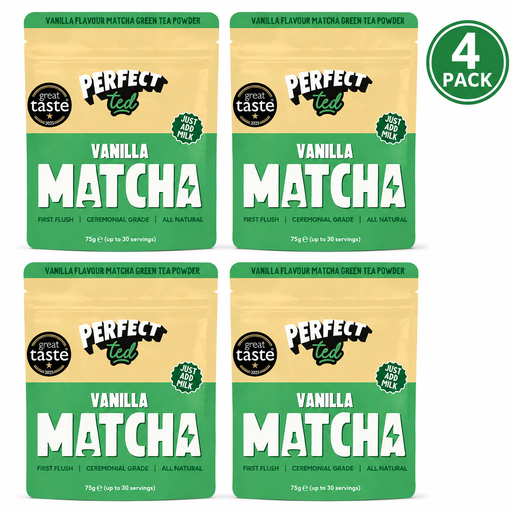
Perfectted Vanilla Matcha Powder 75g, 4 packs
A flavoured matcha option for a water- or milk-based drink. Check the current ingredient and allergen information before serving it to guests.
View on Joybuy
 No image available
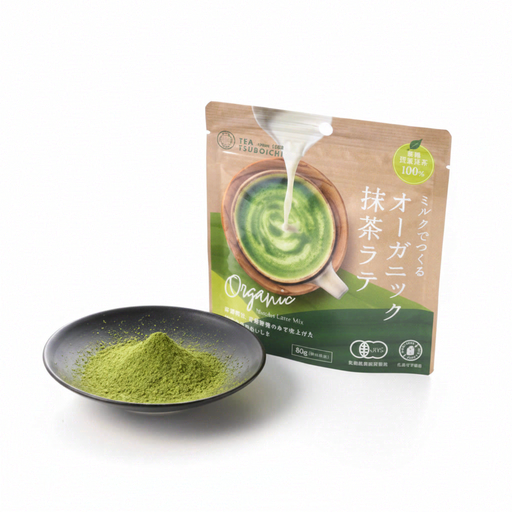
Tsuboichi Seicha Organic Matcha Latte Mix 80g
A matcha latte mix to consider for a milk-based serving. Check the pack’s ingredients and preparation directions before deciding how many drinks to make.
View on Joybuy
 No image available
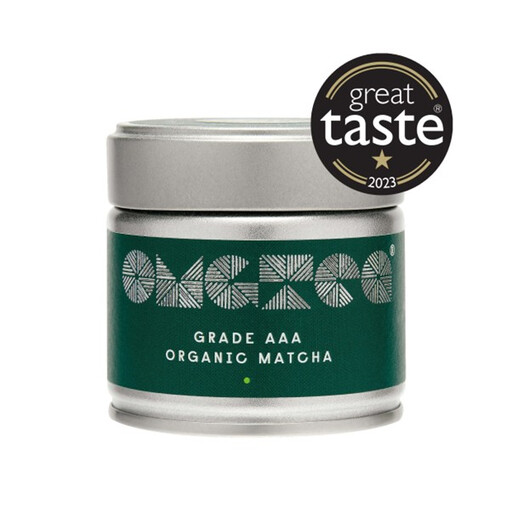
OMGTea AAA Organic Matcha Green Tea 30g
A powder to consider for plain matcha or a matcha recipe. Use the pack’s directions to plan portions rather than assuming they match another OMGTea variant.
View on Joybuy
 No image available
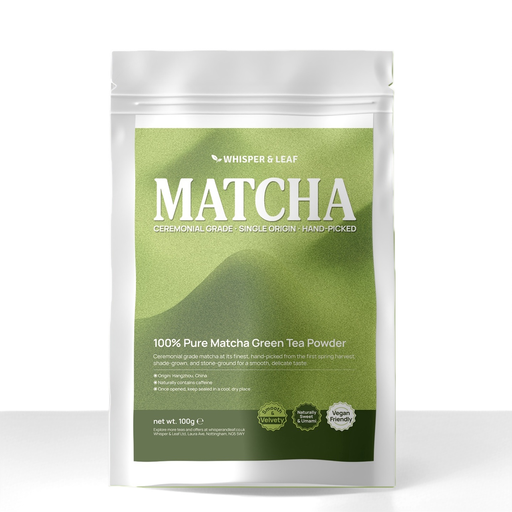
Whisper and Leaf Ceremonial Grade Matcha Powder 100g Bag
Positioned for traditional matcha preparation as well as lattes. Check the pack’s dose and caffeine information before planning servings for guests.
View on Joybuy
Frequently asked questions
How do I check whether a matcha is Fairtrade-certified?
Inspect the FAIRTRADE Mark and accompanying certification information on the exact product’s current pack or listing. The Fairtrade Foundation explains that products bearing its Marks meet Fairtrade Standards; a retailer’s general Fairtrade range does not establish the status of a separate matcha.
Does organic Japanese matcha count as Fairtrade?
Not on the basis of those descriptions alone. Organic status and Japanese origin do not establish a Fairtrade claim, so check the particular matcha for an applicable FAIRTRADE Mark before describing it that way.
Which matcha format suits an afternoon tea menu?
For small plain whisked cups, consider a powder positioned for that preparation and follow its dose and water instructions. For lattes or baking, check for a product intended for mixed drinks or food; JING distinguishes these uses in its matcha guidance.
Should I tell guests that matcha contains caffeine?
Yes. Check the chosen product and portion rather than applying another powder’s figure: Clearspring estimates approximately 32 mg per 1 g of its Premium Grade matcha. The NHS advises pregnant people to keep total caffeine from all sources to no more than 200 mg a day.
What ingredient information should I keep for guests?
Keep the original packaging for the matcha and everything added to drinks or food, including milk, plant drinks, syrups and garnishes. Check each ingredient’s allergen information so you can answer questions about the finished serving, not just the matcha powder.


