Shoppers prioritising Fairtrade and ingredient control
If both criteria matter, check certification for the exact matcha product and read its ingredient list separately. A Fairtrade claim does not tell you what will be in the finished drink.


For a Fairtrade matcha drink with control over added ingredients, start with plain powder whose ingredient list contains only matcha, then check the exact pack for the FAIRTRADE Mark or a specific Fairtrade certification statement. Organic status and Japanese origin do not establish Fairtrade certification. What you add to the powder—and how much you serve—also matters when assessing the finished drink.
If both criteria matter, check certification for the exact matcha product and read its ingredient list separately. A Fairtrade claim does not tell you what will be in the finished drink.
Plain powder prepared with water lets you decide what else goes into the cup. Check milk, syrups or other additions separately when comparing your home-made drink with a ready-made one.
Japanese origin, organic status and Fairtrade certification answer different questions. If Fairtrade is a requirement, look for evidence tied to the precise product rather than relying on its origin or other sourcing descriptions.
Check the certification and ingredient list on the same product before deciding how you will prepare and serve it.
| Priority | What to check | Your needs |
|---|---|---|
| Fairtrade certification | Look for the FAIRTRADE Mark on the exact pack or a specific certification statement for that product. Match the name and variant when shopping online; Fairtrade International says use of its marks is restricted to licensed businesses. | I want evidence for the matcha I am buying, rather than assuming that “organic”, “Japanese” or “responsibly sourced” means Fairtrade-certified. |
| Ingredients | Read the full ingredient list for matcha or green-tea powder without added ingredients. Check flavoured powders and ready-made drinks on their own terms, even when “matcha” appears prominently on the label. | Being able to choose what goes into my drink matters more to me than choosing by the product name alone. |
| Finished drink | Account for the serving amount and anything added during preparation, including milk or syrup. For a packaged drink or food, read its ingredients and nutrition information rather than applying plain-powder details to it. | If I make a latte, I need to assess the whole serving—not just the matcha powder. |
| Preparation format | Decide whether loose powder or pods fit the way you prepare matcha. For pods, confirm the stated machine compatibility before buying. | Loose powder gives me flexibility in preparation; if I prefer pods, they need to work with my machine. |
These are separate attributes. A product can describe where its tea was grown without establishing Fairtrade certification for that pack.
Check the precise variant for the FAIRTRADE Mark or a specific Fairtrade certification statement before treating it as meeting a Fairtrade requirement.
Other ingredients can change a matcha food or drink substantially. Waitrose & Partners lists 34.10 g sugars per cake for its Matcha & Raspberry Cake; that figure describes the cake, not plain matcha powder.
Read the ingredients and nutrition information for the product you will actually consume, including anything added when you prepare a drink.
A drink choice should not displace prescribed diabetes care. Diabetes UK advises against using herbal or complementary remedies as substitutes for diabetes medication.
Choose matcha as a beverage, not as a replacement for medication or advice from your diabetes team.
These brand details help separate plain-matcha and sourcing claims; they do not establish Fairtrade certification for an individual product.
Clearspring offers Japanese organic matcha powders in Premium Grade and Ceremonial Grade formats.
Teapigs describes its matcha as powder made from Japanese green-tea leaves.
JING Tea offers Organic Ceremonial Matcha and guidance on choosing matcha for different preparations.
Waitrose & Partners publishes Fairtrade information for its own-label ranges and nutrition information for individual products.
These powder and pod options are for preparing matcha drinks. If Fairtrade certification is a requirement, check the exact product’s pack or certification statement before choosing one; assess its ingredients and any additions separately.
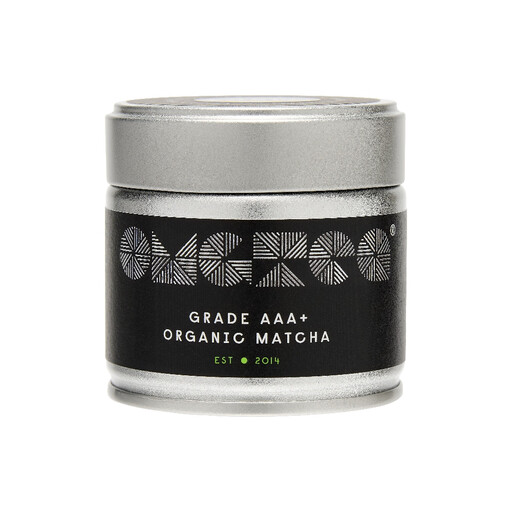 No image available
A 30g matcha powder option for making a drink with additions of your choice. Check the exact pack for Fairtrade certification and read its ingredients before buying.
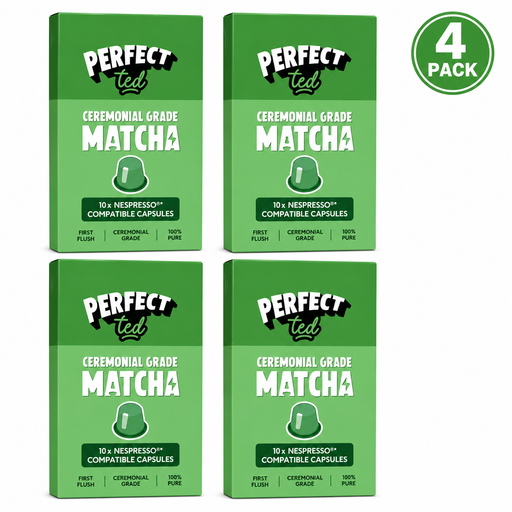 No image available
This pod format suits a matcha drink only if you have a Nespresso Original line machine; do not use it in an incompatible device. Check the exact product for Fairtrade certification and assess the prepared drink’s ingredients.
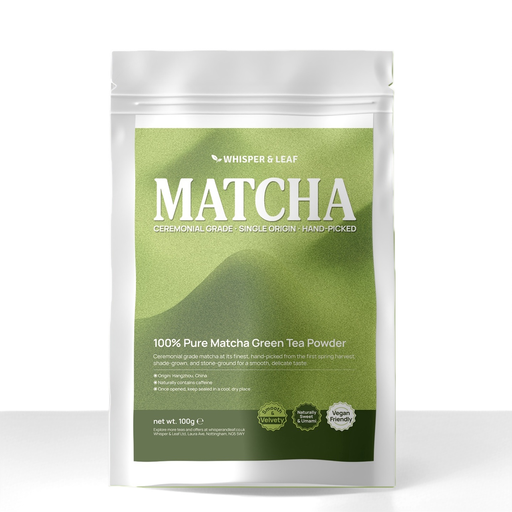 No image available
A 100g bag of matcha powder for preparing drinks yourself. Compare its ingredient list and the finished serving with your needs, and check the exact pack for Fairtrade certification.
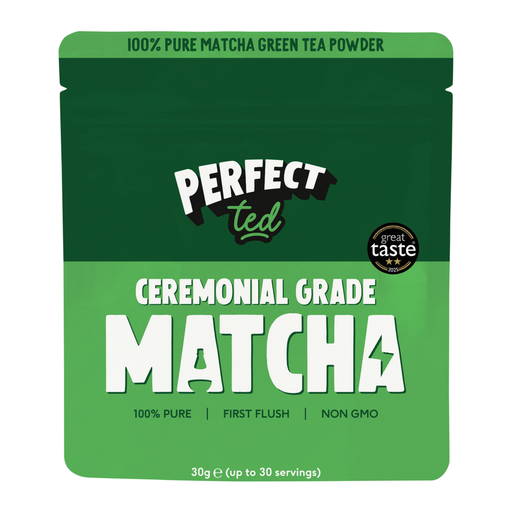 No image available
This 30g matcha powder is an option for preparing a drink at home. Check its ingredients, what you plan to add and Fairtrade evidence for this exact product before deciding.
Look for the FAIRTRADE Mark on the exact pack or a specific Fairtrade certification statement for that product. Fairtrade International says its marks are protected and restricted to licensed businesses; an organic or Japanese-origin claim answers a different question.
No drink is automatically suitable for everyone. A powder containing only matcha lets you identify its ingredients before preparation, but the amount served and any milk, syrup or other additions still need to be considered in the finished drink.
Choose the grade for how you intend to prepare it, not for a diabetes claim. JING Tea describes ceremonial matcha for plain preparation and says culinary matcha holds its flavour against milk or sugar; check the ingredients and any additions whichever grade you choose.
No. Fairtrade certification and sugar content are separate checks. Read the ingredients and nutrition information for the exact powder, latte or matcha-containing food you are considering.
No. Treat matcha as a drink, not a substitute for prescribed treatment. Diabetes UK advises that herbal and complementary remedies should not replace diabetes medication; speak to your diabetes team about individual concerns.