Fairtrade-first matcha shoppers
If certification determines your purchase, check the exact product for a FAIRTRADE Mark or seek direct confirmation of finished-product licensing before weighing its origin or preparation claims.


If Fairtrade certification is a purchase requirement, choose matcha with a FAIRTRADE Mark on the exact product or obtain direct confirmation that the finished product is licensed for the claim. Organic status, Japanese origin and ceremonial-grade positioning can help you choose a style of matcha, but none establishes Fairtrade certification on its own.
The right starting point depends on whether Fairtrade certification is essential or one consideration alongside preparation and format.
If certification determines your purchase, check the exact product for a FAIRTRADE Mark or seek direct confirmation of finished-product licensing before weighing its origin or preparation claims.
If you plan to whisk matcha with water, compare pure powders and their preparation instructions. Check Fairtrade status separately from claims about grade, origin or processing.
If you want matcha for lattes or food, distinguish pure powder from sachets and matcha-containing products. Any Fairtrade claim still needs to apply to the product you choose.
Decide whether Fairtrade certification is essential, then compare products of the format you actually intend to use.
| Priority | What to check | Your needs |
|---|---|---|
| Fairtrade status | Look for the FAIRTRADE Mark on the exact product. If its status is unclear, ask for direct confirmation that the finished product is licensed for the claim; Fairtrade International says marks are licensed for specific qualifying products. | I want certification to be a firm requirement, rather than an assumption based on an organic or premium description. |
| Mark type | Read the mark and any named ingredient. The Fairtrade Foundation says its classic black-background mark covers all ingredients that can be Fairtrade-certified, while the white-background Fairtrade Sourced Ingredient mark identifies one Fairtrade-sourced ingredient. | For a blended product, I need to know which ingredient the claim covers. |
| Drinking style | Check whether the ingredients describe pure matcha powder and whether the pack gives instructions for whisking it with water. Follow that product’s stated quantities and water guidance. | I plan to drink matcha whisked with water, so preparation guidance matters more to me than a product’s premium wording alone. |
| Product format | Compare the ingredient list, matcha percentage where stated, net weight and serving format. M&S Food lists matcha powder at 1% in its matcha and raspberry overnight oats; that is a different purchase from pure matcha powder. | For lattes or cooking, I want to know whether I am buying powder, a single-serve format or a food containing matcha. |
Organic, origin and ceremonial-grade descriptions do not establish that the finished matcha product is licensed to carry a FAIRTRADE Mark.
If Fairtrade is required, check the exact pack for the mark or obtain direct confirmation of finished-product licensing.
The Fairtrade Foundation distinguishes the classic FAIRTRADE Mark from the Fairtrade Sourced Ingredient mark, which identifies one Fairtrade-sourced ingredient.
Read the mark type and any named ingredient before deciding whether the claim meets your requirement.
A food containing matcha may serve a different purpose from powder intended for whisking. M&S Food lists 1% matcha powder in its matcha and raspberry overnight oats, while Clearspring lists 100% matcha powder in its cited ceremonial product.
Compare ingredients and format first, then check the Fairtrade claim on each exact product.
These examples show different matcha styles and shopping routes; a brand’s presence here does not establish Fairtrade status for an individual product.
Clearspring lists a ceremonial matcha made from 100% organic matcha green tea powder, with instructions for whisked preparation.
JING describes its 30g organic ceremonial matcha as a single-cultivar Okumidori powder produced in Kirishima, Japan.
Teapigs has a dedicated matcha category for shoppers comparing tea-retailer options.
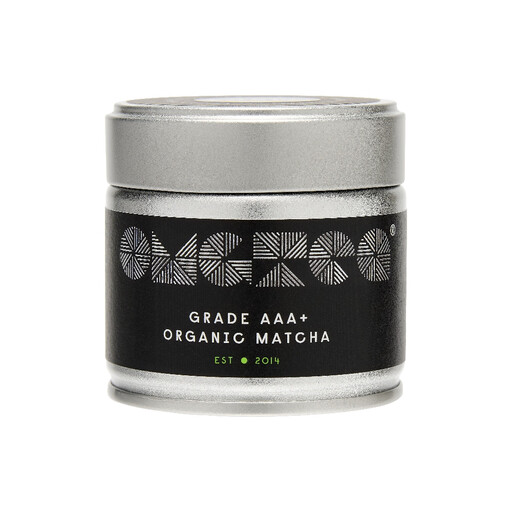
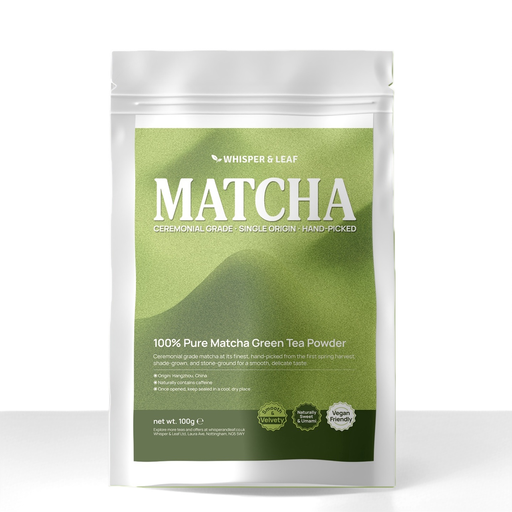
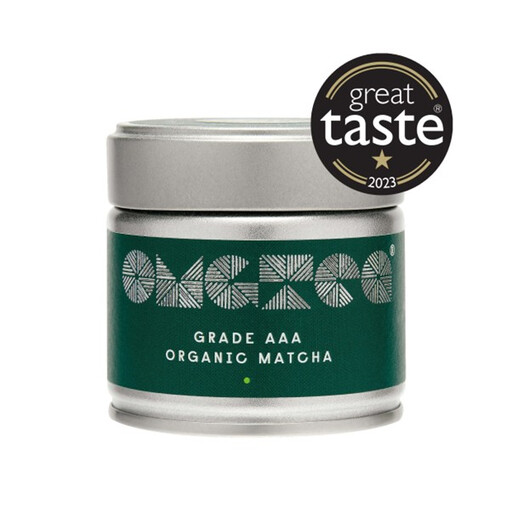
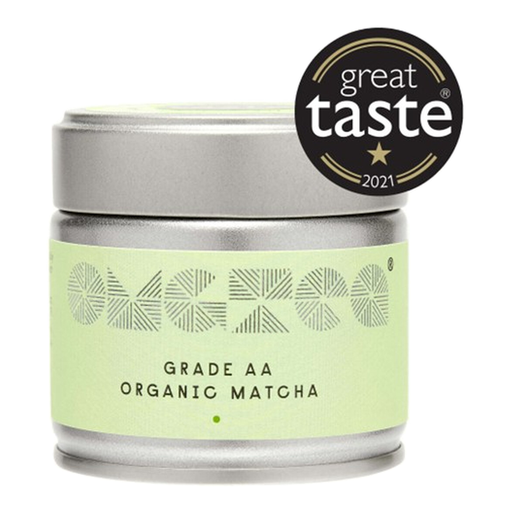
These Joybuy options are matcha powders for shoppers considering whisked drinks, lattes or food use. If Fairtrade certification is essential, check the exact product’s mark or obtain direct confirmation of finished-product licensing before purchasing.
 No image available
A 30g matcha powder option for whisked preparation. If Fairtrade is essential, confirm the exact product’s certification before choosing it.
 No image available
A 100g bag of matcha powder described for traditional preparation and lattes. Check the pack instructions for your intended use and confirm any Fairtrade claim on this exact product.
 No image available
A 30g matcha powder option to compare with other pure-powder formats. Check the exact product’s preparation guidance and Fairtrade status if either determines your choice.
 No image available
A 30g matcha powder option for comparing drink and food uses. Follow the exact pack’s preparation instructions and confirm finished-product licensing if Fairtrade is a requirement.
Look for a FAIRTRADE Mark on the exact finished product, or obtain direct confirmation of its licensing status. Fairtrade International says its marks are licensed for specific products meeting its standards; its Fairtrade Finder is still being developed, so a directory entry alone should not replace confirmation when certification determines your purchase.
No. Organic, origin and ceremonial-grade descriptions address different product characteristics. Check the exact matcha product for a FAIRTRADE Mark or obtain separate confirmation of finished-product licensing.
No. The Fairtrade Foundation says the classic black-background FAIRTRADE Mark indicates that all ingredients that can be Fairtrade-certified are certified; the white-background Fairtrade Sourced Ingredient mark identifies one Fairtrade-sourced ingredient. Read any ingredient named beside the mark.
Not as the same type of purchase. M&S Food lists matcha powder at 1% in its matcha and raspberry overnight oats, whereas Clearspring lists 100% matcha powder in its cited ceremonial product. Compare ingredients and intended use before comparing their claims.
Follow the instructions for the exact product, as quantities can differ. For example, Clearspring’s cited ceremonial matcha instructions specify 1g of powder with 30ml of hot water, whisked well.