If a verifiable Fairtrade claim matters more than having powdered matcha, choose a tea whose exact pack carries the FAIRTRADE Mark; brewed tea will not work in the same way as matcha powder in drinks or recipes. If Japanese powdered matcha is the priority, choose it for its stated format and use rather than assuming that organic or Japanese origin means Fairtrade certification. Fairtrade International’s producer-certification policy excludes G8 countries, including Japan, from its geographical scope.
Who is each option for?
Students who require a Fairtrade-labelled drink
If certification is the deciding factor, look for the FAIRTRADE Mark on the exact tea pack rather than relying on words such as organic or ethically sourced. Fairtrade Foundation recommends the mark as the way to identify Fairtrade products.
Students who want Japanese powdered matcha
Powdered matcha suits whisked drinks and recipes in a way that brewed tea does not. Check the ingredients and origin, but treat those details separately from any Fairtrade claim.
First-time buyers setting up a shared kitchen
A small pack gives you room to work out how often you will make matcha. Check the preparation and storage directions against the equipment and fridge space you will have after moving in.
What should you check before buying?
Fairtrade-labelled tea
Choose when: a verifiable Fairtrade claim matters more to you than making drinks with pure matcha powder.
Trade-off: even a Fairtrade-labelled brewed tea is not powdered matcha, so check its ingredients and intended use.
Japanese powdered matcha
Choose when: you specifically want powder for whisked drinks, lattes or recipes.
Trade-off: organic status and Japanese origin do not establish Fairtrade certification; assess any ethical claim on its own terms.
Decide whether certification or powdered-matcha use is essential first, then check the exact product’s format, preparation and storage directions.
| Priority |
What to check |
Your needs |
| Fairtrade claim |
Look for the FAIRTRADE Mark or a product-specific certification statement. Do not treat an organic label or origin statement as equivalent. |
I want to identify a Fairtrade product on the exact pack I am buying, not infer certification from the brand’s wider range. |
| Drink format |
Check whether the product is matcha powder, a matcha-containing blend or tea for brewing. Read the stated ingredients and suggested use. |
For whisked drinks or recipes, I need powder; if I mainly want brewed tea, bags or loose leaves may suit me. |
| Preparation and storage |
Compare pack size with likely use. Check the instructions for mixing equipment and storage after opening. |
Will I have a suitable way to mix it and somewhere to keep the opened pack in a shared kitchen? |
| Caffeine |
Check the serving instructions and any product-specific caffeine information. Consider other caffeinated drinks and supplements used on the same day. |
I also drink coffee or energy drinks while studying, so I want to keep track of matcha as another source of caffeine. |
What could lead to the wrong choice?
-
Taking “organic” or “Japanese” to mean Fairtrade
Those descriptions answer different questions about a matcha product. Neither establishes that the exact pack is Fairtrade certified.
If certification is essential, follow Fairtrade Foundation’s guidance to look for the FAIRTRADE Mark on the product you intend to buy.
-
Buying brewed tea for a powdered-matcha recipe
Tea bags and loose leaves are prepared differently from matcha powder, even when the tea carries a Fairtrade claim.
Read the ingredients and format before choosing a product for a whisked drink, latte or recipe.
-
Choosing a ceremonial product for occasional lattes
A product presented for drinking on its own may not match how you plan to use matcha after moving in.
Check the stated use and pack size against how often you expect to make drinks or cook with the powder.
-
Forgetting other sources of caffeine
Matcha contains caffeine and may be consumed on the same day as coffee, tea or energy drinks.
Use the product’s serving directions and check any stated caffeine quantity alongside your other caffeinated products.
Relevant brand references
A brand’s tea-range claim should not be transferred to its matcha products: check the exact product whenever Fairtrade certification determines your choice.
Clearspring
Clearspring describes its 40g premium-grade matcha as organic Japanese powder from Uji, Kyoto.
- The stated powder format can be considered for matcha drinks and recipes.
- Its organic and origin descriptions do not establish a Fairtrade claim for this product.
JING
JING describes its 30g ceremonial matcha as organic powder produced in Kirishima, Japan.
- Its stated format is relevant if you want matcha powder for a prepared drink.
- The product’s organic and Japanese-origin descriptions should not be read as Fairtrade certification.
M&S Food
M&S Food states that its tea range includes 100% Fairtrade loose-leaf and bag teas.
- That range is relevant if brewed tea meets your needs; check the mark on the exact pack.
- A claim about loose-leaf and bag teas does not certify an M&S matcha product.
Japanese matcha option on Joybuy
This matcha option is for a student choosing powdered matcha rather than brewed Fairtrade tea. If a FAIRTRADE Mark is essential, check the exact pack before buying.
 No image available
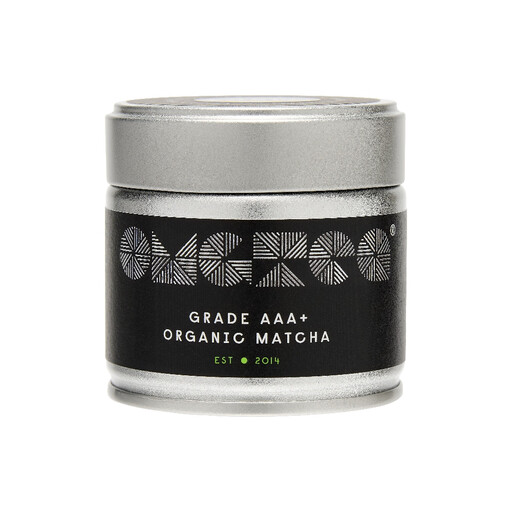
OMGTea Organic Matcha AAA+ 30g
The 30g organic matcha pack is an option if you want to prepare matcha rather than brew tea. Its storage instructions call for refrigeration with an airtight lid after opening, so check whether that works in your accommodation. Organic does not establish a Fairtrade claim; check the exact pack if certification matters to you.
View on Joybuy
Questions about Fairtrade and matcha
Can Japanese matcha be assumed to have International Fairtrade certification?
No. Fairtrade International’s producer-certification geographical scope excludes G8 countries, including Japan, so Japanese origin is not evidence of that certification. If a product makes a specific Fairtrade claim, check the claim and the exact pack rather than relying on its origin.
Does organic matcha count as Fairtrade matcha?
No. Organic and Fairtrade are distinct claims. Fairtrade Foundation advises shoppers to look for the FAIRTRADE Mark when identifying Fairtrade products; check the exact matcha pack if that is your deciding criterion.
Do I need a ceremonial set to make matcha after moving in?
Start with the powder’s own preparation instructions rather than assuming a full set is needed. Check how it should be mixed and whether you already have a suitable mug, whisk or shaker.
How should I account for matcha’s caffeine while studying?
Treat matcha as one source of caffeine alongside coffee, tea, energy drinks and supplements. Check the serving directions and any caffeine quantity stated for the exact product rather than assuming every matcha powder has the same amount.


