Fairtrade-first tea-time shoppers
If an explicit Fairtrade claim is essential, read the mark and its accompanying wording on the particular product. A brand name or caramel flavour does not establish which ingredients are certified.


If you want traditional ready-made toffee with Fairtrade certification, check the exact product for an explicit Fairtrade claim; a toffee or caramel flavour is not proof. For tea and biscuits, Fairtrade-labelled sugar offers a homemade baking route, while Fairtrade caramel or toffee-flavoured chocolate is a ready-to-eat alternative—not the same thing as standalone toffee.
The useful starting point is whether Fairtrade certification, a traditional toffee texture or a ready-to-eat sweet matters most for this tea-time occasion.
If an explicit Fairtrade claim is essential, read the mark and its accompanying wording on the particular product. A brand name or caramel flavour does not establish which ingredients are certified.
Fairtrade-labelled sugar gives you an ingredient for biscuits or a toffee-style bake. Check other ingredients separately if their Fairtrade status also matters to you.
A Fairtrade chocolate bar with caramel or toffee flavours may work alongside tea and biscuits if you do not require a traditional standalone toffee.
Decide on the sweet’s format first, then check the Fairtrade claim on that product or ingredient. If you are serving someone else, read the current ingredients and allergen information too.
| Priority | What to check | Your needs |
|---|---|---|
| Fairtrade scope | Read the mark and adjacent wording. The Fairtrade Foundation says the classic Fairtrade Mark covers all ingredients that can be Fairtrade-certified; a Fairtrade Sourced Ingredient Mark identifies a particular sourced ingredient. | I want to know whether the claim covers every certifiable ingredient or a named ingredient such as cocoa or sugar. |
| Mass balance | Look for a mass-balance or arrow-mark statement and identify the ingredient concerned. The Fairtrade Foundation explains that corresponding Fairtrade volumes are purchased, although certified and non-certified material may mix. | Physical traceability matters to me as well as Fairtrade purchasing, so I need to understand the sourcing statement on the exact pack. |
| Sweet or ingredient | Check whether you are buying ready-to-eat chocolate or sugar for a recipe. Tony’s Chocolonely UK lists Fairtrade-certified caramel and toffee-flavoured chocolate bars; Sainsbury’s describes its Fairtrade Light Soft Brown Sugar for fudge, cakes and cookies. | For something to serve straight away, I would consider chocolate. If I am baking, Fairtrade sugar lets me choose the recipe, but it does not certify the finished bake. |
| Serving information | Read the current pack’s ingredients, declared allergens and any ‘may contain’ wording. The Food Standards Agency explains that precautionary allergen wording signals possible unintended allergen presence. | I am sharing these sweets, so I need the label on the pack I will serve rather than an older online description. |
A flavour name says nothing about certification. The Fairtrade Foundation distinguishes between a mark covering all certifiable ingredients and one identifying a sourced ingredient.
Find the Fairtrade mark on the exact product and read which ingredients its wording covers.
Under the mass-balance model explained by the Fairtrade Foundation, the corresponding quantity of the Fairtrade commodity is purchased, but certified and non-certified material may mix during processing.
If physical traceability matters to you, read the product’s sourcing statement rather than relying on the Fairtrade name alone.
A chocolate bar can provide a caramel or toffee flavour for tea time, but it differs from a standalone chewy toffee. Fairtrade sugar, meanwhile, is an ingredient rather than a finished sweet.
Choose chocolate when that ready-to-eat format suits the occasion, or choose a recipe and check its ingredients if you want to make a toffee-style bake.
Ingredients can change. Marks & Spencer advises that its toffee product information may change, while the Food Standards Agency explains that precautionary allergen labels indicate possible unintended allergen presence.
Read the current physical pack before serving, including declared allergens and any ‘may contain’ statement.
These are references for Fairtrade ingredients or chocolate alternatives, not evidence that a traditional ready-to-eat toffee from any of them is Fairtrade-certified.
A retailer to consider for own-label Fairtrade sugar or chocolate when shopping for tea-time ingredients and alternatives.
A ready-to-eat chocolate route if caramel or toffee flavour matters more than a traditional toffee format.
A chocolate alternative for shoppers interested in a salted-caramel flavour.
These options cover a ready-to-eat caramel chocolate bar and sugars for homemade tea-time baking. Choose by product format first: the sugars are ingredients, not wrapped toffees, and a Fairtrade claim on sugar does not extend automatically to the rest of a recipe.
 No image available
A ready-to-eat chocolate choice if caramel and sea salt suit your tea-time snack better than traditional chewy toffee. Check the current pack for the scope of its Fairtrade claim and its allergen information.
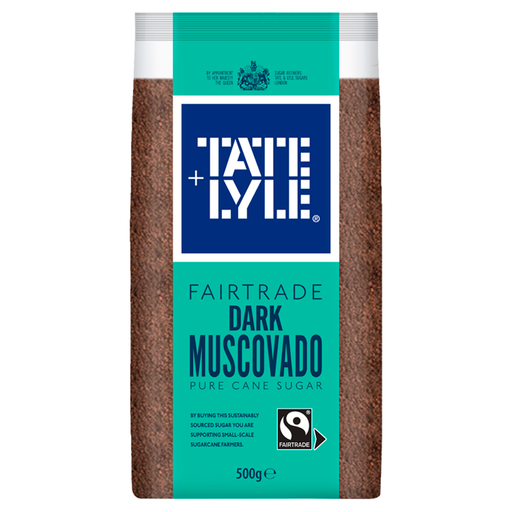 No image available
A 500g sugar ingredient for someone making a tea-time bake rather than buying a finished toffee. Check the recipe’s other ingredients separately for any Fairtrade claims; if physical traceability matters, read the sugar pack’s sourcing statement.
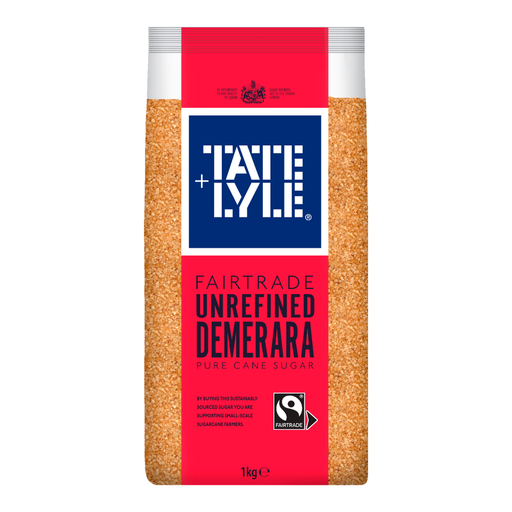 No image available
A 1000g sugar option for preparing biscuits or another homemade accompaniment, rather than a sweet to serve straight from the pack. Read its current Fairtrade wording if the mark’s scope or sourcing arrangement affects your choice.
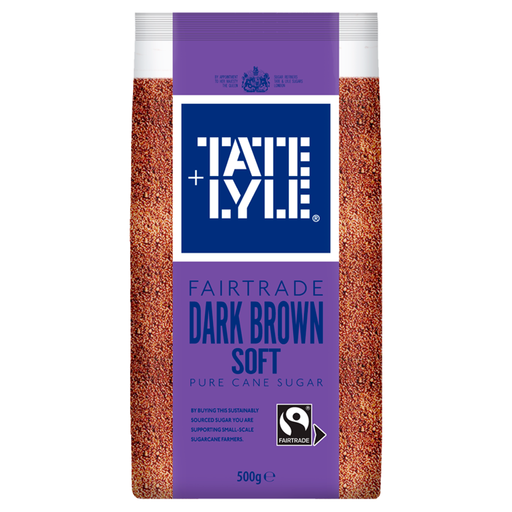 No image available
A 500g sugar ingredient for a homemade toffee-style bake, not a ready-to-eat sweet. Confirm the Fairtrade mark and its wording on the current pack, and assess any other recipe ingredients separately.
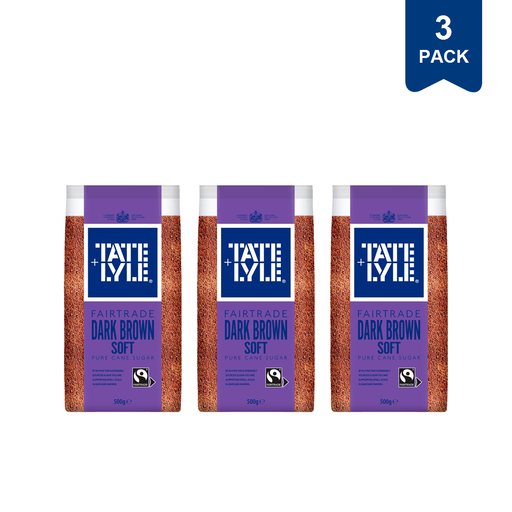 No image available
A three-pack of 500g sugar bags for making more than one batch of tea-time bakes. It remains an ingredient rather than finished toffee; check the current pack’s Fairtrade wording and the other ingredients in each recipe.
Not necessarily. The Fairtrade Foundation says the classic Fairtrade Mark covers all ingredients that can be Fairtrade-certified, whereas a Fairtrade Sourced Ingredient Mark identifies a particular sourced ingredient. Read the wording beside the mark to see what it covers on the sweet you are buying.
It is a volume-based sourcing arrangement, not a guarantee that certified material stayed physically separate in your pack. The Fairtrade Foundation explains that companies buy corresponding amounts of the relevant Fairtrade ingredients, although certified and non-certified material may mix during processing. Check which ingredient the product’s statement names.
It gives you a Fairtrade-labelled sugar ingredient, but does not establish the status of the finished bake or its other ingredients. Sainsbury’s describes its Fairtrade Light Soft Brown Sugar for fudge, cakes and cookies; choose a recipe for the result you want and check each other ingredient separately.
Read the current physical pack for ingredients, declared allergens, precautionary wording and any age-related warning. The Food Standards Agency explains that ‘may contain’ wording communicates possible unintended allergen presence. Marks & Spencer’s Toffee Assortment listing, for example, declares milk and soya ingredients and warns against serving it to children under 36 months because of a potential choking hazard; check the pack for the product you actually serve.