Solo snackers seeking a plain bar
Divine lists a 35g white-chocolate bar with Fairtrade cocoa and sugar. Its ready-sized format avoids opening a larger block for one afternoon snack.


For a single plain bar, Divine White Chocolate 35g is a practical starting point: Divine identifies Fairtrade cocoa and sugar, while the small format needs no dividing. If you would rather portion a larger bar, compare Green & Black's 90g and Waitrose's 180g options; Tony's 180g raspberry and popping-candy bar suits a different, flavoured occasion. Check the exact pack for the Fairtrade ingredients, allergens and nutrition information before choosing.
Divine lists a 35g white-chocolate bar with Fairtrade cocoa and sugar. Its ready-sized format avoids opening a larger block for one afternoon snack.
Green & Black's lists five 18g servings for its 90g bar. Waitrose gives per-square nutrition information for its 180g bar. Check the serving information on the pack you buy.
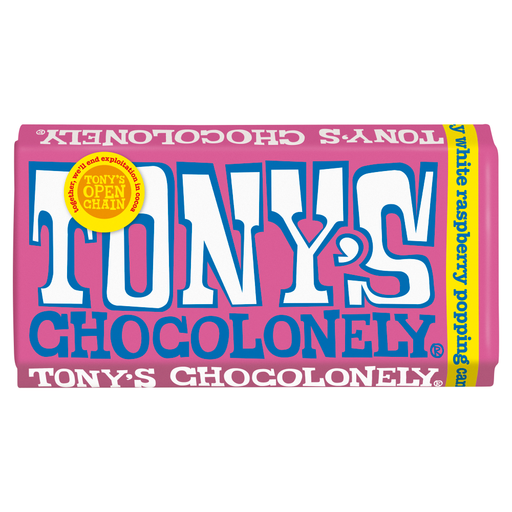
Tony's Chocolonely has a 180g white-chocolate bar with raspberry and popping candy. It is a larger, flavoured choice rather than a small plain bar.
Start with the Fairtrade wording on the exact bar, then choose a size and recipe that suit the occasion.
| Priority | What to check | Your needs |
|---|---|---|
| Fairtrade claim | Look at the mark and named ingredients on the pack. The Fairtrade Foundation distinguishes the FAIRTRADE Mark from the Fairtrade Sourced Ingredient Mark, which identifies a particular ingredient; read any mass-balance statement too. | I want to know whether the claim applies to all certifiable ingredients or only those named. |
| Bar size | Compare the net weight and stated servings: Divine lists a 35g bar, Green & Black's a 90g bar with five 18g servings, and Waitrose and Tony's each list a 180g bar. | For one afternoon snack, I may prefer a small bar; for a larger one, I would need to divide or share it. |
| Flavour and allergens | Choose between plain white chocolate and added flavours such as raspberry and popping candy. Check the current ingredients and allergen statement, including any precautionary warnings. | A plain recipe matters to me more than added texture, or I need to check whether the bar contains an ingredient I avoid. |
| Nutrition information | Compare sugar and saturates using the same basis, such as per 100g. For a divided bar, also read its stated per-serving or per-piece values. | I want to understand the amount I plan to eat rather than assume a Fairtrade claim describes the bar's nutrition. |
M&S describes Fairtrade cocoa for its Choc Marks range, but its Choc Marks White listing uses responsible-sourcing wording. Those statements do not tell you the same thing about every ingredient in the individual bar.
Check the mark and ingredient-specific wording on the exact pack. If it mentions Fairtrade Sourced Ingredient or mass balance, note which ingredients the statement covers.
Fairtrade wording describes sourcing, not the sugar or saturated-fat content of a white-chocolate bar.
Read the nutrition panel and compare bars on a like-for-like per-100g basis. If you plan to divide a bar, check its stated per-piece or per-serving values as well.
Tony's raspberry and popping-candy option is a 180g flavoured bar. Its inclusions and size change what you are buying compared with Divine's plain 35g bar.
Check the flavour and net weight before choosing between a single bar and one you intend to divide or share.
England's Requirements for School Food Regulations 2014 define chocolate as confectionery. The Department for Education's school-food guidance concerns food provided in state-funded schools in England, not every setting across the UK.
For school purchasing, check the current rules for the relevant nation, school type and food service rather than treating a suitable home snack as cleared for a school meal.
These examples illustrate different product claims and formats; the wording on one bar should not be assumed to apply across a brand's range.
Divine lists a plain 35g white-chocolate bar as well as a larger lemon-cheesecake dessert bar.
Its Organic 30% White Chocolate is a 90g bar for shoppers who would rather divide a larger format.
Waitrose Belgian White Chocolate is a 180g own-label bar with per-square nutrition information.
Its 180g white raspberry and popping-candy bar is a flavoured option for dividing or sharing.
M&S describes Fairtrade cocoa sourcing for its Choc Marks range.
This Joybuy option is a larger raspberry and popping-candy white-chocolate bar for dividing or sharing, rather than a small plain bar. Check its exact pack for the Fairtrade declaration and any mass-balance wording.
 No image available
The 180g raspberry and popping-candy format suits an afternoon snack you plan to divide or share, rather than a single plain bar.
Contains milk and soya; may contain cereals containing gluten, eggs and nuts. Check the current pack for its Fairtrade wording and allergen statement.
Not necessarily. The Fairtrade Foundation says the FAIRTRADE Mark on chocolate concerns ingredients that can be Fairtrade certified, while the Fairtrade Sourced Ingredient Mark identifies a particular ingredient. Mass balance allows ingredients to be mixed during processing, so read the mark and the exact product statement.
Divine lists its plain white chocolate as a 35g bar, making it the straightforward single-bar option among these examples. Green & Black's lists a 90g bar with five 18g servings, while the Waitrose and Tony's examples are 180g bars.
Check the current pack of the particular bar. Divine's 35g bar contains milk and may contain gluten and nuts; Green & Black's contains milk and soya and may contain nuts; Waitrose contains milk and may contain nuts. Tony's raspberry and popping-candy bar contains milk and soya and may contain gluten, egg and nuts.
Do not assume a bar chosen for home snacking is suitable for school food. England's Requirements for School Food Regulations 2014 define chocolate as confectionery, and the Department for Education's school-food guidance addresses food provided in state-funded schools in England. Before purchasing for a school, check the current requirements for its UK nation, school type and food service.