If a conference brief requires the FAIRTRADE Mark, check that the exact product carries it rather than assuming a fruit infusion or an ethical-sourcing claim qualifies. For a station that also needs a fruity alternative, provide a separately labelled fruit or herbal infusion and check its ingredients, caffeine information and any certification. Fairtrade International’s Tea Standard covers tea from the Camellia plant, so it does not establish the status of a fruit infusion.
Who is this choice for?
Organisers with a Fairtrade commitment
If the event brief specifies the FAIRTRADE Mark, check the exact pack and any named certified ingredient. The Fairtrade Foundation distinguishes a product-level Fairtrade Mark from a mark identifying a Fairtrade-sourced ingredient; a brand’s reputation alone does not establish either claim for every blend.
Caterers offering a fruit alternative
A fruit or herbal infusion can give delegates an option apart from conventional tea. Twinings describes its fruit infusions as containing no Camellia sinensis tea leaves, but check the ingredients and caffeine information on each blend before describing it as caffeine-free.
Teams running self-service stations
Keep each drink identifiable and its current ingredient information accessible to the service team. GOV.UK and Food Standards Agency guidance for food businesses in England, Northern Ireland and Wales covers allergen information for both prepacked and non-prepacked drinks.
What should you check before ordering?
Start with the wording of the event brief: a requirement for the FAIRTRADE Mark is different from a broader request for ethically sourced fruit drinks.
FAIRTRADE Mark required
Choose when: The client or event policy explicitly requires the FAIRTRADE Mark on the drink supplied.
Bear in mind: Fairtrade International’s Tea Standard covers Camellia tea; a fruit infusion needs its own product-specific evidence before it can be labelled Fairtrade.
Mixed drinks station
Choose when: The station needs both a tea with a verified Fairtrade claim and a separate fruit or herbal choice.
Bear in mind: Keep the products and their signage distinct; certification on the tea does not transfer to the infusion.
Fruit and herbal focus
Choose when: Fruity options take priority and the brief accepts a clearly named certification other than the FAIRTRADE Mark.
Bear in mind: Pukka describes its teas as Fair for Life certified, but Fair for Life and organic certification must not be presented as the FAIRTRADE Mark.
| Priority | What to check | Your needs |
|---|
| Certification |
Check the exact pack for the FAIRTRADE Mark and identify any specifically certified ingredient. Fairtrade International says mass balance is permitted for tea, so a Fairtrade claim does not by itself promise physical segregation. |
I need the wording on the drinks station to match the certification required by the conference brief. |
| Drink type |
Read the ingredients for fruit, herbs and any Camellia tea; check the product’s caffeine information. Twinings describes its fruit infusions as containing no Camellia tea leaves, but that description does not cover every drink marketed as fruit tea. |
Guests avoiding conventional tea need a clearly identified alternative, not an assumption based on a fruity product name. |
| Allergen information |
Keep the current pack or supplier specification with the drinks being served and establish how staff will answer questions. GOV.UK and Food Standards Agency allergen guidance applies to catering food businesses in England, Northern Ireland and Wales. |
At a self-service station, I want staff to be able to identify the product and find its current ingredient information. |
| Pack format |
Compare stated bag or sachet counts with planned servings and breaks; check whether individual portions suit the station. Twinings Trade lists foodservice products, while Sainsbury’s lists a 240-bag Fairtrade black tea pack—neither example establishes the certification of a fruit infusion. |
If drinks will be replenished throughout the event, I need a serving count that works with the catering plan. |
What can go wrong at a drinks station?
-
Calling every fruit option “Fairtrade tea”
Fairtrade International’s Tea Standard concerns tea from the Camellia plant, while Twinings describes its fruit infusions as containing no Camellia tea leaves. Calling an unverified infusion Fairtrade could misstate what the conference is serving.
Label the Fairtrade tea and fruit or herbal infusion separately. Use a Fairtrade claim for an infusion only when the exact product supports that wording.
-
Treating different certifications as interchangeable
Organic and Fair for Life claims do not establish that a product carries the FAIRTRADE Mark. Pukka states that its teas are Fair for Life certified; that is a distinct claim.
Match the certification on the exact pack to the language in the event brief and signage.
-
Relying on an old ingredient sheet
Ingredients can change, making an earlier sheet unsuitable for answering questions about the product being served. GOV.UK and Food Standards Agency guidance for England, Northern Ireland and Wales requires catering food businesses to provide allergen information and manage allergens.
Keep current packaging or supplier information available and tell service staff where to find it when stock is replenished.
-
Assuming Fairtrade means physical segregation
Fairtrade International permits mass balance for tea: certified and non-certified quantities may be mixed during processing while corresponding Fairtrade volumes are tracked.
If the event policy specifically requires physical segregation or origin-specific traceability, request evidence addressing that requirement from the supplier.
Which brands are relevant?
These brand and retailer references illustrate different sourcing routes; check the claim on each product chosen for service.
Clipper
Clipper presents itself as a Fairtrade tea company and lists Fairtrade conventional teas.
- Clipper’s Fairtrade collection includes named black and green teas, providing products to check when the brief requires certified conventional tea.
- That collection does not establish Fairtrade certification for every Clipper fruit or herbal infusion; check the exact pack.
Pukka
Pukka offers fruit blends and states that its teas are organic certified and Fair for Life certified.
- Its stated Fair for Life certification is relevant where the brief accepts that named sourcing scheme.
- Neither Fair for Life nor organic certification is interchangeable with a requirement for the FAIRTRADE Mark.
Twinings
Twinings describes fruit infusions separately from Camellia tea, and Twinings Trade lists foodservice products.
- The trade range gives caterers a route for checking fruit and herbal products in foodservice formats.
- A fruit or herbal product’s presence in that range does not establish a Fairtrade claim for its exact SKU.
Sainsbury’s
Sainsbury’s stated in May 2025 that its own-label black tea had become Fairtrade.
- Its Red Label product listing identifies a 240-bag pack of Fairtrade black tea, a format caterers can assess for the certified-tea part of a station.
- That evidence concerns black tea, not fruit infusions. Check the current product label before service.
Tesco
Tesco lists a fruit and herbal tea category as well as separately identified Fairtrade conventional teas.
- The separate listings can help a caterer look for the two components of a mixed station.
- A Fairtrade claim on a conventional tea listing does not establish certification for a fruit or herbal product.
Joybuy options for the drinks station
These options include fruity drinks and a separately listed Fairtrade decaf tea for a mixed conference station. Check each current pack against the event’s certification, caffeine and ingredient requirements before serving.
 No image available
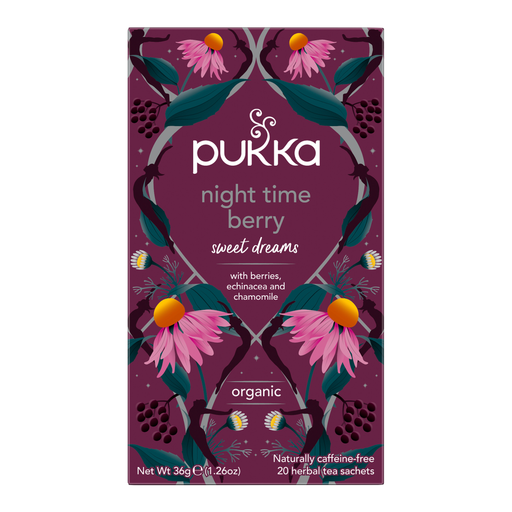
Pukka Night Time Berry Organic, 20 sachets, 36g
A berry option for a fruit and herbal selection, supplied as 20 sachets. Pukka’s brand-level Fair for Life statement is distinct from the FAIRTRADE Mark; check the exact pack for the certification required by the brief, along with caffeine and ingredient information.
View on Joybuy
 No image available
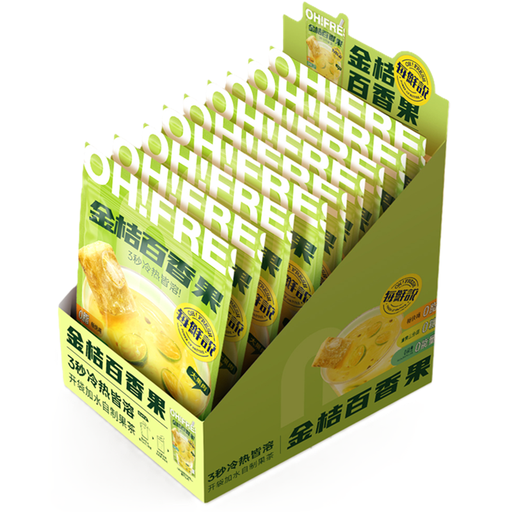
Meixianshuo Fresh Fruit Tea Single Cup, Kumquat & Passion Fruit, 6g × 10
A single-cup fruity option in ten 6g portions. Treat it as a separate drink choice, not as a certified Fairtrade tea; check the current pack for certification, caffeine information, ingredients, sugar and sweeteners before writing the station label.
View on Joybuy
 No image available
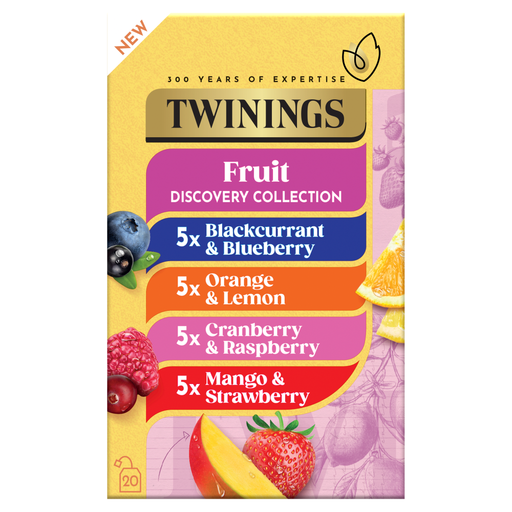
Twinings Fruit Selection, 20 tea bags, 40g
A fruit selection for the infusion side of a mixed station, with 20 bags per pack. Check the exact pack for its caffeine and ingredient information and do not label this selection Fairtrade without a product-specific claim.
View on Joybuy
 No image available
Clipper Organic Fairtrade Decaf Everyday, 80 tea bags, 277g
A separately named Fairtrade decaf tea option for a mixed station, rather than a fruit infusion. Check that the current pack carries the claim required by the event; decaf should not be labelled caffeine-free without checking its caffeine information.
View on Joybuy
 No image available
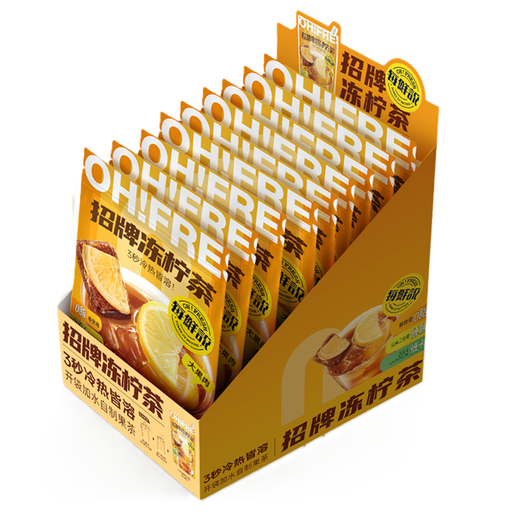
EveryFresh Single-Serve Signature Frozen Lemon Tea, 6g × 10
A lemon-tea option in ten single-serve sachets. Check the current ingredients for tea and the caffeine information before placing it with caffeine-free fruit infusions; also check the pack before making any Fairtrade claim.
View on Joybuy
Conference catering questions
Is fruit tea Fairtrade if the brand sells Fairtrade tea?
No brand-wide assumption is enough: check the exact fruit product and its packaging. The Fairtrade Foundation distinguishes the FAIRTRADE Mark from a mark identifying a Fairtrade-sourced ingredient, so use the wording that applies to the drink being served.
Why isn’t a fruit infusion automatically covered by Fairtrade’s Tea Standard?
Fairtrade International’s Tea Standard covers tea and instant tea from the Camellia plant. Twinings describes its fruit infusions as containing no Camellia tea leaves, so assess a fruit blend by its own ingredients and displayed certification rather than assuming a conventional-tea claim applies.
Does a Fairtrade tea bag guarantee physically segregated tea?
No. Fairtrade International permits mass balance for tea, in which Fairtrade and non-Fairtrade quantities may mix while corresponding certified volumes are tracked. If physical segregation matters to the conference policy, ask the supplier for evidence specifically addressing it.
What allergen information should conference staff have available?
For catering food businesses in England, Northern Ireland and Wales, GOV.UK and Food Standards Agency guidance requires allergen information for prepacked and non-prepacked food and drink and effective allergen management. Keep current product packaging or supplier information accessible and make sure staff know how to use it. For a Scottish venue, check the applicable Scottish guidance.


