
24/7 Customer Support

Free returns

Same-day & Next-day Delivery

Quality Guaranteed

Unlock Your Welcome Offers: FREE Delivery | Up to 80% OFF | Free 30-day JoyPlus trial
Download the APP
Choosing a new board game can feel like a high-stakes decision. You want something that will engage everyone, from the easily distracted ten-year-old to the competitive adult and turn a quiet evening into a memorable one. With so many options on the shelves, it is difficult to know which ones will actually deliver on the promise of fun and which will end up gathering dust.
As a Joybuy Product Recommendation Officer, my role is to help you navigate these choices. This guide is designed to provide practical advice and highlight a few standout options that are well-suited for lively gatherings, whether it is a regular family game night or a party with friends.
Before you add a game to your basket, considering a few key factors can help ensure it is a hit. Thinking about who will be playing and what kind of experience you want will lead you to the perfect match.
The ideal game changes depending on who is at the table. For a group with younger players, such as kids board games 8-12, you will want rules that are easy to grasp and gameplay that moves along quickly. For an all-adult group, you might look for something with more strategy or humour. Also, check the player count. Some games are designed for small groups, while others, like many party games for families, can accommodate a larger crowd.
Are you looking for quiet concentration or loud, energetic fun? Games can be cooperative, where everyone works together towards a common goal, or competitive, where players face off against each other. Interactive family games that get people moving, drawing or building are excellent for breaking the ice and generating laughter, making them ideal for fun group games and social events.
A great board game is one you can return to again and again. Look for games with variable elements, such as a large deck of prompt cards, different difficulty levels, or mechanics that ensure no two rounds are ever exactly the same. This provides better long-term value and keeps the experience fresh for every game for game night.
Based on features that promote interaction, creativity and replayability, here are a few recommendations that are proving popular for family and social gatherings.
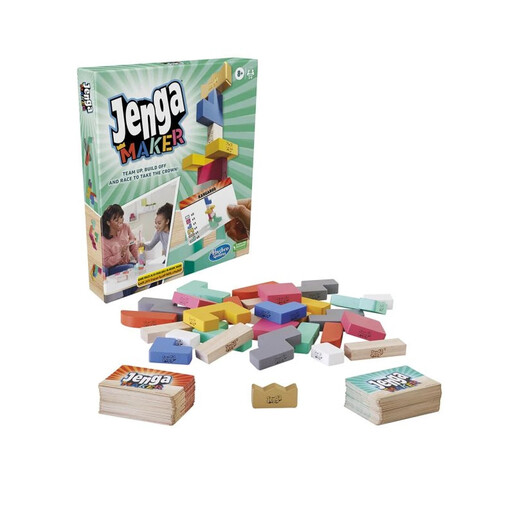
Why It Stands Out: Jenga Maker transforms the classic solo stacking game into a frantic, team-based race. Instead of carefully removing blocks, teams work together to build a structure shown on a card. The twist is that one player (the "Director") describes the build while their teammate (the "Maker") assembles it without seeing the card. This focus on communication and speed creates a lively and collaborative atmosphere.
Pros:
Who is it for? Families and groups who enjoy high-energy, cooperative challenges. It is an excellent choice for players aged 8 and up who want a game that is more about communication and speed than quiet strategy.
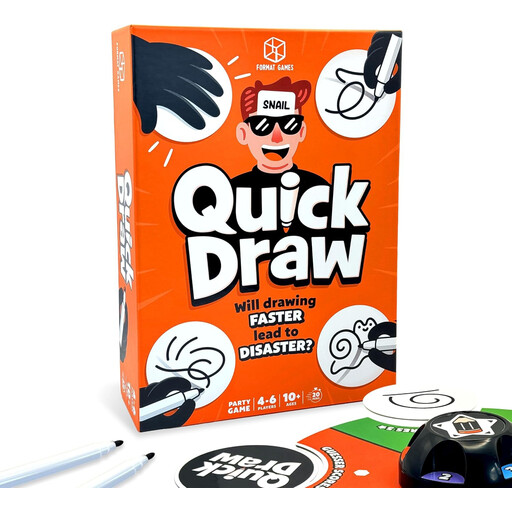
Why It Stands Out: This drawing game adds a hilarious twist by making one player wear blackout shades while everyone else draws. The artists race to sketch the prompt, and the guesser must figure out the subject based on the often-questionable drawings. The competitive board, where players slam their drawings down to claim the top spot, adds a fun, physical element to the race.
Pros:
Who is it for? Groups looking for a pure party game filled with laughter and friendly competition. Its simple rules and unpredictable results make it a fantastic icebreaker for family gatherings and parties with friends.
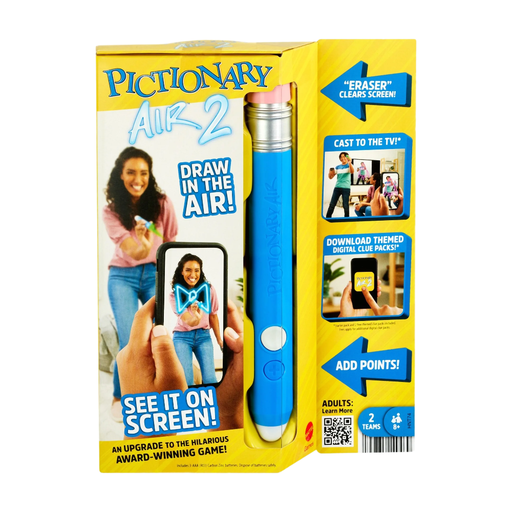
Why It Stands Out: Pictionary Air 2 takes the classic drawing game off the page and into the digital age. Players use a redesigned light pen to draw in the air, and their creations appear on a smart device screen. The ability to cast the game to a TV makes it a spectacular centrepiece for game night, allowing the whole room to see the airborne artistry in real-time.
Pros:
Who is it for? Tech-savvy families and friends who enjoy a modern twist on a classic. It is particularly good for mixed-age groups, as the digital clue packs can be tailored to the players. Note that it requires two smart devices (one for drawing, one for clues) and a streaming device to cast to a TV.
While board games are a fantastic way to connect, sometimes a different kind of interactive entertainment is in order. If your group prefers controllers to cardboard, you might find your next favourite game in the digital world.
For great prices on titles for consoles and PC, check out our current video game deals.
What makes a good family board game? A good family board game is typically easy to learn, has a good balance of luck and skill so everyone feels they have a chance and encourages positive interaction. Games with shorter play times or engaging, fast-paced turns are often successful at holding the attention of a wide range of ages.
How do you get everyone interested in playing a board game? Choosing the right game is the first step. Pick something that matches the group's energy and interests, rather than something overly complex. Set a relaxed atmosphere, explain the rules clearly and perhaps play a practice round. Emphasising the fun of playing together over the importance of winning can also help reluctant players feel more comfortable joining in.
What are some good games for a mixed group of adults and children? Games that focus on creativity, humour and teamwork often work well for mixed-age groups. The recommendations above, like Jenga Maker and Pictionary Air 2, are great examples. They rely on universal skills like communication and drawing rather than complex strategy or trivia, allowing both children and adults to participate and have fun on a level playing field.