
24/7 Customer Support

Free returns

Same-day & Next-day Delivery

Quality Guaranteed

Unlock Your Welcome Offers: FREE Delivery | Up to 80% OFF | Free 30-day JoyPlus trial
Download the APP
Choosing family board games can seem straightforward until you compare box claims, age labels, player counts and component quality. A game that looks exciting online may be too complicated for younger children, too short-lived for regular family game nights or unsuitable for the space available at home.
Joybuy Product Recommendation Officer guidance focuses on the practical details that are easy to overlook.
Licensed character games featuring Bluey, Paw Patrol, Mario, Harry Potter or LEGO Ninjago can attract children quickly, but the theme does not guarantee engaging gameplay. Check what players actually do: matching, deduction, movement, collecting, bluffing or building. A familiar character may encourage the first play, while clear rules and replayable mechanics help maintain interest.
The recommended age is not merely a marketing detail. Games with small pieces may present a choking hazard for younger children, while strategy games for kids may be frustrating if the rules require advanced reading or sustained concentration.
For example, a game marked from age 8 should not automatically be treated as suitable for a younger child who is confident with puzzles. Always follow the manufacturer’s age guidance and warning information, particularly where small parts, batteries or magnets are included.
A large board may need a stable table, while party games for children may need clear floor space. Electronic games can require batteries, and Nintendo Switch titles require compatible hardware and, for some online functions, a Nintendo Switch Online membership.
Before buying, consider whether the game is intended for:
Look for the exact recommended age, not just “children’s board games” in the product title. Games for ages 3 to 8 vary considerably in complexity. Younger children often benefit from large, easy-to-handle pieces and simple turn-taking, while older players may prefer deduction, tactics or bluffing.
Check all warnings before opening the box. Products containing small parts should be kept away from children below the stated age. Battery-operated products should also be checked for battery type, whether batteries are included and safe storage of new and used batteries.
A game advertised as a family game may only work well with two players, or may become lengthy with a full group. Mastermind Classic, for instance, is designed as a two-player code-breaking duel with an indicated playing time of around 20 to 40 minutes. By contrast, a compact card game such as Monopoly Deal FIFA is designed for two to five players and can be played in shorter rounds.
For family games for game night, compare:
Compact card games in tins or plastic cases are practical travel games for kids, while boxed board games may need a dedicated shelf. Battery-free sets are ready to play without additional running costs. Electronic games can add sound, lights or interactive feedback, but check whether batteries are included and remove batteries during long-term storage when appropriate.
Components should also be checked for size and handling. Large cards, sturdy boards and easy-grip pieces are useful for younger children, whereas detailed tokens and smaller cards may suit older players.
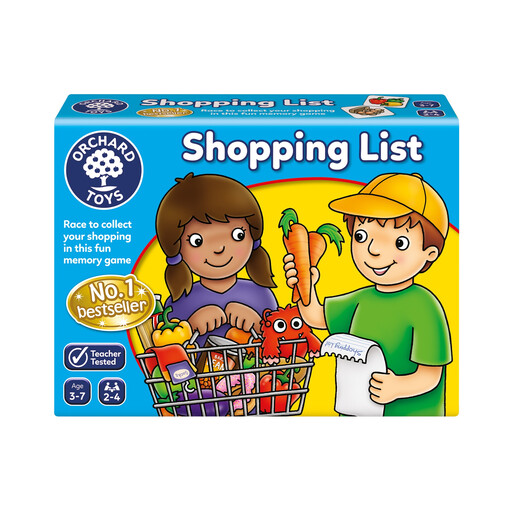
Why This Fits Their Persona: A straightforward choice for families introducing young children to turn-based play without batteries or complicated setup. It is suitable from age 3.
The rules centre on matching shopping items to lists, making the core activity clear rather than relying only on the theme.
No batteries required; supports matching, memory, early counting and turn-taking.
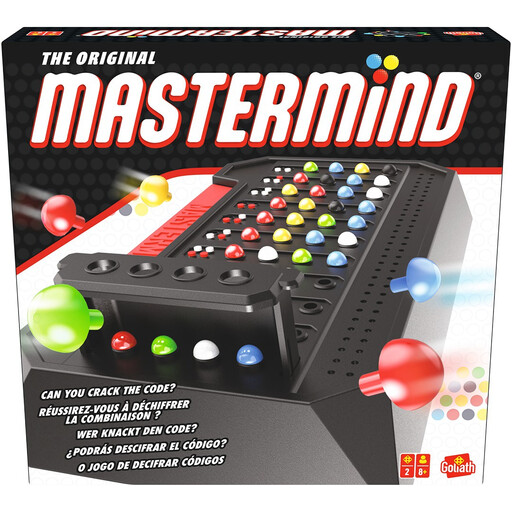
Why This Fits Their Persona: Suits households wanting a focused two-player game with a classic format and a more deliberate pace for older children and adults.
Its two-player format and defined code-breaking objective make the intended experience clear before purchase.
For ages 8 and up; no batteries required; includes code and evaluation pegs for deduction play.
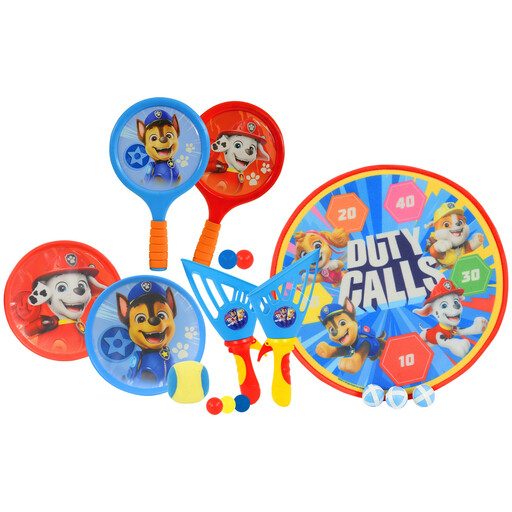
Why This Fits Their Persona: A practical option for families planning garden play, park visits or children’s parties where one activity may not hold attention for long.
The box contains four distinct activities, so buyers are not paying for a single-use outdoor toy.
Includes pop and catch, sticky catch, target shot, and bat and ball activities; suitable from age 3.
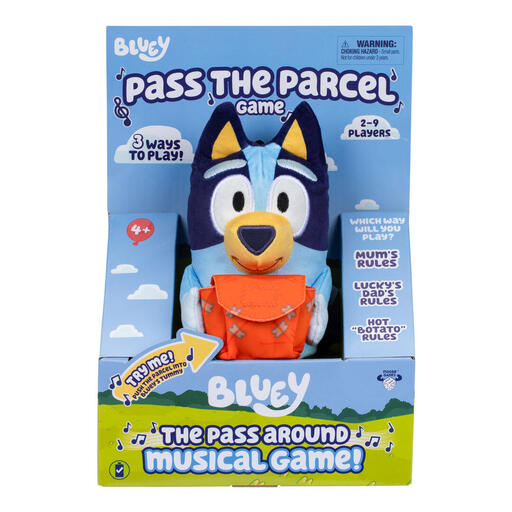
Why This Fits Their Persona: Designed for lively playdates, birthday gatherings and family groups who prefer movement, music and simple participation.
It offers three stated game modes, giving the electronic plush a defined role rather than making it only a decorative feature.
Suitable from age 4; includes a 20 cm plush, 12 parcel tiles and batteries.
We have compiled a complete, real-time list of products that fully satisfy these strict selection criteria and UK safety regulations.
Look for a broad age range, clear instructions, manageable playing time and a player count that matches your household. Games with quick setup and repeatable rounds are usually easier to include in a busy evening.
Keep pieces in labelled bags or compartments inside the original box, store cardboard flat and keep battery-operated products away from heat and damp. Count components after playing so missing pieces do not interrupt the next session.
Battery-free board games and card games have no ongoing power cost. Electronic sets require replacement batteries, while console games may require compatible hardware and optional online subscriptions. Check the product specification before purchase to understand the full cost of use.