What to compare before buying
Start with the serving you expect to eat, then compare the cereal label and the additions that will make up the finished breakfast.
| Priority |
What to check |
Your needs |
| Carbohydrate in the served bowl |
Compare carbohydrate per stated serving; measure loose cereal consistently; include milk and toppings in the meal calculation. |
A repeatable portion helps me estimate the carbohydrate in the breakfast I will actually eat. Diabetes UK says the total amount of carbohydrate consumed has the biggest effect on glucose levels after eating. |
| Wholegrain, fibre and sugars |
Check the ingredient list for wholegrain wheat or oats; compare fibre and sugars on the same serving basis; look for dried fruit that contributes sugars. |
I want to compare the exact cereal rather than assume that a wholegrain or no-added-sugar message tells the whole story. |
| Portion-friendly family format |
Check pack counts and stated servings; consider countable biscuits, sachets or a method for weighing loose cereal; do not use box size as a serving guide. |
For shared breakfasts, I need a format that is easy to divide while allowing different household members to use different portions. |
| Ingredients and allergens |
Read the current ingredient and allergen statement; check wheat, oats, milk, nuts and may-contain warnings; review the pack again after substitutions or reformulation. |
I need one cereal that works safely for the people sharing it, not simply a cereal that suits one person’s nutrition plan. |
Joybuy product options
Joybuy cereal options for shared breakfasts, including countable biscuits, loose cereals and a no-added-sugar muesli. Compare the serving and the current pack label against the household’s own needs.
 No image available
Weetabix Super Size 72 Pack 1.52kg
A countable format for shared breakfasts where a two-biscuit serving is a repeatable starting point.
Wholegrain wheat; 1.7g sugars, 26g carbohydrate and 3.8g fibre per two-biscuit 37.5g serving. Contains wheat and barley. Include milk and toppings when calculating the meal.
Joybuy
 No image available
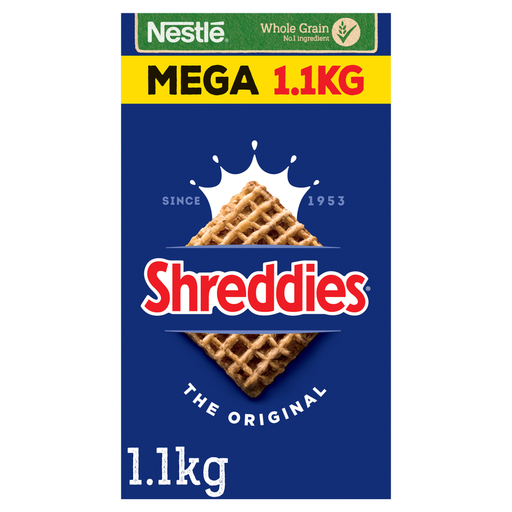
Nestlé Shreddies Original Malted Wheats 1.1kg
A large loose-cereal option for households prepared to measure the bowl they serve.
Four-layer wholegrain wheat; 28.2g carbohydrate, 5g sugars and 4.8g fibre per 40g serving. Contains added sugars and may contain peanuts and nuts.
Joybuy
 No image available
Mornflake Mighty Oats Original Oatbran 800g
A loose oatbran option for a household willing to weigh or otherwise standardise portions.
100% oatbran; 48.2g carbohydrate, 1.5g sugars and 19.4g fibre per 100g. Contains oats and is unsuitable for people with wheat or barley allergy because of manufacturing methods.
Joybuy
 No image available
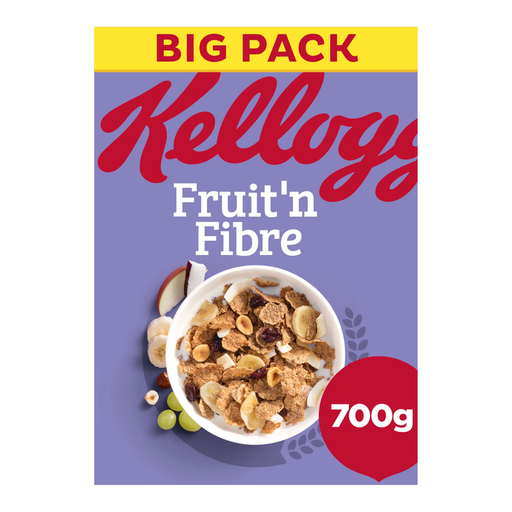
Kellogg's Fruit N Fibre 700g
A family-format wholewheat-and-fruit cereal that needs a measured serving and a label comparison.
Contains 69% wholewheat and provides 9g fibre per 100g. Contains wheat, barley and hazelnuts, and may contain other nuts. Check the current pack’s sugars before comparing it with lower-sugar options.
Joybuy
 No image available
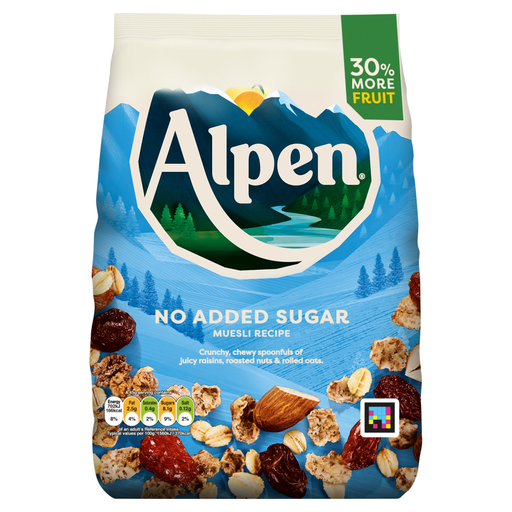
Alpen No Added Sugar Muesli 950g
A large loose muesli for households that want fruit-and-nut cereal and can measure servings.
Wholegrain wheat and oats with 18g sugars, 65g carbohydrate and 8g fibre per 100g. Contains almonds, hazelnuts, milk, oats and wheat, and may contain other nuts.
Joybuy
Frequently asked questions
Is there one breakfast cereal that suits everyone with diabetes?
No. Diabetes UK states that there is no one-size-fits-all diabetes diet. The type and amount of carbohydrate can affect glucose management, so compare the current label with personal dietary or diabetes-care advice.
Does “no added sugar” mean a cereal is low in total sugar?
No. A cereal can contain naturally occurring sugars from ingredients such as raisins. Alpen No Added Sugar lists 8.1g sugars per 45g serving, so compare the total-sugars line and ingredients list rather than relying on the claim alone.
What should someone who counts carbohydrates check on a cereal pack?
Check carbohydrate per stated serving, decide the amount actually served and include milk, yoghurt, fruit or other toppings in the meal calculation. Diabetes UK notes that the total carbohydrate consumed has the biggest effect on glucose levels after eating.
Are wholegrain cereals suitable in unlimited amounts?
No. Diabetes UK says wholegrain cereals can help manage blood glucose levels, but the amount eaten still matters. Wholegrain status does not remove the need to check carbohydrate, sugars, serving size and added ingredients.
Which label information should be compared for a shared cereal in the UK?
Compare carbohydrate, sugars, fibre, salt, ingredients and allergens on a like-for-like basis, usually per 100g and per stated serving. GOV.UK guidance states that nutrition information is expressed per 100g or per 100ml when provided.


