Families who use plenty of fresh produce
If several bags of leaves, vegetables and other chilled ingredients go into weekly meals, look for a crisper you can use without crowding the surrounding shelves.


Choose a fridge with enough usable space for salad leaves and other chilled ingredients, a practical crisper drawer and temperature controls that support safe cold storage. A tall larder fridge makes sense when fresh food takes priority and freezer space is available elsewhere; choose a fridge-freezer when one appliance must hold both. Kitchen dimensions and cabinet compatibility may narrow the choice before freshness features do.
If several bags of leaves, vegetables and other chilled ingredients go into weekly meals, look for a crisper you can use without crowding the surrounding shelves.
When a separate freezer is impractical, the fridge compartment’s layout and produce space matter as much as the appliance’s overall size.
An integrated replacement must work with the existing cabinet, hinges and installation requirements. Check those details before choosing a particular drawer feature.
Start with the freezer space your household needs and the room available in the kitchen. Then compare the usable produce storage and temperature controls of the formats that fit.
Consider it: Fresh produce and other chilled ingredients take priority, and you have freezer space elsewhere.
Trade-off: It cannot store frozen food; check whether a separate freezer is practical.
Consider it: One appliance needs to hold both family salads and frozen food.
Trade-off: Part of the appliance is given to the freezer, so inspect the actual fridge layout rather than judging fresh-food space by exterior size.
Consider it: The replacement must sit behind fitted kitchen furniture.
Trade-off: Niche dimensions, hinges, ventilation and the door panel must suit the exact appliance.
Consider it: Larger grocery shops call for more storage, and the kitchen and delivery route have room for a wider appliance.
Trade-off: Extra capacity is useful only if the compartment layout suits your food; check door clearance and energy use too.
| Concern | What to check | Who this matters to |
|---|---|---|
| Cold, safe storage | Check the temperature controls and leave room around groceries rather than overfilling the fridge. UK government guidance says to set a fridge to 5°C or below. | I store ready-to-eat salad alongside other family groceries and want to keep it cold and protected from raw-food drips; around 34% of consumers put safe cold storage first. |
| Usable produce space | Inspect crisper dimensions and shelf positions against your usual salad bags and containers. Humidity controls are model-specific, not a substitute for usable space. | Several kinds of leaves and vegetables need a place where they will not be crowded by other ingredients; for around 33% of consumers, accessible fresh-food space is the main concern. |
| Kitchen fit and freezer space | Measure the appliance space, delivery route and door clearance. For integrated models, check the niche and hinge specification; for larder fridges, plan separate freezer storage. | If I need frozen food in the same appliance or must fit an existing cabinet, the format decides which models I can use; roughly 20% of consumers make that balance their first priority. |
| Energy use and cooling performance | Compare the exact models’ energy labels and annual electricity-consumption figures. Where available, use comparable independent tests of cooling and temperature stability. | My fridge runs continuously, so I want to assess electricity use without overlooking how it chills food; around 13% of consumers prioritise running costs and checked performance. |
A specialised drawer does not replace cold storage or prevent raw-food drips from reaching ready-to-eat salad.
Set the fridge to 5°C or below, follow the salad pack’s storage and use-by instructions, and keep raw meat on the bottom shelf away from ready-to-eat food.
Similar-sized fridges can have different drawer and shelf layouts. A large stated capacity does not tell you whether your usual salad bags and containers will fit comfortably.
Check internal-layout images and the exact model’s documentation for drawer dimensions and adjustable shelves.
Coventry City Council advises that an over-packed fridge is harder to keep at the correct temperature.
Choose a layout with room for your usual shopping, avoid blocking airflow and clear spills promptly.
An integrated fridge must match the fitted cabinet and installation arrangement, not merely look similar to the old appliance.
Compare niche dimensions, hinges, ventilation and door-panel requirements with the exact installation specification before ordering.
A mismatch may mean altering the cabinet or arranging another installation.
Bosch offers freestanding and built-in fridges; look at exact models with a VitaFresh fresh-food compartment if drawer conditions are important to you.
Beko’s fridge range includes tall larder, under-counter, integrated and freestanding formats, giving households different ways to accommodate fresh-food storage.
Samsung’s refrigeration range includes conventional, integrated, one-door and wider-format appliances; the relevant choice depends on the kitchen and the amount of storage needed.
These freestanding, wider-format fridge-freezers combine chilled and frozen storage. If one suits your kitchen, compare its usable produce space and temperature controls with the food you normally store.
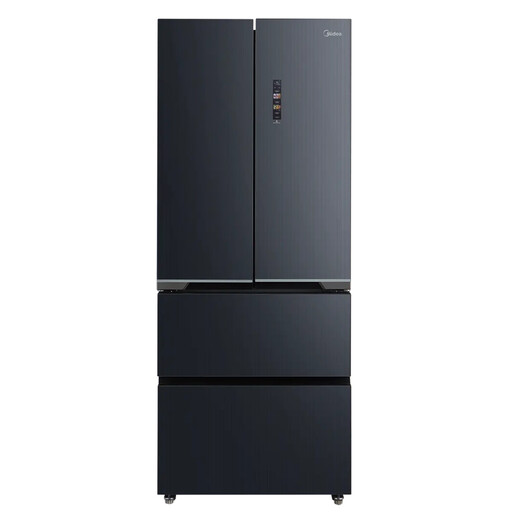 Image unavailable
Consider this format if you need freezer storage alongside fresh ingredients for family meals. The product name specifies Total No Frost, a 60 cm depth, a 75 cm width and an E energy rating. Check the crisper’s usable dimensions and the fridge temperature settings against your salad-storage needs.
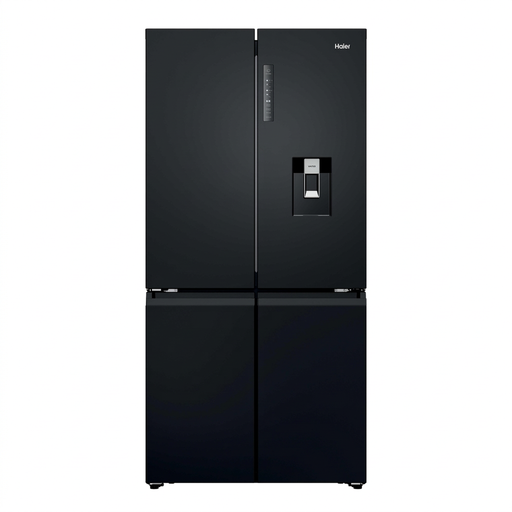 Image unavailable
The four-door, freestanding format is worth considering if you store substantial amounts of fresh and frozen food. Before choosing it for salad leaves, check the vegetable drawers’ dimensions and the exact temperature controls. Allow for the appliance’s size and delivery access.
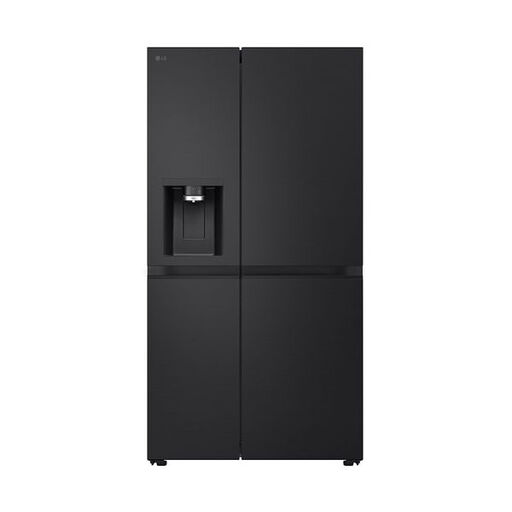 Image unavailable
This American-style fridge-freezer is a choice to assess when one appliance must hold both chilled groceries and frozen food. The product name specifies a D energy rating. Check the usable produce-drawer space, fridge temperature controls and kitchen clearance before deciding.
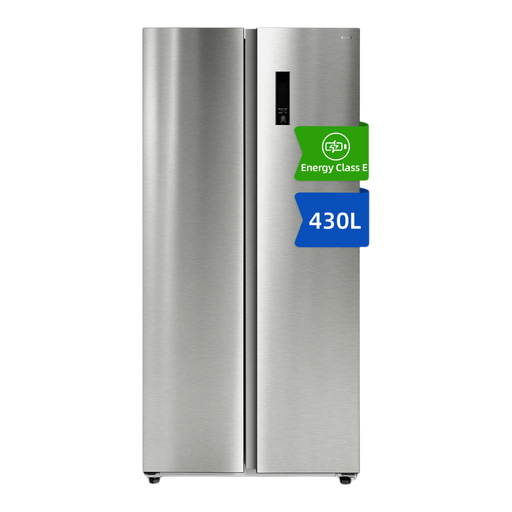 Image unavailable
If a side-by-side layout appeals, check whether its produce storage accommodates your usual salad bags and containers. The product name specifies an 84 cm width, No Frost and an E energy rating. Confirm temperature settings, door clearance and delivery access.
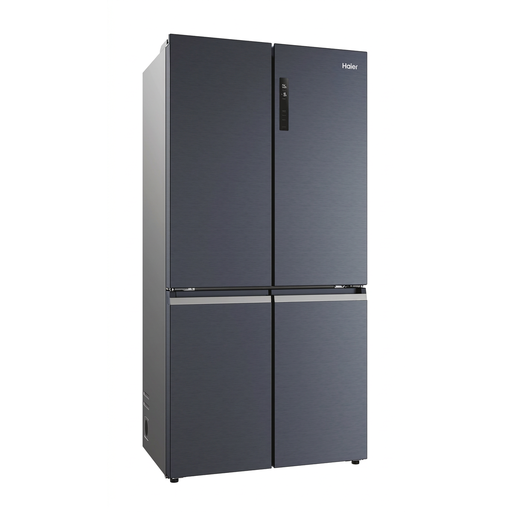 Image unavailable
This freestanding fridge-freezer is another format to assess when fresh and frozen groceries share one appliance. For regular family salads, check the vegetable drawer’s usable space and the fridge temperature settings, then measure the kitchen and delivery route.
Set the fridge to 5°C or below. UK government food-hygiene guidance gives that setting for keeping food cold enough; follow the salad pack’s storage and use-by instructions as well.
No. A humidity-controlled drawer is a model-specific fresh-food feature, not a replacement for chilled storage, hygienic handling or the pack’s use-by date. Check the exact drawer settings in the appliance instructions.
Keep ready-to-eat salad protected from raw-food drips, with raw meat on the bottom shelf. A produce drawer can help organise the food, but check its position and keep the salad protected from contamination.
Not necessarily. A tall larder fridge is worth considering when fresh-food storage takes priority and freezer space is available separately. If one appliance must also hold frozen food, compare fridge-freezers by their actual fridge layout and crisper space.
Check the exact cabinet niche, appliance dimensions, hinges, ventilation requirements and door-panel compatibility against the installation documentation. Two integrated fridges need not fit the same cabinetry merely because their fronts look similar.