
24/7 Customer Support

Free returns

Same-day & Next-day Delivery

Quality Guaranteed

Unlock Your Welcome Offers: FREE Delivery | Up to 80% OFF | Free 30-day JoyPlus trial
Download the APP
Choosing family games should be straightforward, but product descriptions can hide important details. A game may look exciting online yet remain unused if it takes too long to set up, suits only one age group or needs more players than your household usually has.
For UK families, the most useful buying decision comes down to how and where the game will be played. A compact card game may suit holidays and car journeys, while a large board game may work better for weekend family nights. Before buying, check the following common pitfalls.
A box may look suitable for younger children because of its colourful design, but small parts and complicated rules can make it unsuitable. Always check the stated age range and product warning. For example, games marked for ages 6 and up may still require adult supervision, while games for ages 3 and up are generally designed with simpler play in mind.
Age suitability also affects enjoyment. A strategy game aimed at older children may frustrate a preschooler, whereas a very simple children’s game may not hold the attention of teenagers or adults.
Football, unicorn and television-character themes can attract attention, but the theme does not tell you whether the game is competitive, educational, physical or luck-based. Look for the actual play format:
A familiar character may encourage a child to open the box, but the rules and player count determine whether the game will be used regularly.
Some electronic games require batteries that are not included. Others need a stable table, a clear floor or enough room for several players. These details matter in a typical UK home, particularly when storage space is limited.
Check whether the game has a carrying case, a compact tin or an integrated storage solution. For travel games, also consider loose pieces, portability and whether the game can be played comfortably in a hotel room, caravan or holiday cottage.
Treat the stated age as a practical starting point, not just a marketing label. Check for:
For younger children, larger pieces and straightforward instructions can reduce frustration. Keep small game components and Nintendo Switch cartridges away from children under the warning age.
A game for two players will not solve the problem of entertaining a group of six. Likewise, a board game that takes an hour may not suit a weekday evening with younger children.
Check the stated player count and consider whether the game supports:
Games such as quick card games can be easier to bring out regularly, while strategy games may suit families who enjoy planning and repeated sessions.
Look for components that match the intended environment. A metal storage tin is useful for travel, while hardwood blocks or a sturdy board may be preferable for frequent home use. Erasable components can support repeated play without requiring replacement materials.
Replay value may come from changing strategies, random card combinations, different challenges or the social interaction between players. Be cautious about products that rely mainly on a licensed theme without offering varied gameplay.
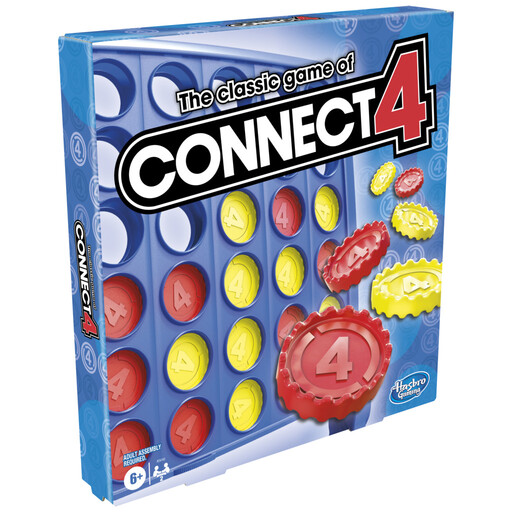
Why This Suits Them: A straightforward choice for families introducing children to board games, with rules that are quick to explain and play for two people.
The stated age is 6 years and over, and the no-battery format avoids recurring battery purchases and electronic set-up.
Simple rules, compact packaging and a strategic grid that encourages blocking and forward planning.
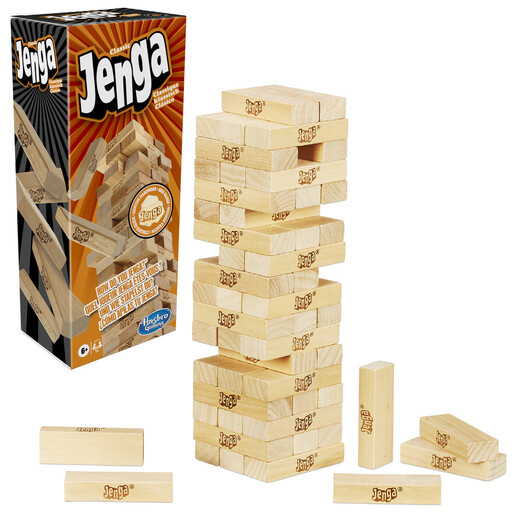
Why This Suits Them: Suitable for households wanting a reusable tabletop game with tactile components and quick, suspenseful turns.
It uses 54 hardwood blocks and needs no batteries, but it should be played on a stable surface as advised in the safety information.
Durable hardwood pieces and rules that can be understood by players aged 6 and over.
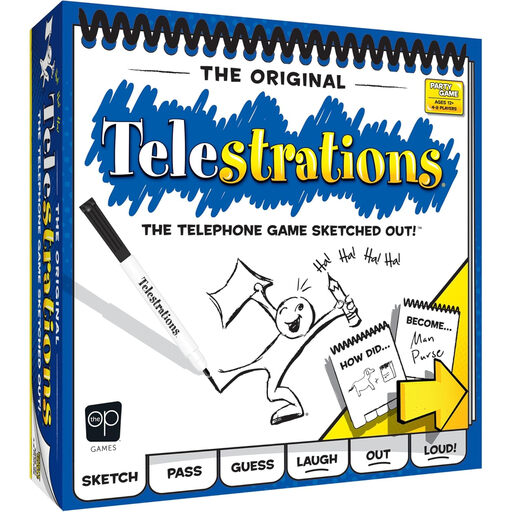
Why This Suits Them: A practical match for parties, family gatherings and groups who prefer social play over traditional competitive board games.
The rules do not require artistic skill, and simultaneous drawing and guessing helps reduce waiting time between turns.
Includes erasable sketch books and dry-erase markers, with a stated age suitability of 8 years and over.
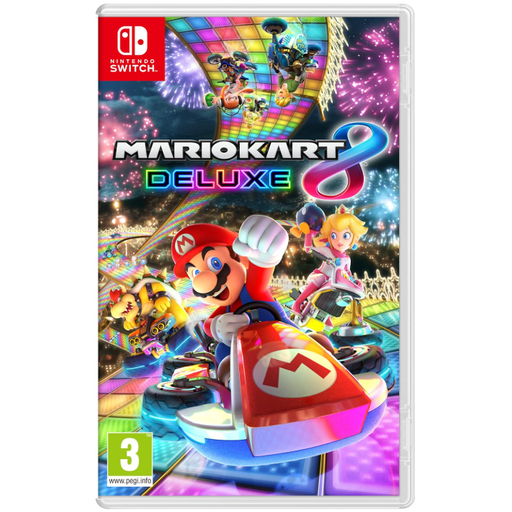
Why This Suits Them: Suitable for families already using a Nintendo Switch and wanting local multiplayer for up to four players.
The local player count is clearly stated, and Smart Steering and Auto-Accelerate provide accessible control options for newer players.
Includes 48 courses and supports local multiplayer on one console; online play requires a Nintendo Switch Online subscription.
For younger children, Orchard Toys My First Snakes and Ladders Game is designed for ages 3 and up, with large pieces and counting-based play. Bluey Pass The Parcel suits active playdates from age 4 and up, but requires two AA batteries and includes small parts.
Football fans can compare a compact football card game with a larger football-themed board game. Meanwhile, Dobble Classic Game uses a portable metal tin and short rounds, making it useful for holidays. For themed family board games, editions based on familiar franchises can add interest, but always compare the age range, player count and rule complexity first.
We have compiled a complete, real-time list of products that fully satisfy these strict selection criteria and UK safety regulations.
Start with the age recommendation, player count, piece size and rule complexity. For children under school age, choose games with short rounds, larger components and simple turn-taking. For older children, strategy games and card games can provide more challenge.
Compact card games, games in metal tins and sets with integrated storage are usually easier to pack. Check the dimensions and whether loose pieces are likely to be difficult to manage during a car journey, train trip or holiday.
Many classic games and board games do not require batteries. Electronic games, interactive plush toys and some electronic board games do. Check the product details carefully to see whether batteries are included, required or sold separately.