What matters when choosing?
Start with the games and the way people will play together. Then decide how children will use accounts and online features before committing to a membership.
Nintendo Switch 2
Consider it when: Your household wants to move between handheld and TV play, or use local wireless GameShare with compatible titles and nearby Switch-family consoles.
Account trade-off: Nintendo says console parental controls apply to everyone using that Switch or Switch 2; many games also require Nintendo Switch Online for online play.
PlayStation 5
Consider it when: Same-room play on a TV and separate child-account settings are central to your plans.
Account trade-off: PlayStation’s child settings depend on children using their own accounts and adults protecting the family-manager account; couch co-op still depends on the game.
Xbox Series X|S
Consider it when: You want Xbox family-group controls and may use Game Pass to explore a changing selection of games.
Access trade-off: Xbox says Game Pass titles and features vary by plan, platform, region and time; check the games you intend to play rather than assuming they are included.
| Concern |
What to check |
Who this matters to |
| Playing together at home |
Check each game’s local player count, required controllers and whether it supports one-screen or local wireless play. |
If we mainly want to play together at home, a game’s actual local mode matters more than a general multiplayer label. Around 36% of consumers would put this shared-play need first. |
| Child accounts and controls |
Check whether controls apply per child or across the console, and how adult account access and purchase approval will be managed. |
When children of different ages share a device, I need settings that fit each person without relying on an adult account. For around 36% of consumers, managing child access is the primary concern. |
| Online play with known people |
Check the intended game’s online access requirements and its friend, matchmaking and voice or text-chat settings. |
I want my child to play with friends or relatives, but I also need to understand who else the game lets them contact. Controlled online play comes first for around 21% of consumers. |
| Ongoing game access |
Check membership coverage, renewal terms and whether the games you want are included in the current catalogue. |
If we expect to try different games regularly, continuing access matters more than choosing just one title now. Around 7% of consumers would make that their main priority. |
Joybuy console choices
These Nintendo Switch 2, PlayStation 5 and Xbox Series X consoles represent different ways to set up family gaming at home. Choose the games and account arrangement first: the console model alone does not establish a game’s local player count, online requirements or chat permissions.
 No image available
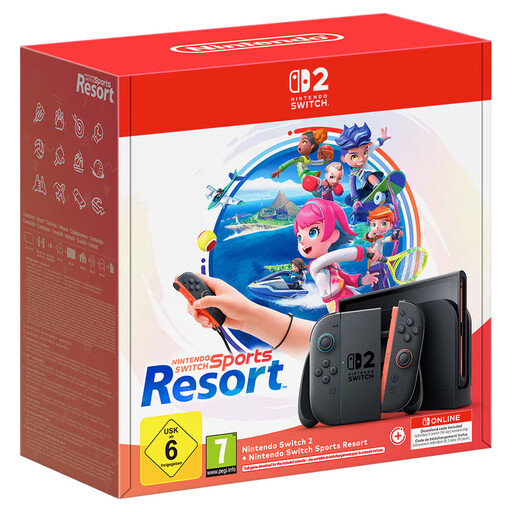
Nintendo Switch 2 Console + Nintendo Switch Sports Resort
Consider this bundle if your household wants Switch 2 play with the named game. Check that Nintendo Switch Sports Resort supports the local mode and player count you need; the game’s inclusion does not establish those features.
Nintendo says Switch 2 GameShare works only with compatible games. Its console parental controls apply to all users, and many online games require Nintendo Switch Online; check the included membership terms before relying on continuing access.
Joybuy
 No image available
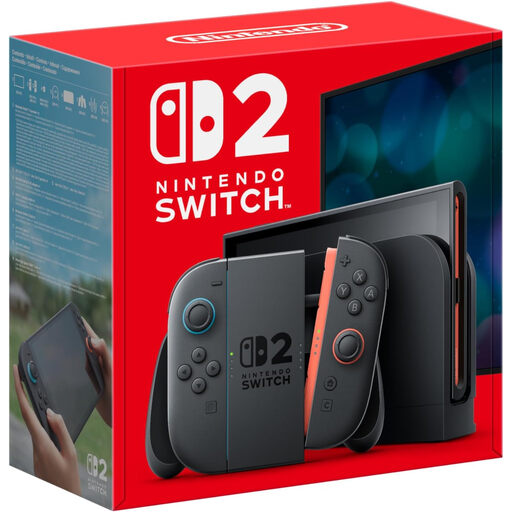
Nintendo Switch 2 Console (UK Version)
Consider this Switch 2 console if handheld and TV play both matter to your household. Check the contents of this listing and select games that support the local player count you want.
GameShare is limited to compatible titles and participating consoles. Nintendo’s console parental controls apply to every user, while online play in many games requires Nintendo Switch Online.
Joybuy
 No image available
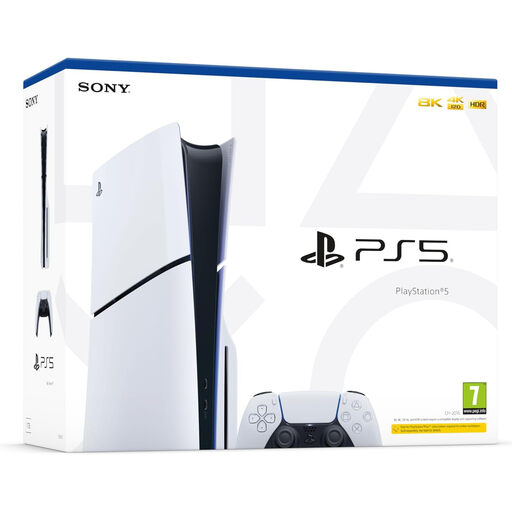
Sony PlayStation 5 Console – Disc Edition Slim
Consider this disc-edition PS5 for TV-centred family gaming if the games you want support the right same-room player count. Check each game’s controller needs and online requirements separately.
PlayStation’s family management offers child-account settings for content, communication, playtime and spending. Set up a separate child account for each child using its online services and secure the adult family-manager account.
Joybuy
 No image available
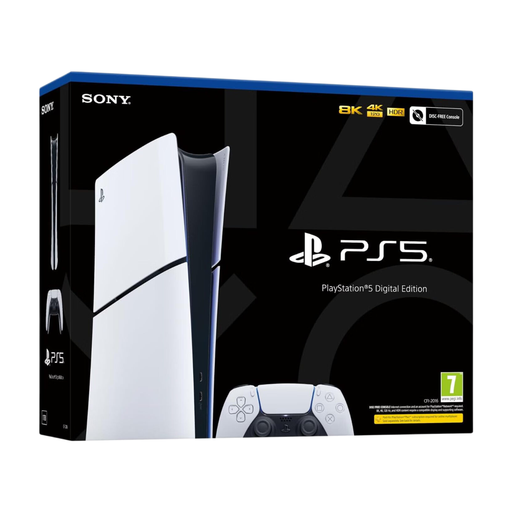
Sony PlayStation 5 Console – Digital Edition Slim
Consider this PS5 for TV-centred play if your household plans to access games digitally. This Digital Edition does not include a disc drive; check that your intended games support the local player count and modes you need.
PlayStation’s child-account controls require separate child accounts and a protected family-manager account. Check controller, online-access and communication requirements for each game.
Joybuy
 No image available
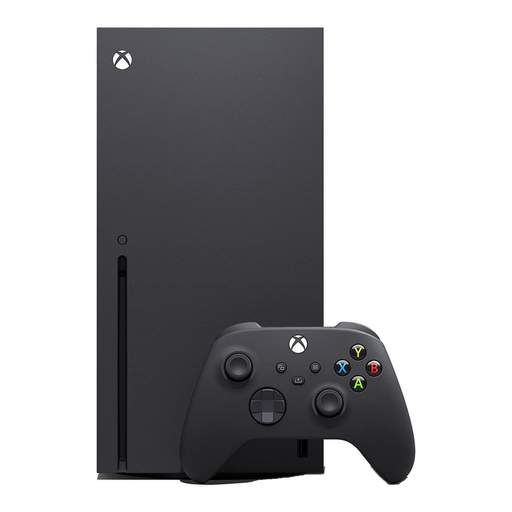
Xbox Series X Console 1TB – Black
Consider this 1TB Xbox Series X if Xbox family-group settings suit your household’s account plans. Check whether the particular games you want support local players and what controllers or online access they require.
Xbox organisers can manage child members’ content, purchase and interaction settings. If Game Pass is part of your plan, check its current catalogue and membership terms rather than assuming a particular game will remain available.
Joybuy
Questions families ask
What can a PEGI rating tell me about a game for my child?
A PEGI rating helps you assess a game’s age classification, but it does not tell you whether its multiplayer and communication features suit your household. UK government online-gaming guidance points families to age ratings; also check the game’s content information, chat settings and player modes before choosing it.
Can children play online only with people they know?
You can restrict communication and privacy settings, but you should check each game’s matchmaking and chat features before assuming all contacts will be known. Review friend permissions and voice or text chat alongside the platform’s child-account settings, then revisit them when a new game is added.
Does each child need a separate account on a shared console?
Separate accounts are important when you need child-specific settings, and PlayStation says each child needs a child account for its online services. Xbox manages child family-group members individually; Nintendo says Switch and Switch 2 console parental controls apply to everyone using that console, so check which restrictions will affect older players too.
Does Nintendo Switch Online family membership cover everyone on one console?
No: Nintendo says sharing a console does not automatically give every user family-membership access. Eligible Nintendo Account users must be added to the family group; check each intended game’s online requirements as well, because membership is required for many, but not all, online games.
Can Game Pass replace choosing the games my family wants?
No: check your intended games against the current catalogue before relying on Game Pass for them. Xbox says titles and features vary by plan, platform, region and time; you must still check each game’s age rating, local player count and online requirements.


