What matters when choosing?
Choose the pointing style around your main task and preferred hand position, then check scrolling, button reach and cursor control in your own two-screen layout.
Conventional productivity mouse
Choose when: You want familiar pointer control while moving through long record pages and using frequent shortcuts.
Trade-off: A sculpted shape and button layout still need to suit your hand; faster scrolling is not always helpful when stopping on a particular entry.
Vertical mouse
Choose when: You prefer a more upright grip and can find a model that fits your hand and handedness.
Trade-off: The unfamiliar shape may take time to assess, and it cannot replace a suitable workstation setup.
Trackball
Choose when: You want the device to stay in place, particularly where desk space for mouse movement is limited.
Trade-off: Controlling the pointer with a thumb or fingertips is a different technique; try it if you are unsure about comfort or precision.
| Concern | What to check | Who this matters to |
|---|
| Long-page navigation |
Check whether the wheel supports both quick travel and controlled stopping on a record entry. |
When I scan lengthy registers and result lists, I want to move quickly without losing the line I need. Around 31% of consumers put navigation speed first. |
| Hand position |
Check hand-size guidance, handedness and button reach; assess the mouse alongside your desk and screen setup. |
During extended reading and note entry, I care most about whether the grip and controls feel manageable for my hand. Comfort is the main concern for around 31% of consumers. |
| Repeated commands |
Check button placement and whether the required software supports your operating system and usual commands. |
As I log sources, I want easy access to the browser and application actions I repeat most. Around 23% of consumers prioritise shortcuts. |
| Desk and device setup |
Check available desk space, connection requirements and whether you need to switch between separate devices. |
With little room to move a mouse, or more than one computer in use, I need controls that fit my workspace. Setup flexibility comes first for around 15% of consumers. |
Joybuy product choices for two-screen research
These mice cover familiar wireless pointer control and vertical-grip options for researching records across two displays. Choose by the shape, navigation controls and connection your setup calls for.
 No image available
Logitech MX Master 3S Mouse, Black
Consider this conventional productivity mouse if scrolling through lengthy records and assigning frequent commands matter to you. Logitech specifies an adjustable 8,000-DPI sensor for MX Master 3S; set pointer speed for your display layout rather than relying on its maximum setting. Check the shape and wheel feel for your hand and precise record selection.
View on Joybuy
 No image available
HP 920 Ergonomic Wireless Mouse, Black, with Detachable Wrist Rest
Consider this option if an upright grip is your priority while working through records. The named variant includes a detachable wrist rest; check hand fit, button reach and wheel behaviour for both long pages and individual entries.
View on Joybuy
 No image available
V7 MW500BT Bluetooth Vertical Mouse, 2.4 GHz, 6 Buttons
Consider this vertical design if you want an upright grip and browser navigation controls. The named model offers Bluetooth and 2.4 GHz connection options and an adjustable sensor up to 1,600 DPI. Check hand fit and whether the wheel gives you enough control over long records.
View on Joybuy
 No image available
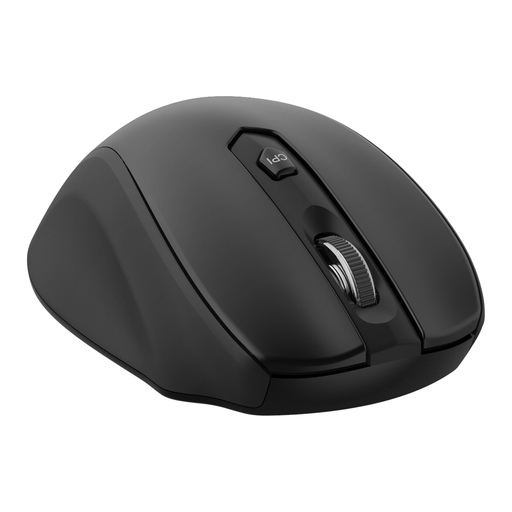
ET 2.4G Wireless Mouse, Black, USB Receiver, 5 DPI Levels
Consider this conventional wireless mouse if adjustable pointer speed and basic browser navigation cover your routine. The named variant has a USB receiver and five DPI levels. Check its hand fit and wheel behaviour before choosing it for extended record reading.
View on Joybuy
Common questions
Do two screens require a special mouse?
No: using two displays does not require a special dual-monitor mouse. Arrange the displays in your computer’s operating system, then choose cursor sensitivity, scrolling and grip to suit how you move between records and notes.
Should I choose a vertical mouse or a trackball for long research sessions?
Choose a vertical mouse if its upright grip fits your hand and handedness; consider a trackball if keeping the device stationary suits your desk and you are comfortable with thumb or fingertip control. Neither shape guarantees comfort, so assess fit and button reach where possible.
Will a higher DPI setting make it easier to use two monitors?
Not automatically. Adjustable sensitivity lets you set cursor movement for your display arrangement, but a setting that feels too fast can make selecting a particular name or record harder. Start with a controllable setting and adjust it to your task.
What if family-history research is part of my work?
Consider the whole workstation, not just the mouse. The UK Health and Safety Executive’s display-screen-equipment guidance calls for attention to equipment, furniture and working conditions; if discomfort occurs at work, ask about a workstation assessment.


