Frequent family pasta cooks
If pasta is a regular household meal, a larger pack may mean fewer repeat purchases. Choose a shape you can use across the soft, moist dishes your household actually makes.


For ordinary family meals where a softer texture is preferred, a larger dry-pasta pack makes sense if you will use the same pasta regularly. Cook and serve it as a soft, moist dish without hard or chewy additions. If someone has swallowing difficulties or a prescribed IDDSI texture level, choose and prepare the finished meal according to their clinical advice rather than relying on its pasta shape or pack size.
If pasta is a regular household meal, a larger pack may mean fewer repeat purchases. Choose a shape you can use across the soft, moist dishes your household actually makes.
For a more comfortable-to-chew ordinary meal, focus on the prepared pasta and its additions rather than the brand or pack size. Kent Community Health NHS Foundation Trust advises avoiding hard, dry, tough, stringy or chewy foods in easy-to-chew meals.
If someone has swallowing difficulties, choking concerns or a prescribed texture level, follow their individual advice for the finished dish. Royal Berkshire NHS Foundation Trust says its dysphagia recipes should be used alongside tailored speech and language therapy and dietetic advice.
Decide whether this is an ordinary softer meal or one that must meet prescribed texture guidance. Then choose a pack size and ingredients that work for the meals you will prepare.
| Concern | What to check | Who this matters to |
|---|---|---|
| Finished-meal texture | Plan how to serve the pasta soft and moist. If a texture level is prescribed, check the requirements for the completed dish with the person’s clinician. | If I am cooking for someone who needs softer food, the dish as served matters more than its dry shape. About 36% of consumers put finished-meal texture first. |
| Pack size | Compare the labelled weight with how often you cook that pasta style. Tesco Groceries lists 1 kg spaghetti and 3 kg fusilli; Marks & Spencer lists several 1 kg shapes. | When pasta is on the family menu repeatedly, I want enough of a familiar shape without committing to one we will not use. Pack size is the primary concern for about 29% of consumers. |
| Sauce and meal format | Check whether the sauce and any additions suit the intended meal, including whether they introduce hard or chewy pieces. | If I need a straightforward family meal, I want pasta and sauce that I can prepare and serve together in the required texture. About 21% of consumers prioritise this meal-planning need. |
| Ingredients and allergens | Read the current ingredients and allergen information on the exact pasta, sauce and topping packs. | Before choosing a larger quantity, I need to know that every part of the meal fits the eater’s ingredient requirements. For about 14% of consumers, that check comes first. |
Neither a pasta shape nor a smooth sauce establishes that a completed dish meets a prescribed texture level. IDDSI describes Level 7 Easy to Chew as soft or tender everyday food for someone with sufficient biting and chewing ability.
Establish whether you are making an ordinary softer meal or following clinical instructions. For a prescribed diet, follow the specified level and assess the food as served.
A larger pack is less useful if the household does not like that shape cooked to its preferred softness or served with its usual sauce.
Try a smaller pack while you settle on a preparation, then consider a larger format for repeat meals.
Sauce can help make an ordinary pasta dish moist, but the pasta and every addition still affect the texture of the finished meal.
If texture modification has been prescribed, follow the person’s clinical guidance for the whole dish.
Pasta, sauces and toppings can have different ingredients, and the pack you are buying is the one that matters.
Read the current ingredients and allergen information on each exact product before preparing the meal.
Tesco Groceries lists own-brand dried pasta in larger formats, including 1 kg spaghetti and 3 kg fusilli.
Marks & Spencer lists 1 kg fusilli, penne and spaghetti alongside other pasta lines.
Barilla UK describes its spaghetti as a versatile shape; its cited classic spaghetti product is a 500 g pack.
Dolmio is relevant to the sauce choice rather than the dry-pasta pack choice; its range includes smooth tomato bolognese and stir-in tomato-and-basil sauces.
These dried-pasta options include multi-packs for repeat household cooking and a single 500 g pack for trying a spaghetti meal. Choose the finished texture and sauce for the eater; none of the pack formats establishes clinical suitability.
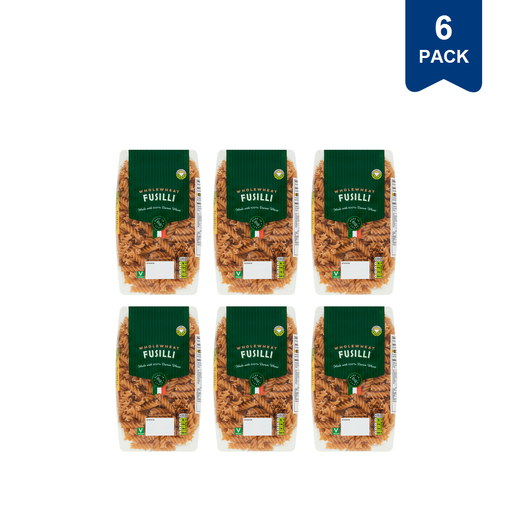 Image unavailable
Consider this multi-pack if your household repeatedly uses wholewheat fusilli. Check the exact pack’s ingredients and allergens, and judge the cooked pasta with its sauce as a complete meal.
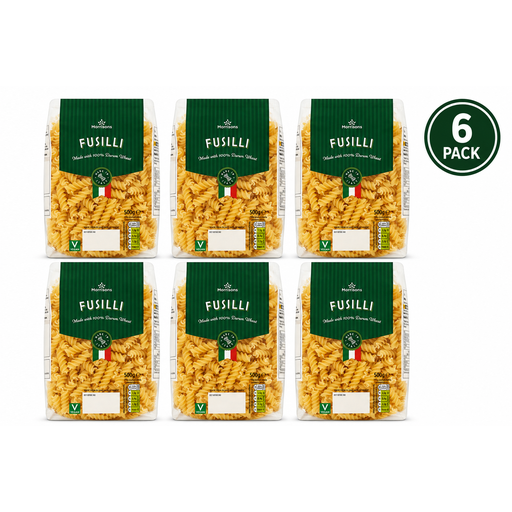 Image unavailable
This multi-pack suits repeat cooking if fusilli works in your household’s meals. Confirm the current ingredients and allergens, then check whether the prepared dish has the texture the eater needs.
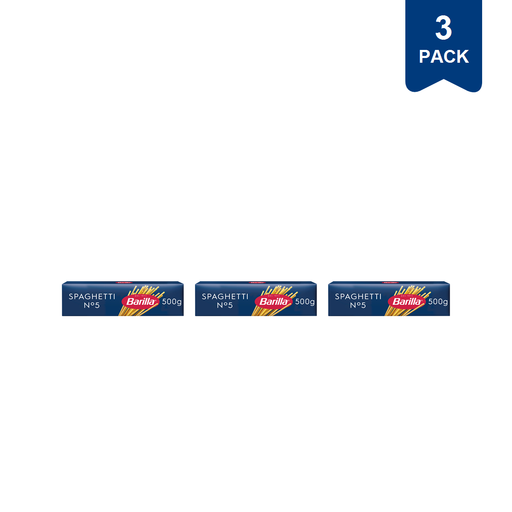 Image unavailable
Choose the three-pack if spaghetti is already a shape your household uses for repeat meals. Its pack format does not determine how easy the served dish will be to chew; check the current allergen information and finished texture.
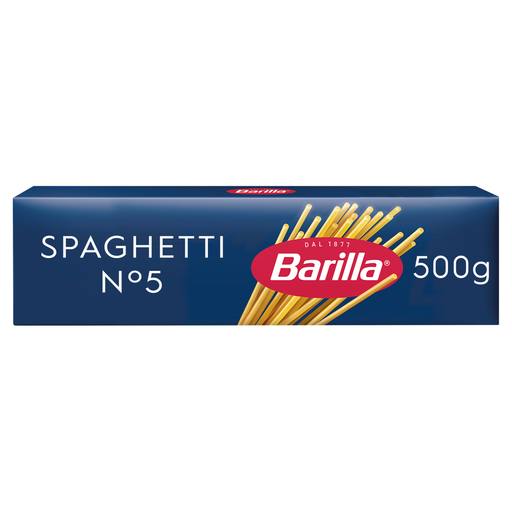 Image unavailable
The single pack lets you try a spaghetti-and-sauce meal before committing to more of the same pasta. Read its current ingredients and allergens, and assess the prepared dish rather than assuming the shape meets an easy-chew need.
No. Pack size changes how much dry pasta you buy, not the texture of the served dish. For an ordinary softer meal, consider the cooked pasta, sauce and additions together; follow individual clinical advice if a texture level has been prescribed.
It may be considered only as part of a finished meal that meets the person’s instructions. The International Dysphagia Diet Standardisation Initiative describes Level 7 Easy to Chew as soft or tender everyday food, and The Royal Wolverhampton NHS Trust notes that the person still needs sufficient chewing ability. Do not assume an ordinary pasta product meets a prescribed level on its own.
Dolmio’s bolognese recipe uses 100 g of dry pasta per person as cooking guidance. Use your household’s usual portions to judge how long a pack will last; the recipe amount is not an individual dietary prescription.
Read the current ingredients and highlighted allergens on the exact pasta, sauce and topping packs you plan to use. Check each product rather than assuming that different shapes, sauces or repeat purchases have identical ingredients.