Festival-camping families cooking breakfast
You need enough dry oats for several shared breakfasts, a pack that is easy to portion and protect from damp, and a method that works with a camp stove or permitted microwave access.


For most festival-camping families, plain dry rolled oats in a 1kg or larger pack are a practical choice when you can boil water and keep the pack protected from damp. Choose quick-cook oats when morning preparation matters most, and choose explicitly gluten-free labelled oats only where that dietary requirement applies.
You need enough dry oats for several shared breakfasts, a pack that is easy to portion and protect from damp, and a method that works with a camp stove or permitted microwave access.
Quick-cook oats can suit a breakfast plan with less waiting before festival activities, provided the larger pack is manageable to carry and store.
Choose an oat product explicitly labelled gluten-free where needed, and read the current allergen statement. Standard oats and products carrying wheat or barley warnings are not interchangeable with gluten-free oats.
Start with the number of breakfasts and your cooking setup, then check storage and dietary requirements before choosing a pack format.
| Priority | What to check | Your needs |
|---|---|---|
| Pack size and portions | Check net weight, the stated serving size and whether the bag can be split into smaller sealed portions. A cited 1kg pack gives 25 portions at 40g each. | I need enough oats for every planned breakfast without carrying a bag that is too large for the trip. |
| Cooking method | Check whether the pack gives hob, microwave or water-based instructions. Match cooking time to the fuel, pan, bowl and permitted facilities at your campsite. | A fast breakfast matters when we are leaving the campsite early, while a standard rolled oat can suit us if we have time to simmer it. |
| Dry storage | Choose a pack you can reseal or transfer to an airtight container. Keep opened oats dry and protected from pests and repeated opening. | I want a dry breakfast staple that can stay organised in a tent or vehicle throughout the festival. |
| Dietary requirements | Read the current allergen statement and select an explicitly gluten-free labelled product only where required. Gluten-free labelling does not remove the oat allergen. | Someone in our group needs a suitable oat product, so I cannot treat ordinary oats as a substitute. |
A 2kg or 3kg bag is useful only if it can remain sealed or be divided into clean airtight portions once opened.
Pack a food-safe airtight container or several smaller resealable bags, and choose a pack size that fits the number of breakfasts and your transport capacity.
Standard oat products can carry wheat or barley warnings, and oats remain an allergen even when a product meets gluten-free labelling conditions.
For a person who needs gluten-free food, buy only an explicitly gluten-free labelled oat product and check the current pack's allergen statement before travelling.
Milk needs a separate safe-storage plan, while dry oats can form the base of a breakfast plan that does not rely on chilled food.
Use dry oats and water where reliable chilled storage is not available, and take milk only when you can keep it safely chilled.
Quick-cook flakes are designed for faster liquid absorption, while standard rolled oats may need more cooking time. The format changes both morning effort and texture.
Choose quick-cook oats for speed, or rolled and jumbo oats when you have time for a more textured bowl or want oats for baking. Check the exact pack instructions before packing.
A UK oat specialist with traditional, jumbo, organic, gluten-free and quick-cook formats, including multi-kilogram Creamy Superfast Oats options.
A broad porridge brand offering traditional rolled, jumbo, gluten-free, sachet and pot lines. Its Traditional Rolled Oats are listed in 500g, 1kg and 1.5kg packs.
An organic and traditional oat brand with a 1kg organic rolled-oat option for families seeking a plain organic bag rather than a flavoured convenience product.
A cereal brand with organic porridge and protein-oat lines for buyers comparing organic plain rolled oats with more specialised breakfast mixes.
A retailer own-label route for basic rolled oats, Scottish oats and a 1kg gluten-free option, useful when a clearly labelled dietary variant matters.
Joybuy product options for family festival breakfasts, including plain organic oats, gluten-free labelled oats, standard rolled oats and portioned sachets.
 No image available
Two separate 1kg packs can help a family organise several shared breakfasts while limiting repeated opening of one bag.
Listed as 100% organic whole-grain oat flakes. Keep each opened pack sealed and dry; this product is not gluten-free labelled. Check the current pack for cooking instructions before travel.
 No image available
An option for a festival group that needs explicitly gluten-free labelled oats and a manageable 1kg supply.
The listing states 25 portions and 100% gluten-free oat flakes. Oats remain an allergen, so recheck the current pack statement and preparation instructions before travelling.
 No image available
A more compact organic plain-oat option for a shorter family festival trip.
Listed as 100% organic whole-grain oat flakes, with a 40g serving basis. It is not gluten-free labelled, and a single 1kg bag may not cover a larger group or longer stay.
 No image available
A plain rolled-oat option for families with a stove or permitted microwave at the campsite.
The listing gives a 40g portion with 200ml water or milk, with 4–5 minutes on the hob or 2–3 minutes in a microwave. It may contain wheat and barley and is not a gluten-free substitute.
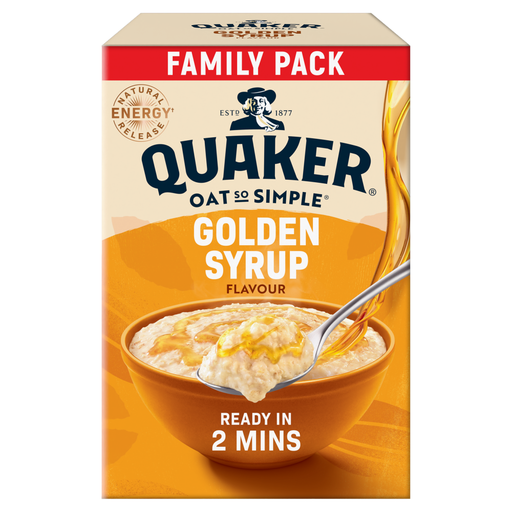 No image available
Individual sachets can help keep unopened portions organised where a permitted microwave and suitable milk storage are available.
The box contains 20 individual 36g sachets and the listed method takes 2 minutes at 900W with milk. It contains sugar and salt, and may contain barley, wheat and soya.
Use the stated serving size as a starting point. A cited 1kg plain-oat pack provides 25 servings at 40g each, while a 3kg supply is about 75 portions on the same basis. Allow for different appetites and spillages, but take only what you can keep dry and sealed.
Take milk only if you can keep it safely chilled for the time you need it. If that is not practical, base the breakfast plan on dry oats and check whether your chosen pack has suitable water-based cooking instructions.
Do not assume so. Choose a product explicitly labelled gluten-free and check the current pack. The Food Standards Agency states that gluten-free food must contain no more than 20mg/kg gluten as sold, while oats remain an allergen in their own right.
Keep oats in a sealed, dry container or tightly closed original bag, away from strong odours and pests. The Food Standards Agency advises campers to consider predominantly dry foods where chilled storage cannot be maintained, and sealed containers help protect opened supplies.