Family pasta-meal planners
If you cook pasta regularly, a larger pack makes it worth checking how its shape fits your usual sauces or pasta bakes, how you will portion it and where you will store it.


Choose a family-size dried-pasta pack for cooked meals or pasta bakes, not as a substitute for the flour in a bread recipe. Check the recipe’s flour requirement separately, then choose pasta by pack quantity, shape, ingredients, allergen declaration and storage instructions.
If you cook pasta regularly, a larger pack makes it worth checking how its shape fits your usual sauces or pasta bakes, how you will portion it and where you will store it.
If bread ingredients and pasta are on the same shopping list, keep the recipe’s specified flour separate from dried pasta intended for cooking.
If someone needs to avoid wheat or gluten, check the declaration on the particular pack rather than assuming a pasta shape or family-pack size indicates its ingredients.
Start with the bread recipe’s ingredient list. Once the flour is accounted for, choose dried pasta for the meals you actually plan to cook.
| Concern | What to check | Who this matters to |
|---|---|---|
| Correct ingredient for dough | Check whether the recipe calls for flour; dried pasta and milled pasta flour are different products. | I need to make bread, so buying a large pasta pack will not cover the flour on my recipe’s ingredient list. About 50% of consumers would put the correct dough ingredient first. |
| Pasta quantity | Compare the quantity in each pack or multipack. Tesco’s penne page gives 75 g of dry pasta per person as a product-specific planning guide. | For repeated family pasta meals, I want a quantity I can use and store. Roughly 30% of consumers would prioritise their pasta supply. |
| Shape for planned dishes | Check the shape against the meal: Tesco and Sainsbury’s describe their hollow, ridged penne as suitable for holding sauce. | If pasta bakes or sauce-led dishes are the plan, the shape matters more to me than pack size alone. Around 20% of consumers would make meal fit their primary concern. |
A bag of dried pasta is for cooking as pasta; it does not supply the milled flour specified by a bread recipe.
Read the recipe before shopping and buy its specified flour separately from any pasta intended for meals.
A pasta purchase may still leave you needing a separate flour ingredient.
A large pack may last across several meals, but its shape still needs to fit what you intend to cook. Tesco and Sainsbury’s describe their penne as hollow and ridged for sauce-led dishes.
Plan the meals first, then check the shape, pack quantity and cooking instructions.
The standard durum-wheat pasta examples contain wheat. The Food Standards Agency identifies wheat-containing cereals as a source of gluten in pasta, and individual products may carry further allergy warnings.
Check the current declaration on the specific pack, particularly when several people will share it.
Tesco lists 1 kg dried penne and macaroni for cooked pasta meals.
Sainsbury’s lists a 1 kg penne pack for pasta meals and baked dishes.
M&S lists both 1 kg dried fusilli and a separate 1 kg 00 Pasta Flour, making the product-form distinction clear.
Dolmio’s UK range is relevant here as pasta sauce to serve with a cooked pasta meal.
These multipacks are options for repeated cooked pasta meals alongside a bread-baking shop. Choose the flour required by your bread recipe separately.
 No image available
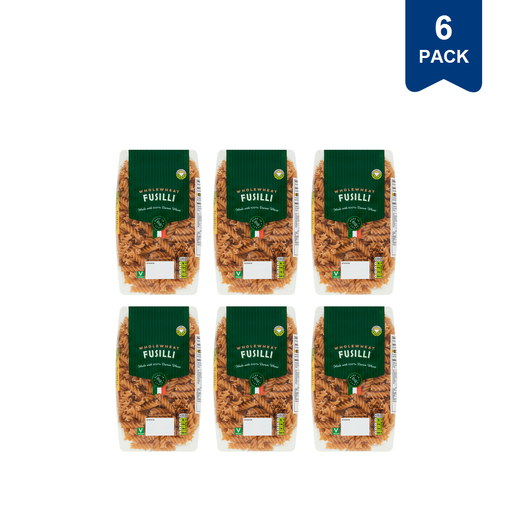
For households planning several cooked pasta meals. The bundle contains six 500 g packs of wholewheat fusilli; it does not replace the flour specified for bread. Check the current pack declaration if allergens affect your choice.
 No image available
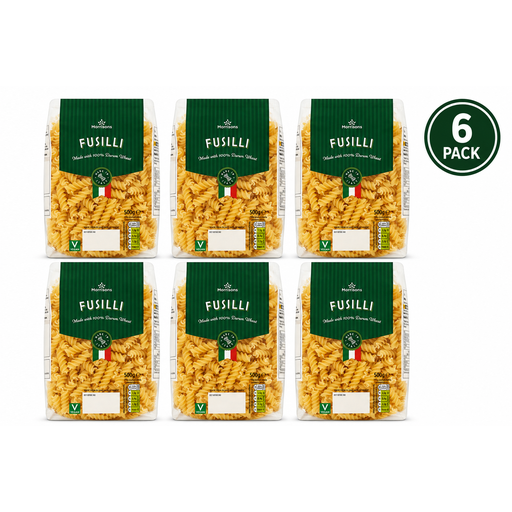
For stocking dried fusilli for repeated pasta meals. The bundle contains six 500 g packs. Keep the bread recipe’s flour on your shopping list separately, and check the pack’s current allergen declaration.
 No image available
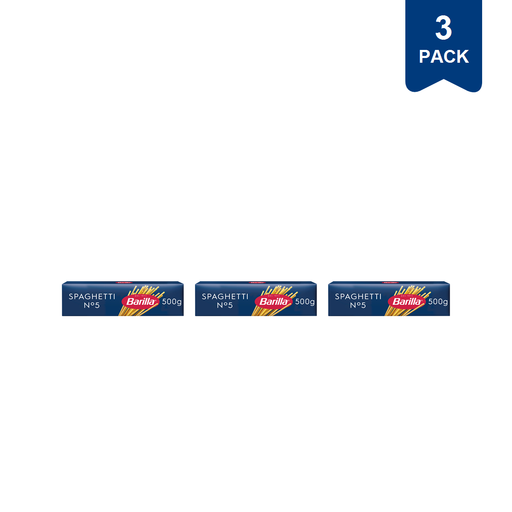
For households planning spaghetti meals rather than looking for a dough ingredient. The bundle contains three 500 g packs. Check the current allergen declaration, particularly if mustard or soya matters to your household.
Not as a direct substitute for the ingredient on a bread recipe’s shopping list. The Tesco and Sainsbury’s examples are dried pasta for cooking, whereas M&S 00 Pasta Flour is separately milled. Buy the flour specified by your recipe; M&S describes its flour for pasta and pizza bases, which does not establish that it suits every loaf.
Use the particular pack’s serving guidance as a planning aid. Tesco suggests about 75 g of dry penne per person, while Sainsbury’s describes its 1 kg penne pack as approximately 11 servings. The amount you use will also depend on the meal.
Read the ingredients and allergen declaration on the specific product. The dried-pasta examples made from durum wheat semolina contain wheat, and the Food Standards Agency identifies wheat-containing cereals as a source of gluten in pasta. M&S states that its 00 Pasta Flour is unsuitable for coeliacs.
Follow the instructions on the pack you buy. Tesco, Sainsbury’s and M&S instruct shoppers to keep their listed dried pasta in a cool, dry place; plan cupboard space before choosing a larger pack or multipack.