Who this suits

Hosts serving cereal as one brunch course

For hosts who need enough cereal for several people without treating it as the whole meal. Use the declared serving size, multiply it by likely cereal eaters, then account for other brunch food before choosing the largest box.

Hosts building a toppings-and-cereal bar

For groups combining cereal with fruit, yoghurt, milk or plant-based alternatives. Plain wheat biscuits or oats can provide a flexible base, while muesli brings fruit and texture but may need more allergen planning.

Hosts accommodating dietary and allergy needs

For hosts who cannot assume one cereal suits everyone. Check the current pack before serving, as wheat, barley, oats, peanuts, tree nuts and milk appear in the researched examples.

What to check before buying

Priority What to check Your needs
Enough servings Use the declared serving weight or biscuit count. Multiply it by likely cereal eaters. Compare the pack’s stated servings with the rest of the brunch menu. I want enough for guests who choose cereal without buying for every person as though cereal were the only dish.
Fibre and cereal type Compare fibre on the stated serving basis. Check whether the cereal is wholegrain wheat, oats or a mixed muesli. Compare like-for-like portions rather than relying on the brand name. A plain wholewheat biscuit, shredded wholegrain cereal or porridge oat base can suit a brunch spread where I want to add toppings separately. The NHS lists these as higher-fibre breakfast choices.
Nutrition labels Compare nutrition per 100g and per serving. Check sugars, salt, fat and calories on the exact packs. Use traffic-light labelling as a quick comparison where it appears. I want to compare the actual cereals on the table, not assume that similar-looking boxes have the same nutrition. Food Standards Agency guidance says traffic lights can help compare calories, fat, sugars and salt at a glance.
Allergens and dietary fit Read ingredients, highlighted allergens and any “may contain” statement on every current pack. Keep allergen-containing cereals separate. Use separate serving utensils for each option. I need a cereal table that does not rely on memory of a previous recipe or pack. Wheat, barley, oats, peanuts, tree nuts and milk can all matter in a mixed group.

Common buying mistakes

  • Treating “family size” as a fixed number of bowls

    Serving sizes differ by cereal and guest appetite, so pack weight alone can lead to too little cereal or unnecessary leftovers.

    Use the exact labelled serving weight or count, multiply it by expected cereal eaters, and adjust for other brunch dishes.

  • Assuming all cereal is nutritionally interchangeable

    Different varieties can have very different sugars and fibre per serving, including cereals from the same brand.

    Compare the exact packs on the same basis, preferably per 100g and per declared serving. Where shown, traffic-light information provides a quick comparison of calories, fat, sugars and salt.

  • Overlooking allergens in muesli and flavoured cereals

    Nuts, peanuts, milk, wheat, barley and cross-contact statements occur across the cereal examples, and a shared scoop can transfer ingredients between bowls.

    Ask about declared allergies in advance, read every current pack, keep allergen-containing products apart and provide separate serving utensils.

  • Using outdated online listings as proof of price or availability

    Retailer listings and promotions can change, so an old listing is not a dependable plan for a brunch shop.

    Use pack size, ingredients and nutrition information for planning, then check the retailer or physical pack for current availability, dates and final ingredients before purchase.

Relevant cereal brand references

Weetabix

Wholegrain wheat-biscuit cereal for a simple cold cereal base that can be scaled with toppings for a shared brunch.

  • Weetabix states that two biscuits, a 37.5g serving, provide 3.8g fibre and 1.6g sugars.
  • It contains wholegrain wheat and malted barley extract, so it is not a wheat- or gluten-free option.

Nestlé

A broad cereal range; Shredded Wheat Original is the directly evidenced option for a simple wholegrain wheat cereal.

  • Nestlé Cereals states that Shredded Wheat Original is made from 100% wholegrain wheat and provides 6.3g fibre per stated 45g serving.
  • The product contains gluten and may contain peanuts and nuts, so the current pack needs checking before serving guests with allergies.

Quaker

Rolled oats for hosts able to offer porridge, overnight oats or a hot cereal station rather than only ready-to-pour cereal.

  • Quaker Traditional Rolled Oats are available in 500g, 1kg and 1.5kg packs, with a stated preparation basis of 40g oats to 300ml liquid.
  • The product may contain wheat and barley, and a hot or overnight-oat option requires liquid and preparation time.

Alpen

Fruit-and-nut muesli for a self-serve brunch table where built-in texture and toppings are wanted.

  • Alpen Original is sold in a 950g pack containing approximately 21 stated 45g servings.
  • It contains wheat, oats, milk, almonds and hazelnuts, and may contain other nuts.

Dorset Cereals

Muesli for guests who want fruit, seeds and nutty texture, including a researched no-added-sugar option.

  • The researched Simply Delicious No Added Sugar Muesli is labelled vegan and lists 4.0g fibre and 6.6g sugars per 45g portion.
  • The specific product contains Brazil nuts, hazelnuts, wheat, barley and oats, and the retailer warns of occasional hard natural fragments.

Kellogg's

A broad range that can provide a familiar sweeter or lighter-textured alternative alongside a more fibre-focused cereal.

  • Kellogg’s advises starting with serving size and says people commonly eat 30g to 50g of cereal in one bowl.
  • Nutrition varies substantially by product: the cited Frosties serving lists 11g sugars and 0.6g fibre per 30g, while the cited Rice Krispies serving lists 2.4g sugars and 0.9g fibre per 30g.

Joybuy cereal options

Joybuy product options for a shared brunch cereal table, including large oat packs, wheat cereal and muesli.

Scotts Porage Oats Original Porridge Oats 1kg

Scotts Porage Oats Original Porridge Oats 1kg

A 1kg option for hosts offering porridge or a toppings bar, with 25 stated portions for planning a group batch.

100% oatmeal; 3.6g fibre per stated 40g portion. Requires hot water or milk preparation and may contain wheat and barley.

Joybuy
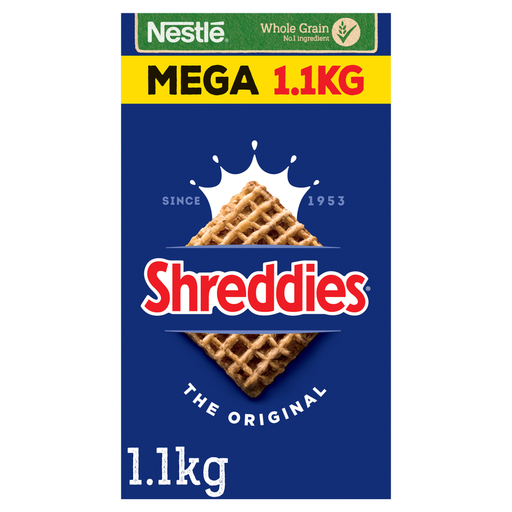
Nestlé Shreddies Original Malted Wheats Breakfast Cereal 1.1kg

Nestlé Shreddies Original Malted Wheats 1.1kg

A ready-to-serve large cereal option for a brunch table where guests can add cold or hot milk.

1.1kg pack; 40g serving basis; 4.8g fibre per serving; 96.1% wholegrain wheat. Contains wheat and barley and may contain peanuts and nuts.

Joybuy
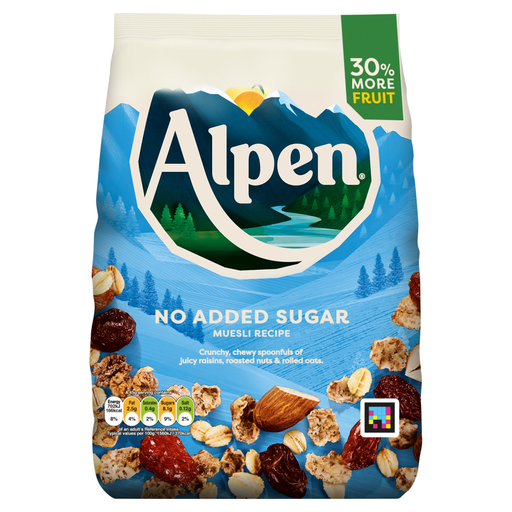
Alpen No Added Sugar Muesli 950g

Alpen No Added Sugar Muesli 950g

A ready-to-pour muesli for a cold cereal station with fruit-and-nut texture already included.

950g pack; 45g serving basis; 8.0g fibre per 100g. Contains almonds, hazelnuts, milk, oats and wheat, and may contain other nuts.

Joybuy
Weetabix Super Size 72 Pack 1.52kg

Weetabix Super Size 72 Pack 1.52kg

A simple cold cereal base for guests to combine with milk, yoghurt, fruit or other toppings.

72 biscuits in a 1.52kg pack; stated serving of two biscuits; 95% wholegrain wheat. Contains barley and wheat.

Joybuy
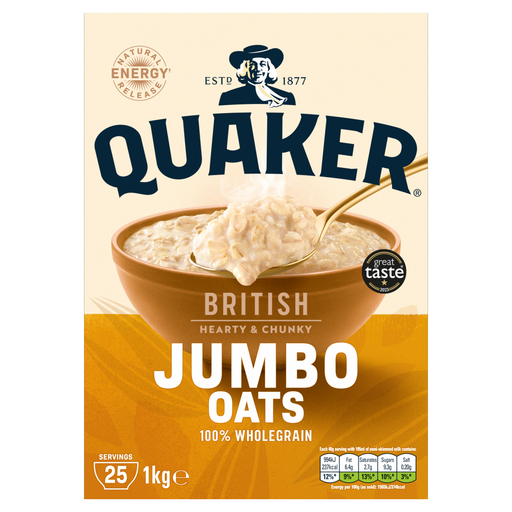
Quaker Jumbo Rolled Oats 1kg

Quaker Jumbo Rolled Oats 1kg

A flexible oat base for porridge, overnight oats or baking when the host can provide preparation time and liquid.

1kg of 100% wholegrain oat flakes; 9.0g fibre and 11g protein per 100g. Requires preparation and may contain traces of wheat.

Joybuy

Frequently asked questions

How much cereal should I buy for a brunch with friends?

Start with the exact pack’s stated serving size. Kellogg’s says people commonly eat around 30g to 50g of cereal in one bowl; the researched products use servings from 37.5g to 45g. Multiply the relevant serving by the guests likely to choose cereal, then reduce the quantity when substantial dishes such as eggs, pastries or toast are also available.

Is one large cereal pack better than several smaller packs?

One large pack suits a group that will mostly accept the same base, especially wheat biscuits or oats. Choose a large base plus one smaller alternative when preferences differ, such as guests wanting sweet cereal, wholegrain cereal or muesli. A second cereal does not solve an allergy requirement unless its ingredients and cross-contact statements also suit the guest.

What labels should I check before buying a family-size cereal pack?

Check serving size, nutrition per serving and per 100g, ingredients, highlighted allergens, “may contain” statements, dietary suitability and storage instructions. Food Standards Agency and GOV.UK guidance explains that traffic-light labels, where present, help compare calories, fat, sugars and salt.

Can I assume wholegrain cereal is safe for guests avoiding gluten or nuts?

No. Wholegrain wheat cereals contain gluten, and the researched Nestlé Shredded Wheat product states that it is not suitable for coeliacs and may contain peanuts and nuts. The researched mueslis also list several nuts and cereal allergens, so confirm the current pack and ask guests about their needs before serving.

How should I store cereal after a brunch?

Follow the pack instructions. The researched Dorset muesli advises rolling the inner bag down tightly and storing it in a cool, dry place, with the best-before date on the base of the pack. Keep allergen and date information available if cereal is moved from its original packaging.