Households sharing one weekday cereal
For households serving the same cereal to several people and needing to weigh up stated servings, expected use, nutrition and ingredients before choosing a larger format.


Choose a larger pack when the people sharing it are likely to finish it while they still enjoy it, and when the stated servings, nutrition information and allergens work for everyone. Portion sachets can make weekday preparation and dry portions more predictable, while larger loose packs can suit regular shared use; compare price per 100g, serving sizes and the current pack declaration before deciding.
For households serving the same cereal to several people and needing to weigh up stated servings, expected use, nutrition and ingredients before choosing a larger format.
For families who want a repeatable breakfast routine on school or work mornings and are comparing loose cereal with individually portioned porridge sachets.
For households comparing cereal formats while checking the current pack for wheat, gluten, nuts, peanuts or other relevant allergens.
Choose it when: several people regularly eat the same cereal and you want to estimate breakfast coverage from the stated serving size.
Consider: a bigger box is not automatically better value, and wheat, gluten, peanut or nut declarations may rule out a shared pack.
Choose it when: a pre-measured dry portion and quick weekday preparation matter more than one large loose box.
Consider: preparation needs milk, a suitable bowl and a microwave or hob, and dry and prepared nutrition figures are not directly interchangeable.
Choose it when: everyone regularly eating the cereal wants a textured mix containing fruit and nuts.
Consider: recipes and allergen declarations can differ greatly from plain cereal biscuits or oats, so check the exact pack rather than the format name.
Start with the number of breakfasts the exact pack is likely to cover, then compare nutrition and ingredients on the same basis.
| Priority | What to check | Your needs |
|---|---|---|
| Usable servings | Check pack weight or count, stated servings and price per 100g. Consider how quickly the cereal will be eaten after opening and whether the inner pack can be resealed. | I want enough weekday breakfasts for the regular eaters without treating the biggest outer pack as automatic value. |
| Fibre and recipe | Compare fibre per 100g and per stated portion. Plain wholewheat biscuits, plain shredded wholegrain cereal and porridge oats are examples the NHS identifies as higher-fibre breakfast choices. | I am looking for a cereal base that fits our usual breakfast routine, rather than relying on a wholegrain label alone. |
| Serving basis | Compare nutrition per 100g for like-for-like products, then check the stated portion size. For porridge, see whether the displayed serving includes milk. | Our bowls are not all the same size, so I want to understand the nutrition of the amount actually served. |
| Allergen suitability | Read the exact pack's ingredients, highlighted allergens and any precautionary statement. Check again when changing recipe, flavour or pack format. | One shared cereal needs to be suitable for everyone who will eat it, including people avoiding particular cereals, milk, peanuts or tree nuts. |
A large pack only represents good value when the household will use it and enjoy the recipe before the cereal loses its crunch after opening.
Compare price per 100g, stated servings and likely weekday use before choosing a bulk pack.
Wholegrain cereals can still have different sugars, fibre and ingredient lists, particularly when comparing plain biscuits with muesli or granola-style recipes.
Compare the exact products per 100g and per portion, then consider the serving size your household usually eats.
A shared cereal may contain declared allergens or precautionary allergen information that matters to one person in the household.
Read the current ingredient list, highlighted allergen information and precautionary statement whenever you change product or recipe.
Some porridge nutrition panels distinguish dry oats from a prepared serving made with milk, which changes the nutrition of the breakfast served.
Compare dry products per 100g where possible, then use the preparation instructions to assess the prepared bowl.
Relevant for a shared weekday cereal based on plain wheat biscuits. Weetabix states that Original is made with wholegrain wheat and uses a two-biscuit serving.
Relevant for a plain shredded-wheat route. Nestlé describes Shredded Wheat Original as 100% wholegrain wheat, while a 675g 30-biscuit pack is listed as 15 servings.
Relevant when individually portioned porridge is more practical than a loose cereal box for weekday preparation.
Relevant for comparing familiar boxed cereals with different recipes and textures, where serving size and nutrition details need close attention.
Relevant for a muesli route containing oats, wheat flakes, raisins and nuts.
Relevant for households that prefer fruit-and-nut muesli rather than plain cereal biscuits or portioned porridge.
Joybuy product options for shared weekday breakfasts, including large cereal packs, portioned porridge and fruit-and-nut breakfast cereals.
 No image available
A large wheat-biscuit pack for estimating shared weekday breakfast coverage from a stated two-biscuit serving.
The listing identifies a 72-biscuit, 1.52kg format and a 95% wholegrain wheat recipe.
Contains wheat and barley, so check suitability where these allergens or gluten must be avoided.
 No image available
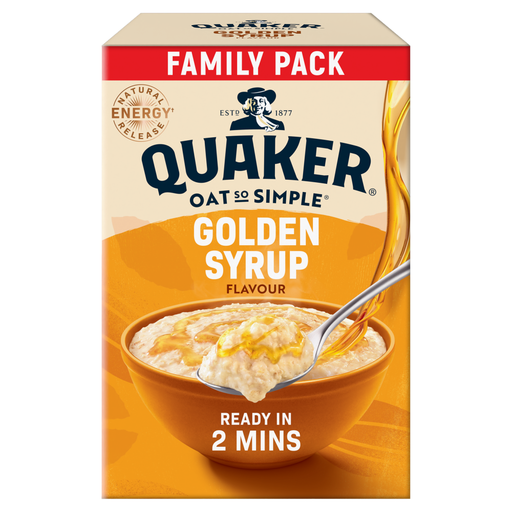
A portioned porridge option for mornings when pre-measured dry servings and quick preparation are useful.
The listing specifies 20 x 36g sachets, 180ml milk guidance and two-minute microwave preparation.
Contains oats and may contain barley, wheat and soya; it needs milk and microwave preparation rather than serving cold from the pack.
 No image available
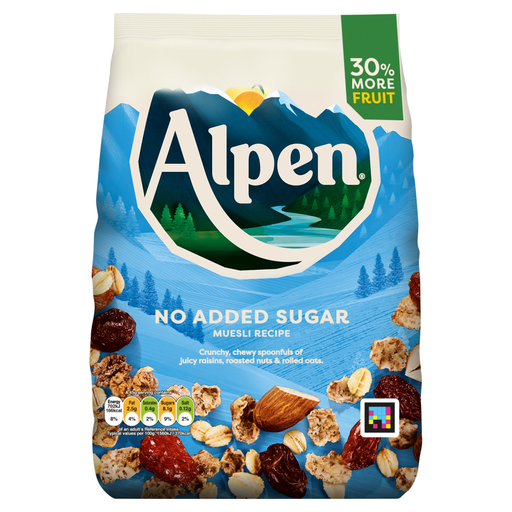
A large ready-mixed cereal option for households that want wheat, oats, raisins and nuts in one breakfast product.
The listing gives a 950g net quantity, a 45g serving and fibre information per 100g.
Contains almonds, hazelnuts, milk, oats and wheat, and may contain other nuts.
 No image available
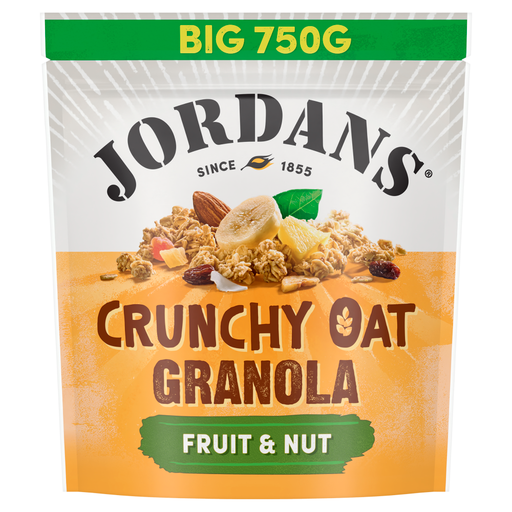
A fruit-and-nut granola option for households that prefer a textured, ready-mixed breakfast cereal.
Check the exact pack's portion guidance and storage instructions when planning shared weekday use.
Contains almonds and oats and may contain peanuts, tree nuts and cereals containing gluten. The pack also carries a warning that hard nut-shell or fruit-stone pieces may occasionally occur.
 No image available
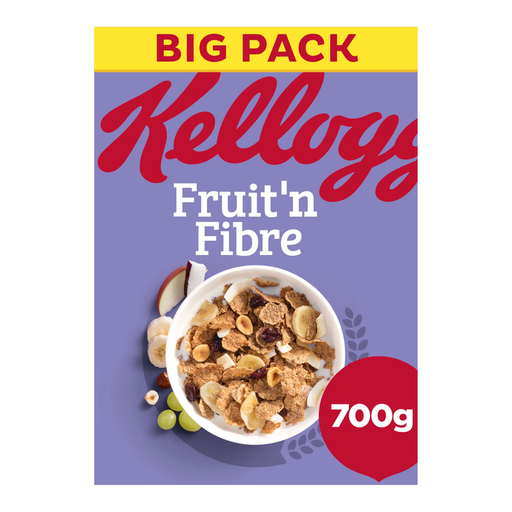
A larger boxed cereal option for shared weekday breakfasts where fruit-and-nut ingredients suit all regular eaters.
Use the current pack's serving and nutrition declaration to estimate household coverage and compare it with other recipes.
Contains almonds, barley, hazelnuts, tree nuts and wheat, and may contain other nuts.
Start with the stated servings or portions, multiply by the number of regular eaters and compare the result with the weekdays you want the pack to cover. A 675g Nestlé Shredded Wheat Original 30-biscuit pack is listed as 15 servings, while Quaker Oat So Simple Original is available in packs of up to 60 sachets; compare price per 100g and estimated servings, not box size alone.
Use both: per 100g is the clearer like-for-like comparison, while per serving shows the declared nutrition for a suggested portion. Check the serving weight and whether milk is included, as porridge can show separate dry and prepared figures and bowl sizes vary between people.
No. Wholegrain describes part of the recipe, not every nutrition value, so compare the exact product's sugars, fibre and ingredients per 100g and per portion. This matters particularly when comparing plain cereal biscuits with muesli or granola-style products containing fruit.
Where a front-of-pack traffic-light label is shown, green indicates a low amount, amber a medium amount and red a high amount for the nutrient displayed. UK government guidance describes the system for fat, saturates, sugars and salt; use the full nutrition declaration too when serving sizes differ.
Check the exact current pack before buying and do not assume products within one brand have the same ingredients. Nestlé states that Shredded Wheat Original contains wheat, may contain peanuts and nuts, and is not suitable for coeliacs; fruit-and-nut cereals can also contain several nuts and gluten-containing cereals. A “may contain” statement indicates possible unintended allergen presence.