Buying priorities
Start with how often cereal is actually served alongside the cooked breakfast, then compare labels on the same basis and check the exact pack ingredients.
| Priority |
What to check |
Your needs |
| Pack quantity |
Check the pack count or net weight, the manufacturer’s labelled serving, and how many cereal portions that creates. A 48-biscuit Weetabix pack represents 24 two-biscuit servings; a 30-biscuit Shredded Wheat pack is labelled as 15 servings. |
We only need enough cereal for the people who will choose it and for the breakfasts when it is actually served. A full English may mean smaller or less frequent cereal portions. |
| Fibre and wholegrain |
Compare fibre per 100g and per stated serving. Weetabix Original lists 10g fibre per 100g, while Nestlé Shredded Wheat Original lists 14g per 100g. |
I am looking for a cereal format where wholegrain and fibre are clear on the label. NHS guidance identifies plain wholewheat biscuits, plain shredded wholegrain cereal and porridge as higher-fibre breakfast choices. |
| Sugars and salt |
Compare products per 100g first, then per serving. NHS guidance describes 5g or less sugars per 100g and 0.3g or less salt per 100g as low; front-of-pack traffic-light labelling can show whether sugars and salt are high, medium or low. |
I want to see how the cereal contributes to the wider breakfast, rather than assuming flakes, biscuits and muesli have similar nutrition. |
| Ingredients and allergens |
Read the ingredient list and allergen declaration for the exact pack. Check for wheat, barley, milk, almonds, other nuts and any cross-contact wording; use a specifically gluten-free product where that is required. |
Everyone expected to eat from the shared pack needs to be able to have it. A separate cereal may be more practical when household requirements differ. |
Joybuy product options
Joybuy product options for shared breakfasts, covering large ready-to-eat cereals, muesli and prepared oat sachets.
 No image available
Weetabix Super Size 72 Pack 1.52kg
A large wheat-biscuit option for households that regularly serve a cold cereal alongside breakfast.
Contains wheat and barley. Check the current pack’s ingredient and allergen declaration before buying for a shared table.
Joybuy
 No image available
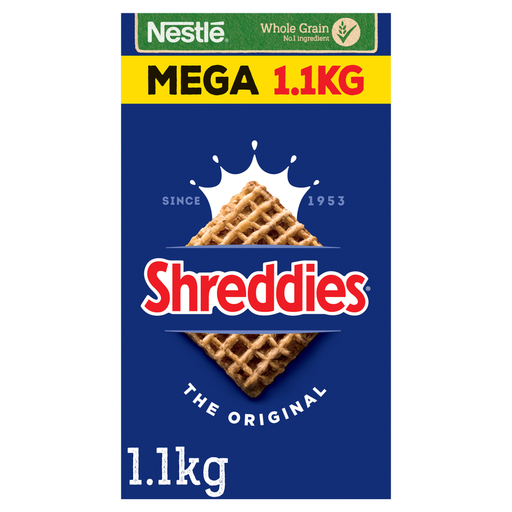
Nestlé Shreddies Original Malted Wheats 1.1kg
A sizeable ready-to-eat wheat cereal for recurring shared breakfasts where simple preparation matters.
Contains wheat and barley malt extract and may contain peanuts and nuts. Compare the current nutrition label if sugars or salt are priorities.
Joybuy
 No image available
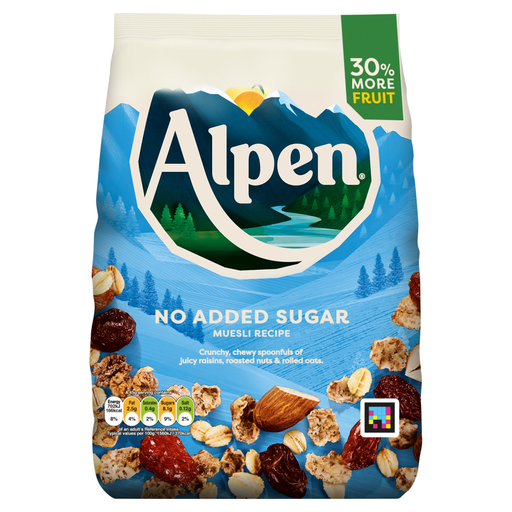
Alpen No Added Sugar Muesli 950g
A larger textured muesli option for households that actively want fruit, nut and seed ingredients at breakfast.
Contains almonds, hazelnuts, milk, oats and wheat, and may contain other nuts. Check the exact pack where ingredient suitability or sugars are important.
Joybuy
 No image available
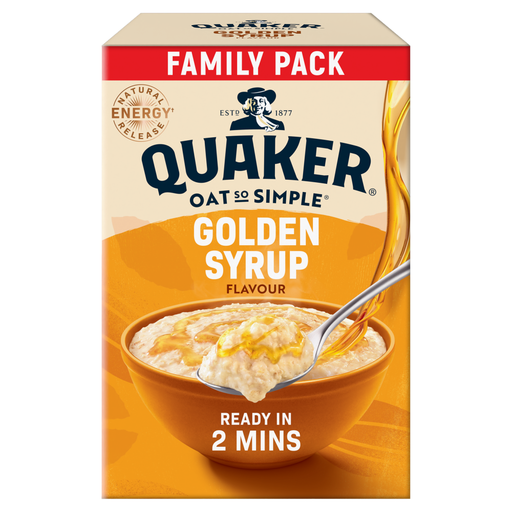
Quaker Oat So Simple Golden Syrup 20 Sachets 720g
Individually portioned sachets can suit a household that prefers a hot cereal course with predictable portions.
Requires preparation with milk or another suitable liquid. It contains oats and may contain barley, wheat and soya; check the current allergen statement.
Joybuy
 No image available
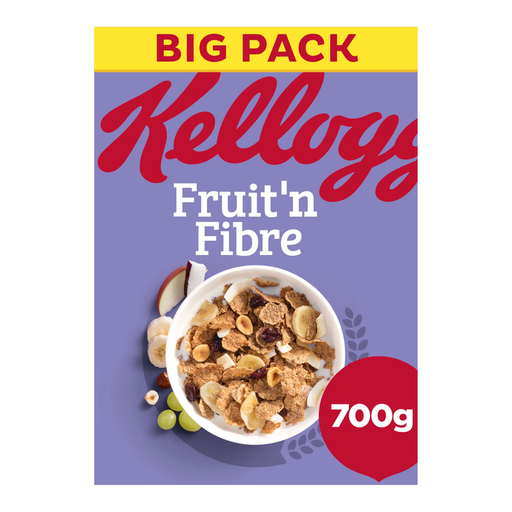
Kellogg’s Fruit ’N Fibre 700g
A ready-to-eat cereal in a sizeable format for shared breakfasts where fruit and nuts are acceptable ingredients.
Contains almonds, hazelnuts, other tree nuts, barley and wheat, and may contain other nuts. Compare the current label if salt or sugars are priorities.
Joybuy
Frequently asked questions
How do I work out whether a family cereal pack is too large for our breakfast routine?
Start with the labelled cereal serving, then multiply it by the number of people who will actually eat cereal and how often they will choose it. Weetabix labels two biscuits as one serving, so a 48-biscuit pack equals 24 labelled servings; a 30-biscuit Nestlé Shredded Wheat pack is labelled as 15 servings. If a full English is usually the main meal, do not assume every person will also eat a full cereal serving.
What should I compare on UK cereal labels?
Compare products on the same basis, preferably per 100g and then per stated serving. NHS guidance says nutrition labels provide energy, fat, saturates, carbohydrate, sugars, protein and salt, and may include fibre; traffic-light labelling can help compare fat, saturates, sugars and salt at a glance.
Can a standard wheat cereal be treated as gluten-free because it is wholegrain or low in sugar?
No. Wholegrain status, fibre content and sugar information do not establish gluten-free suitability. Nestlé states that Shredded Wheat Original contains gluten and is not suitable for coeliacs, while its separate Go Free range is described as Coeliac UK approved; always check the current pack for the exact product.
How should I store a large cereal pack after opening?
Follow the storage instructions on the physical pack. Joybuy listings for Weetabix and Kellogg’s cited here specify cool, dry storage, and the Kellogg’s listing advises keeping the packaging sealed after opening.
Are nutrition labels required on UK pre-packed breakfast cereal?
Yes. GOV.UK guidance states that nutrition information must be displayed on the back of food packaging. Front-of-pack traffic-light labelling may also be used by some supermarkets and manufacturers to show whether fat, saturates, sugars and salt are high, medium or low.


