What to check before buying
Start with household use and storage, then choose flake style and dietary suitability. For a high-protein breakfast pattern, compare the oats’ stated serving value with the protein foods you plan to serve alongside them.
| Priority |
What to check |
Your needs |
| Protein in the finished breakfast |
Compare protein on the stated serving size; cited plain-oat products provide 4.8–5.3g per 40g serving. Choose a suitable accompaniment rather than relying on oats alone. |
I want porridge to be a flexible base while I choose the rest of the meal. Dairy, eggs, meat, fish, pulses, tofu and Quorn are listed as richer protein foods by Cambridge University Hospitals NHS Foundation Trust. |
| Pack size and storage |
Check pack weight, stated portions and the best-before date. Store oats in a cool, dry place and keep opened packs airtight or sealed. |
A 1kg pack can provide about 25 standard 40g portions, while Mornflake states that its 3kg jumbo pack provides approximately 75. I would rather start smaller if the household is unsure about the recipe or texture. |
| Texture and cooking time |
Check whether flakes are jumbo, whole rolled, thinner or chopped, plus the pack’s cooking method and timing. Jumbo flakes are thicker and generally take longer to cook. |
I may prefer a thicker, more textured porridge for relaxed breakfasts, overnight oats or flapjacks. On busy weekdays, I would check the pack for a quicker-cooking format. |
| Gluten and allergen suitability |
Choose a specifically labelled gluten-free product when that requirement applies. Read the current ingredient and may-contain statement on every pack. |
If gluten-free oats are required, I need a clear gluten-free label rather than assuming all oats are interchangeable. The Food Standards Agency states that foods labelled gluten-free must contain no more than 20 mg/kg gluten, and oats remain an allergen. |
Joybuy porridge-oat options
Joybuy options for family porridge breakfasts, including standard and gluten-free oats, organic pack formats and an oat-based protein porridge product.
 No image available
Scotts Porage Old Fashioned Porridge Oats 1kg
A 1kg, 25-portion plain-oat option for shared breakfasts where a lower-commitment pack is preferred.
100% rolled oats; stated 40g serving provides 4.4g protein. Hob and microwave preparation are stated. May contain wheat and barley, so it is not interchangeable with specifically gluten-free oats.
Joybuy
 No image available
Morrisons Free From Gluten Free Oats 1kg
A 1kg, 25-portion route for households that require gluten-free oats for shared breakfasts.
100% gluten-free oat flakes; stated 40g serving provides 4.5g protein. Oats remain an allergen, so check the current pack if oat allergy is relevant and check preparation guidance if texture or speed matters.
Joybuy
 No image available
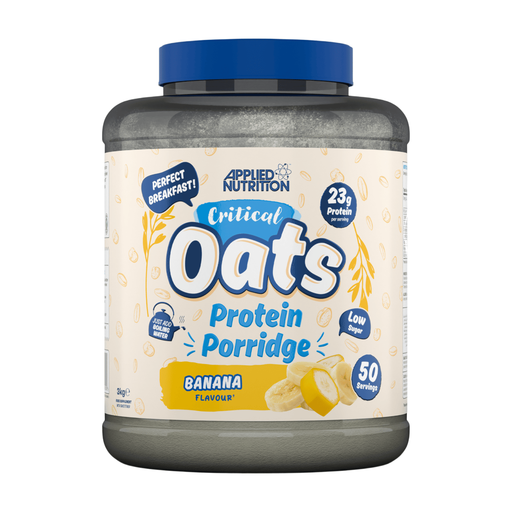
Applied Nutrition Critical Oats Protein Porridge Banana Flavour 3kg
An oat-based protein porridge option for frequent adult use where the protein content of the finished serving is the main consideration.
Stated 60g serving provides 23.04g protein and can be mixed with hot or cold water or milk. Contains oats, whey, milk and soy; the product is presented for adults with active lifestyles.
Joybuy
 No image available
Flahavan’s Organic Porridge Oats 2kg (2 x 1kg)
A twin-pack format for families wanting more than one 1kg pack while retaining separate packs for storage and use.
100% organic wholegrain oat flakes. The listing identifies oats as containing gluten and does not present this as a gluten-free product; check the label where gluten-free oats are required.
Joybuy
 No image available
Flahavan’s Organic Porridge Oats 1kg
A 1kg plain-oat option for households trying an organic standard pack before buying a larger quantity.
100% organic wholegrain oat flakes. The listing identifies oats as containing gluten and does not present this as a gluten-free product; check the pack’s preparation guidance where texture or weekday speed matters.
Joybuy
Frequently asked questions
How many breakfasts does a family-size pack of porridge oats provide?
Use the pack’s stated serving size rather than weight alone. The cited products use 40g as a typical portion: a 1kg pack provides 25 portions, while Mornflake’s 3kg jumbo pack provides approximately 75 portions. Multiply this by the number of people eating porridge and how often they eat it before choosing bulk.
Are plain porridge oats high in protein?
Plain oats contribute protein but may not make a complete high-protein breakfast on their own. Cited 40g servings provide about 4.8–5.3g protein. Cambridge University Hospitals NHS Foundation Trust identifies foods including dairy, eggs, meat, fish, pulses, tofu and Quorn as richer protein sources, so choose a suitable accompaniment if increasing meal protein is the goal.
Should I choose jumbo oats or standard porridge oats?
Choose jumbo oats if you want a thicker, more textured result and can allow longer cooking. Mornflake states that thicker jumbo flakes take longer to cook; thinner or smaller-cut oats may suit weekday speed better. Check the exact pack’s cooking method, as timings differ by product and microwave wattage.
Can a normal oat pack be used for a gluten-free diet?
Do not assume so. Choose a pack explicitly labelled gluten-free where that requirement applies. Food Standards Agency guidance states that food labelled gluten-free must contain no more than 20 mg/kg gluten, and oats still need allergen emphasis; ordinary oat products may also carry wheat or barley may-contain statements.
How should a large oat pack be stored?
Follow the individual pack, but cited guidance is to store oats in a cool, dry place and keep opened oats airtight or sealed. Mornflake states that its creamy oats have around a 12-month shelf life when stored sealed in a cool, dry place, while Waitrose directs shoppers to the best-before date on the pack.


