What to check before buying
Start with the cereal base and current label, then choose a pack size and preparation method that work for your household routine.
| Priority |
What to check |
Your needs |
| Sugars and ingredients |
Compare sugars on the same basis, such as per 100g and per stated serving. Read the ingredient list for sugar, syrups, honey or sugar coatings. Consider an unsweetened or lower-sugar base if adding soft fruit. |
I want a practical cereal for regular breakfasts, rather than choosing a sweeter option simply because the pack is large. |
| Pack size and preparation |
Check the pack quantity or listed servings. Decide whether a ready-to-serve cereal or oats requiring hob, microwave or soaking preparation fits weekday mornings. Follow storage and resealing instructions where stated. |
A larger pack should match how often we eat cereal and how much time we have in the morning. |
| Allergens and texture |
Read the current allergen declaration and any may-contain statement. Check nut form and texture carefully. Choose a product explicitly labelled gluten-free only where that is required for the individual child. |
I need to know what is in the cereal and whether its texture is appropriate before serving it to a toddler. |
Joybuy product options
Joybuy options for family breakfasts shared with a toddler, including ready-to-serve wheat biscuits and plain porridge oats.
 No image available
Weetabix Super Size 72 Pack 1.52kg
A ready-to-serve option for shared breakfasts when a wheat-biscuit cereal suits the household routine.
72 biscuits; 1.52kg pack; 95% wholegrain wheat; 1.7g sugars per two-biscuit serving. Contains wheat and barley. Label serving information is not toddler portion guidance.
Joybuy
 No image available
Scotts Porage Old Fashioned Porridge Oats 1kg
A plain oat base for family porridge breakfasts where there is time for hob or microwave preparation.
1kg pack; 100% rolled oats; 1.1g sugars and 9g fibre per 100g. May contain wheat and barley, so check the current label for allergy or gluten-related requirements.
Joybuy
 No image available
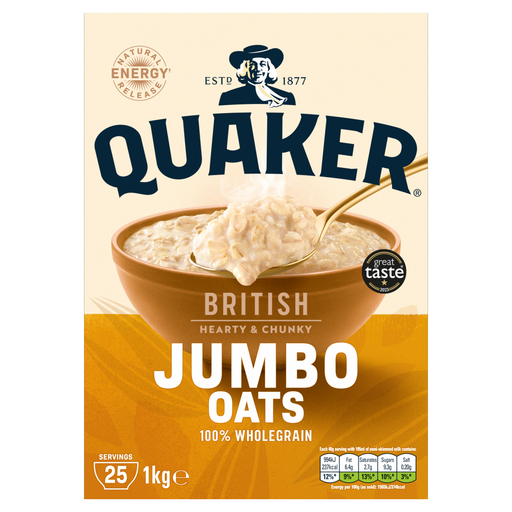
Quaker Jumbo Rolled Oats 1kg
Suitable for households planning porridge or overnight oats with soft fruit added separately.
1kg pack; 100% wholegrain oat flakes; 1.0g sugars and 9g fibre per 100g. May contain traces of wheat; prepare to a soft consistency appropriate for the child.
Joybuy
 No image available
Flahavan’s Organic Porridge Oats 2kg (2 x 1kg)
A larger oat format for households that regularly make warm breakfasts and can store both packs appropriately.
Two 1kg packs of organic wholegrain oat flakes; 0.9g sugars and 8.3g fibre per 100g. Contains oats labelled as gluten, so it is not suitable where an explicitly gluten-free product is required.
Joybuy
Frequently asked questions
What is a simple starting point for a toddler breakfast cereal?
Start with unsweetened porridge or a lower-sugar cereal, then add suitable soft fruit if wanted. NHS guidance includes unsweetened porridge and lower-sugar cereal with milk and fruit as breakfast ideas for babies and young children.
Can a toddler have Alpen or Dorset nut muesli?
Do not serve cereal containing whole nuts to a child under 5. Alpen Original includes roasted sliced almonds and hazelnuts, while Dorset Gloriously Nutty includes whole and sliced almonds, cashew pieces and chopped hazelnuts; check the actual texture, allergens and the child’s eating ability before serving.
Do oats automatically suit a gluten-free diet?
No. Food Standards Agency guidance states that food labelled gluten-free must contain no more than 20mg/kg gluten, and oats remain an allergen even when a product is labelled gluten-free. Where this is required for an individual child, choose only a product explicitly suitable for that need.
Can reference-intake percentages on cereal packs guide a toddler portion?
No. The cereal listings describe these percentages as values for an average adult. They can help compare products, but they are not toddler portion guidance; use the child’s appetite, age, dietary advice and the current product label.
Do UK schools have one rule banning gluten-containing cereal?
No single UK-wide rule applies. In England, the Department for Education says schools must support pupils with medical conditions including allergies and publish an allergy safety policy. Check the individual nursery or school policy and the child’s documented dietary plan before packing cereal.


