What matters when choosing?
Start with the application and any workplace requirements, then decide whether charts need to be readable on the laptop alone or at a desk with a monitor. The concerns below distinguish consumers by the need they would put first, even when several needs apply.
| Concern | What to check | Who this matters to |
|---|
| Chart workspace |
Check the chosen screen size and whether it connects to your desk monitor; plan room for separate input devices during long sessions. |
If I regularly compare a wide tree with its source records, I need a screen arrangement that lets me read both without working in a cramped position. Around 42% of consumers put chart workspace and desk setup first. |
| Shared-office access |
Confirm the office’s device-management and sign-in requirements, and its rules for storing or synchronising records about living people. |
When other people use the workspace, I want my accounts and records protected when I leave the desk. Roughly 33% of consumers make access and record handling their primary concern. |
| Software and portability |
Check the exact genealogy application and version against the operating system, including any required file imports or integrations. |
If I carry my laptop between desks, it still has to run the software and workflow I rely on. About 25% of consumers prioritise that combination of software route and portability. |
Joybuy laptop choices
These laptops offer different ways to balance built-in chart space and a device you can move between desks. Check your genealogy software and shared-office requirements before using screen size or configuration to narrow the choice.
 No image available
ASUS ProArt P16 H7606WW-SE006W, 16-inch 4K OLED
Consider its 16-inch screen if you expect to view charts primarily on the laptop rather than carry it frequently between desks.
This touchscreen configuration lists 64GB RAM, a 2TB SSD and Windows 11 Home. Confirm that Windows 11 Home meets the office’s device and account requirements, and check your genealogy application before buying.
Joybuy
 No image available
Lenovo LOQ Essential 15ARP11, 15.6-inch FHD
The 15.6-inch built-in display gives you a larger laptop screen for charts when a desk monitor is not part of the setup.
This configuration lists 16GB RAM, a 1TB SSD and a 144Hz FHD display. Its gaming designation does not establish that your genealogy software needs its graphics hardware; check software and workplace compatibility separately.
Joybuy
 No image available
HP OmniBook Ultra Flip 14-fh0006na, 2-in-1
Consider this 2-in-1 if you want a device to move between work areas, while checking how it will connect to your regular desk setup.
The named configuration lists 16GB RAM, a 1TB SSD and Windows 11 Home. Confirm that the exact device meets office-management requirements and that your genealogy software supports its operating system.
Joybuy
 No image available
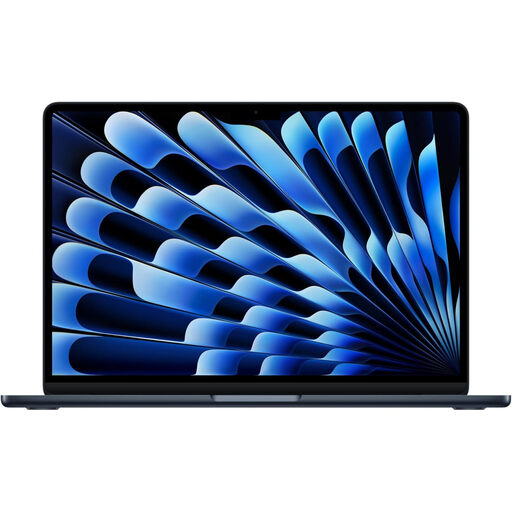
Apple 13-inch MacBook Air M5, 16GB, 512GB, Midnight
This compact macOS option makes sense only if your genealogy application and office workflow support it; a desk monitor may give wide charts more room.
The named M5 configuration has 16GB memory and a 512GB SSD. Apple’s specifications for the 13-inch M5 MacBook Air include Thunderbolt 4 and external-display support; check the connections needed for your office monitor and peripherals.
Joybuy
 No image available
HP OmniBook X Flip 16-as0004na, 16-inch 2-in-1
Its 16-inch built-in screen is an option if you prefer to view charts on the laptop itself.
This touchscreen configuration lists an Intel Core Ultra 5 226V, 16GB RAM, a 512GB SSD and Windows 11 Home. If you intend to use an office monitor, confirm the required display connection; check workplace and genealogy-software compatibility too.
Joybuy
Common questions
Do I need a gaming laptop to map a family tree?
Not by default: start with the requirements of the genealogy application you will actually use. Check its supported operating system, then consider screen arrangement, memory and storage for your records and everyday workflow rather than treating a gaming label as a requirement.
Is a larger laptop screen enough for long chart sessions?
A larger screen can give a chart more built-in space, but it does not replace a suitable workstation setup. For prolonged laptop work, the Health and Safety Executive advises a separate keyboard and mouse so the laptop screen can be raised, or a separate display.
Does a personal family tree in a shared office automatically fall under UK GDPR?
No blanket conclusion follows from using a shared office; who processes the information and for what purpose matters. The Information Commissioner’s Office says personal data relates to an identified or identifiable person. If you handle living people’s records for an organisation, follow its data-protection and device-access policies.
What if a newly bought laptop is faulty?
A qualifying faulty laptop may give rise to statutory remedies that are separate from a retailer’s voluntary change-of-mind policy. Under the UK Consumer Rights Act 2015, the short-term right to reject has a minimum 30-day period in qualifying circumstances; keep your order details and evidence of the fault when contacting the seller.


