Regular multi-tray bake-sale bakers
If you need several trays ready within a limited preparation window, heat distribution across shelf levels and usable tray space will shape your choice.


For regular bake-sale batches, choose a built-in fan oven with a dedicated fan-heating mode and look for model-specific evidence of even baking across loaded shelves. A larger cavity gives you more room to work with, but litres and shelf positions alone cannot establish how evenly biscuits will brown. Check the exact model's housing and connection requirements before choosing extra capacity or features.
If you need several trays ready within a limited preparation window, heat distribution across shelf levels and usable tray space will shape your choice.
If you bake for occasional school, charity or community events, an oven that fits your kitchen and is straightforward to clean may matter more than maximum cavity capacity.
If the new oven must fit an existing cabinet, check the model's installation instructions and electrical connection requirements before weighing additional cooking functions.
For regular multi-tray baking, assess heat distribution before choosing by cavity size; for a built-in replacement, confirm fit and connection against the exact model instructions.
| Concern | What to check | Who this matters to |
|---|---|---|
| Even multi-tray baking | Look for a dedicated fan-heating mode and a model-specific multi-level claim. Where available, consult independent tests of heat distribution and temperature accuracy. | If I fill several shelves with oat biscuits, I need the batches to brown consistently rather than relying on a fan label alone; roughly 36% of consumers put even multi-tray results first. |
| Usable tray space | Compare shelf positions, supplied shelves and tray dimensions alongside cavity litres. | When I have many biscuits to prepare, I want trays that fit the cavity and a workable shelf layout; around 29% of consumers prioritise usable batch space. |
| Cabinet fit and connection | Measure the cabinet opening and check the exact model's installation and electrical instructions, not just its external dimensions. | If I am replacing a built-in oven, it needs to suit my cabinet and electrical arrangement before extra functions matter; approximately 21% of consumers make fit and installation their main concern. |
| Cleaning effort | Check the stated cleaning function and how the door and interior are cleaned. | For an occasional bake sale, I want crumb and spill clean-up to remain manageable between uses; roughly 14% of consumers put cleaning convenience first. |
A fan setting does not establish how closely a particular oven holds its set temperature or distributes heat. Which? assesses heat distribution by baking trays on different levels.
If repeatable multi-tray results matter, look for independent results for the exact model as well as its stated fan and multi-level functions.
Capacity does not tell you which baking sheets fit, how shelves can be spaced or whether loaded levels brown evenly.
Check tray dimensions, supplied shelves and the usable shelf layout before deciding that a larger cavity will suit your batches.
For charity or community events in England, Northern Ireland and Wales, GOV.UK says food supplied or sold must comply with food law and be safe to eat. Whether an activity needs food-business registration depends on its circumstances.
Check the position with the relevant local authority and prepare accurate ingredient and allergen information for the biscuits you will sell.
The HHF113BR0B is relevant if you want a built-in oven specified for baking on multiple levels.
The 72-litre BCX33501KB SurroundCook is relevant if repeated batches make cavity space important.
The HO 458CF B UK offers shelf-placement options to examine when planning batches.
The HOC3158IN is an option to examine if a fan function, timer and cleaning aid matter to you.
The FO60S is relevant if you are considering a smaller-capacity built-in fan oven.
These Joybuy built-in fan ovens offer two capacity and fan-function starting points for oat-biscuit batches. Confirm tray fit and installation requirements for the model you choose.
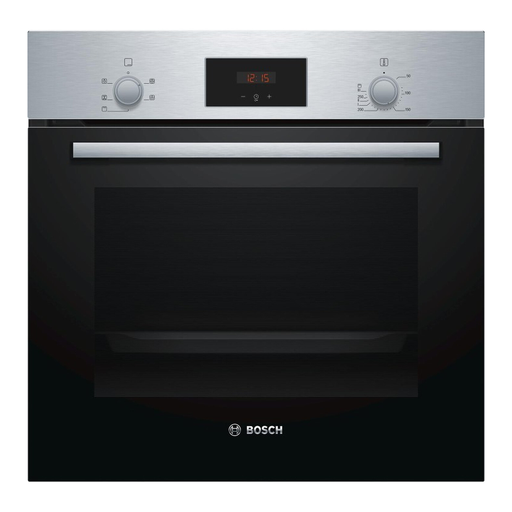 Image unavailable
Consider this model if you regularly load several biscuit trays: Bosch specifies 3D Hotair for use on up to three levels. Its stated external dimensions are 595 × 594 × 548 mm, but check the installation instructions for the required cabinet space and electrical connection. The multi-level claim does not establish independently measured browning consistency.
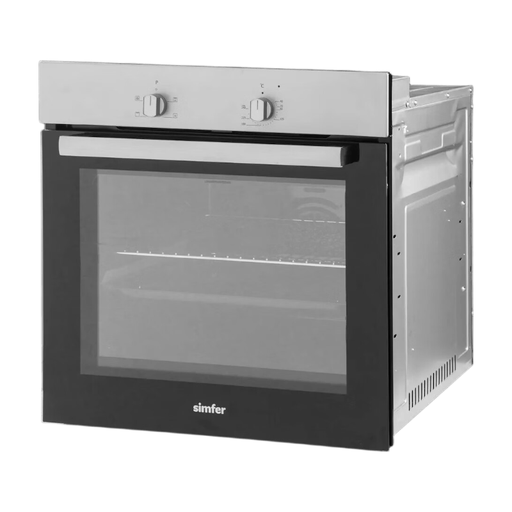 Image unavailable
Consider this 56-litre model for smaller batches if fan-assisted baking is your priority. Joybuy lists four cooking functions, including fan-assisted turbo cooking. Before planning several trays at once, check their dimensions, usable shelf positions and the exact model's installation requirements.
A fan function can help distribute heat, but it does not guarantee matching results on every shelf. For several loaded trays, check the model's multi-level guidance and, where available, independent heat-distribution and temperature-accuracy results.
Choose more capacity if you regularly need additional usable tray space, not simply because the baking is for a sale. Compare tray dimensions, supplied shelves and shelf spacing; cavity litres alone cannot show how many biscuit trays will fit or how evenly they will bake.
Check the exact model's cabinet-opening, ventilation and electrical connection instructions against your kitchen before arranging installation. External appliance dimensions alone are not the full installation specification; Electrical Safety First advises that ovens should be installed and used properly.
Registration depends on whether the activity is a food business, so confirm your event's circumstances with the relevant local authority. For England, Northern Ireland and Wales, GOV.UK says food at charity and community events must comply with food law and be safe to eat; that guidance does not state the position for Scotland.
Prepare ingredient and allergen information that matches the recipe you actually use. Food Standards Agency guidance advises controlling allergen-containing ingredients and protecting other foods from cross-contamination.