Family batch bakers
You plan to bake several trays for guests and need the cavity, shelves and baking trays to work together. If other dishes are on the menu, a separate oven cavity may help with timing.


For a family gathering, choose a fan oven by the number of baking trays it can accommodate, not by litre capacity alone. A built-in single oven makes sense if it fits your existing kitchen and handles the planned batches; consider a two-cavity oven or freestanding cooker if another dish needs a separate temperature or you also need a hob. Check model-specific cooking evidence, installation requirements and cleaning features before deciding.
You plan to bake several trays for guests and need the cavity, shelves and baking trays to work together. If other dishes are on the menu, a separate oven cavity may help with timing.
You care more about consistent results across trays and shelf positions than extra cooking modes. Which? assesses heat distribution and control accuracy in its built-in oven tests, making model-specific results useful when available.
You need to establish whether a built-in oven or freestanding cooker fits the space and electrical installation before weighing up cooking and cleaning features.
Consider it when: You are fitting or replacing a built-in oven and one cavity can accommodate the courgette batches you plan to bake.
Trade-off: Another dish cannot cook in a separate temperature zone, and the exact cabinet and electrical requirements still need checking.
Consider it when: Another dish needs its own oven temperature, or you are replacing a freestanding cooker and need a hob.
Trade-off: The second cavity may be smaller, and its format must suit your kitchen layout.
| Concern | What to check | Who this matters to |
|---|---|---|
| Space for the batch | Check shelf positions and whether your baking trays fit; consider a second cavity if another dish needs different timing or heat. | If I need enough courgette slices ready for guests, I want to know how many trays I can use without relying on the cavity volume alone. Around 45% of consumers put batch space first. |
| Even cooking | Look for the exact model’s fan and multi-level modes, then consult independent heat-distribution and temperature-accuracy tests where available. | When several shelves are occupied, I want the slices to brown consistently rather than assuming a fan setting will do that. Consistent cooking is the primary need for around 33% of consumers. |
| Kitchen fit and cleaning | Compare model-specific fitting and electrical requirements with your kitchen; choose a cleaning system separately from cooking features. | If I am replacing an oven, it needs to fit and be suitable for the installation; cleanup after the meal matters too. Around 22% of consumers place fit and cleaning first. |
Cavity volume does not tell you whether your trays fit on the available shelves. On a two-cavity appliance, the smaller oven also needs assessing separately.
Measure the trays you intend to use and compare them with the model’s shelf layout, interior measurements where available and supplied accessories.
Airflow descriptions do not establish how evenly a particular oven cooks across loaded shelves. Which? tests heat distribution and control accuracy because results differ between models.
Use cooking modes to narrow the choice, then seek independent results for the exact model where available.
A physically similar built-in oven is not automatically suitable for the same cabinet or electrical installation. For example, AEG specifies a 3490 W total electrical loading for its BPX535061M.
Compare the exact model’s fitting dimensions and electrical requirements with your kitchen, and arrange an appropriate installation assessment before ordering.
Changes to the cabinet or electrical installation could add work before the oven can be used.
Pyrolytic cleaning addresses residue; it does not establish greater tray capacity or more even browning.
Choose a cleaning mode for the upkeep you want, then assess cooking modes, usable shelves and model-specific cooking evidence separately.
A reference for buyers comparing built-in single ovens with different cooking modes.
Relevant if a built-in single oven with documented multi-level cooking and pyrolytic cleaning is on your shortlist.
A reference for buyers looking at manufacturer-documented multi-level airflow features.
These choices include built-in single ovens for planned tray batches and a freestanding two-cavity cooker for a meal that also needs another oven space. Check tray fit and installation requirements for the particular appliance before choosing.
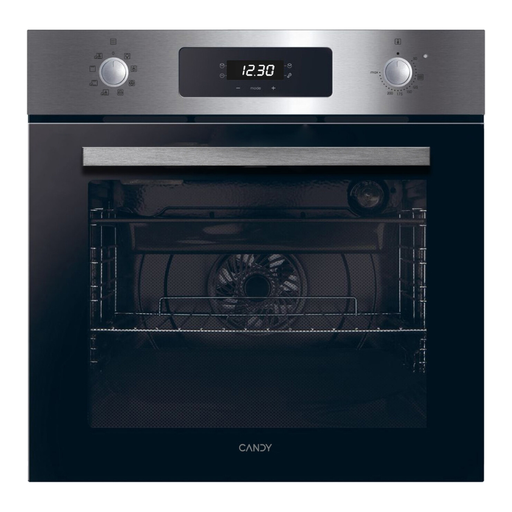 No image available
A single built-in oven to consider if you want to bake trays in one cavity. Its listed capacity is 70 L, but check your tray sizes against the usable shelves and confirm the cabinet and electrical requirements; multi-tray claims are not independent evidence of even browning.
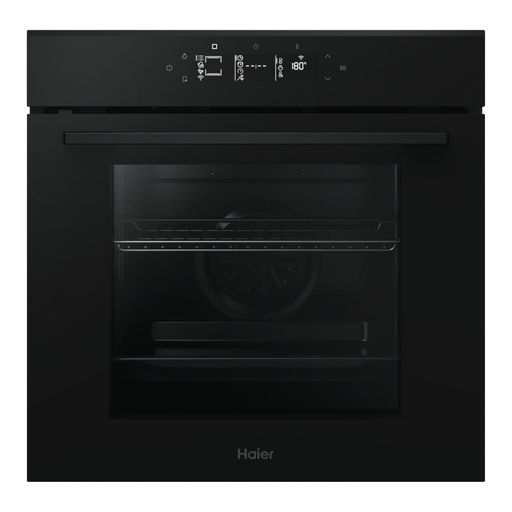 No image available
Consider its listed multi-level function if you plan to use several shelves, but check how your trays fit and do not assume identical browning across them. Confirm installation requirements and the exact model’s maximum-temperature specification before choosing a cooking setting.
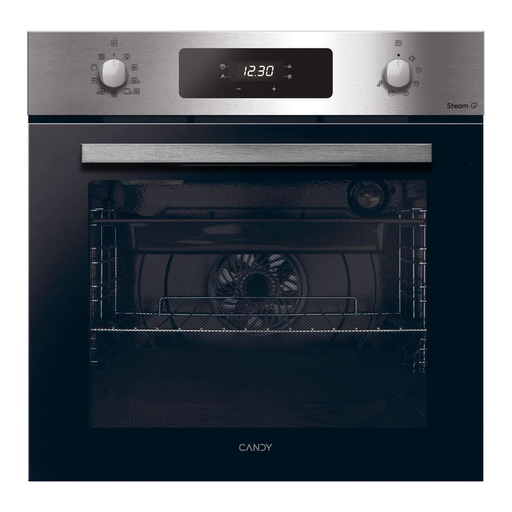 No image available
A built-in single-oven choice if post-meal cleaning matters alongside baking. The title specifies pyrolytic cleaning; check usable tray space and installation requirements separately, as neither the cleaning feature nor shelf positions establish even browning.
 No image available
Consider this single oven if you want to assess fan cooking across more than one shelf. Check whether your trays fit and seek model-specific cooking evidence: a multi-level cooking claim does not establish identical browning. Confirm the cabinet opening and electrical installation requirements.
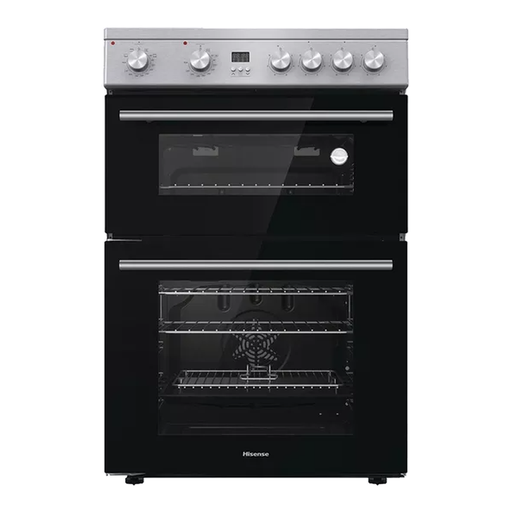 No image available
The freestanding format and separate oven cavities are worth considering if another dish needs its own cooking space while the courgettes bake. Check the usable tray space in each cavity, the cooker’s footprint and its electrical installation requirements.
A fan setting does not guarantee identical browning across shelves. Which? assesses heat distribution and control accuracy because cooking performance differs by model; look for results on the exact oven where available, and follow your recipe’s tray-rotation guidance.
Not necessarily: a single fan oven may handle the gathering if your required trays fit and the cooking schedule works. Two cavities become useful when another dish needs a different temperature or timing; check the smaller cavity’s usable space rather than assuming it holds the same trays as the main oven.
Compare the exact model’s installation dimensions and electrical requirements with your cabinet and existing installation, then follow its fitting instructions. Electrical Safety First advises proper installation and use; GOV.UK’s Approved Document P addresses electrical safety in dwellings in England, not a single installation rule for every part of the UK.
It can make residue easier to remove on ovens equipped with the feature: AEG says its pyrolytic cycle turns residue into ash that can be wiped away with a damp cloth. Choose it for cleaning convenience, not as evidence that an oven bakes more evenly.