What matters when choosing
Decide whether one cavity can accommodate your usual meal before comparing tray space, installation requirements and cleaning methods.
Single built-in fan oven
Choose it when: squash usually shares one oven with the rest of a family meal.
Trade-off: one cavity cannot run another dish at a different temperature at the same time.
Built-in double oven
Choose it when: squash and another dish regularly need separate cooking conditions.
Trade-off: the cabinet arrangement and electrical requirements need checking for the exact model.
| Concern | What to check | Who this matters to |
|---|
| Even roasting and tray space |
Check for a fan setting, then compare the internal space and supplied tray with the quantity of wedges you cook. |
I want to spread out enough squash for dinner rather than crowd it onto a tray, and I care how consistently it cooks. Roughly 36% of consumers put even roasting and practical tray space first. |
| Separate cooking temperatures |
Compare each cavity’s usable capacity and cooking methods if you need two dishes cooking independently. |
When the main dish needs a different setting from the squash, I want a separate cavity rather than adjusting one meal around the other. Around 29% of consumers make that flexibility their primary concern. |
| Cabinet and electrical fit |
Match the required cabinet opening and the model’s connection and electrical requirements to your kitchen. |
Before choosing an oven, I need to know it can be fitted and connected in my existing kitchen. For roughly 21% of consumers, installation compatibility comes first. |
| Cleaning after roasting |
Identify the exact cleaning method and check its instructions and included removable parts. |
After roasting vegetables, I want a cleaning routine I am willing to keep up with. About 14% of consumers prioritise cleaning convenience above the other concerns here. |
Joybuy oven options for family meals
These single and double built-in ovens offer different ways to plan a family meal. Choose by whether you need a separate cooking cavity, then check tray fit, cabinet dimensions and electrical requirements for the model you favour.
 No image available
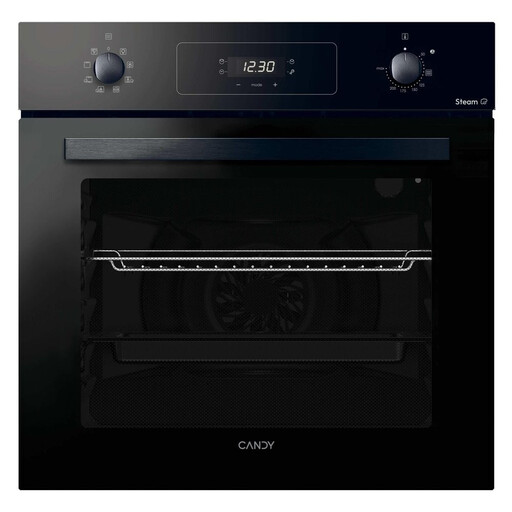
Candy FIDCN605 65 L built-in single oven, black
Consider this single oven if squash is usually cooked as part of a meal using one cavity. Its stated capacity is 65 L; check the supplied tray size against your usual quantity of wedges.
Confirm the cabinet opening and connection arrangement against its installation instructions before ordering.
View on Joybuy
 No image available
Bosch HHF113BA0B Series 2 built-in single oven, black
This single-oven format is worth considering when you do not regularly need a second cooking temperature. Check its fan setting, supplied tray and shelf arrangement for your family meal.
Compare the cabinet and electrical requirements for this exact model with your kitchen; do not assume the specifications of other Bosch ovens apply.
View on Joybuy
 No image available
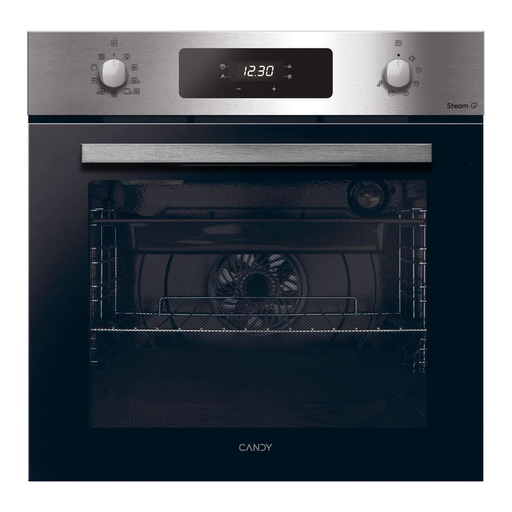
Candy F CM955XRL/CN built-in single oven with pyrolytic cleaning
Consider this single oven if you want to compare a pyrolytic cleaning option alongside the cooking space you need for squash. Follow the model’s instructions for preparing and running a cleaning cycle.
Check the supplied tray, required cabinet opening and electrical connection before choosing it.
View on Joybuy
 No image available
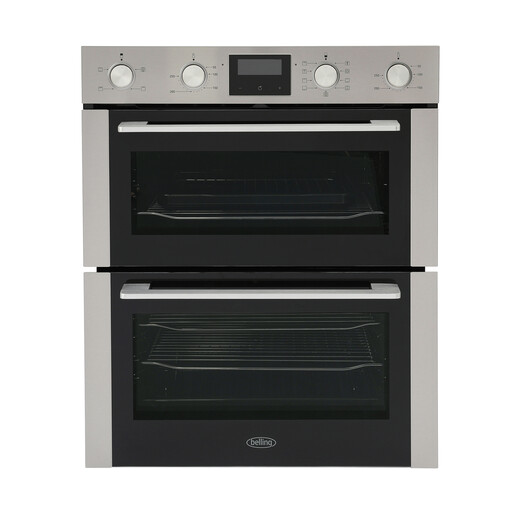
Belling BEL BI703MFC built-under electric oven, stainless steel
Consider this built-under option if you want to cook squash while using a separate cavity for another meal task. Check that its cavity and supplied tray suit the quantity you roast.
Match its built-under installation and electrical requirements to your kitchen before ordering.
View on Joybuy
 No image available
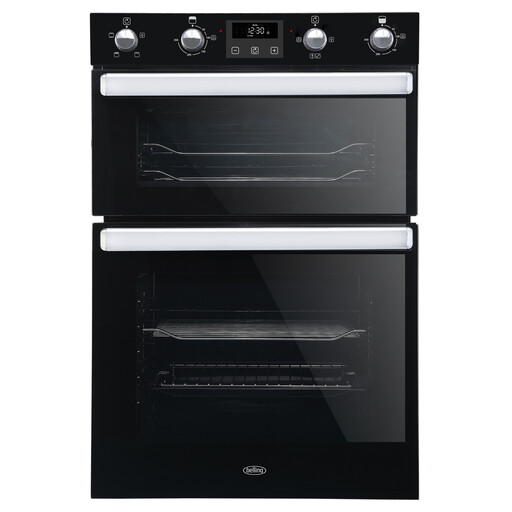
Belling BEL BI902FP built-in double electric oven, black
This double-oven format is relevant if squash and another dish often need different cooking times or temperatures. Compare the usable space and cooking methods of each cavity with your meal plan.
Confirm the cabinet opening, connection requirements and included trays for this model.
View on Joybuy
Questions about choosing an oven
Is a single fan oven enough for family roast squash?
A single fan oven is a sensible starting point if squash is usually one tray within the meal and you do not need another dish cooking at a separate temperature. Check the tray and shelf space for your usual quantity. Bosch, Neff and AEG describe fan systems on specific models, but those manufacturer descriptions are not independent evidence of identical roasting results.
When is a double oven worth considering?
Consider a double oven when you regularly cook squash alongside a dish that needs a different temperature, timing or grilling task. Check both cavities individually, as well as the cabinet opening and electrical requirements; AEG lists a 66 L main cavity and hardwired connection for its OU5NP20B, not for double ovens generally.
What should I measure before ordering a built-in oven?
Measure the cabinet opening and compare all required dimensions with the chosen model’s installation instructions. Also check the specified connection, electrical loading and ventilation requirements. A shared front-width description does not establish that a single oven and a double oven fit the same opening.
Should an electrician fit a built-in oven?
Arrange qualified installation advice for the particular oven and kitchen connection. Electrical Safety First advises having an oven fitted by a qualified electrician and checking its power requirements; the installation instructions establish what connection the model requires.
Which cleaning method should I choose after roasting vegetables?
Choose a cleaning method whose procedure you are willing to follow, rather than assuming one named feature suits every household. Bosch lists pyrolytic and hydrolytic cleaning on the HQA574BB3B, while Neff lists pyrolytic cleaning with Easy Clean on the B54CR71N0B. Follow the exact oven’s instructions and let it cool before routine cleaning.


