Moist-fish cooks
If delicate fish parcels are a regular meal, you may value adjustable cooking settings, steam assistance or a temperature probe to help you monitor doneness rather than relying on recipe time alone.


For occasional fish parcels, start with a full-size built-in single fan oven that fits your usual tray and kitchen installation; a specialist cooking mode should not outweigh those basics. Consider steam assistance or a temperature probe if greater control over moisture and doneness matters to you, and choose a larger multilevel or double oven when you regularly cook other dishes alongside the fish. Check the exact model’s dimensions, electrical connection and cleaning system before ordering.
If delicate fish parcels are a regular meal, you may value adjustable cooking settings, steam assistance or a temperature probe to help you monitor doneness rather than relying on recipe time alone.
If you usually cook one meal at a time, focus on a built-in fan oven that fits your tray and installation. Which? advises against letting an oven’s feature list distract from cooking performance.
If fish parcels share the meal with sides or other dishes, usable cavity space, stated multilevel cooking or separate oven cavities may matter more than a dedicated cooking mode.
Decide how much you normally cook at once before comparing optional steam and cleaning features. A double oven offers separate cavities; multilevel cooking is a model-specific feature that can also be found in some single ovens.
| Concern | What to check | Who this matters to |
|---|---|---|
| Heat and doneness | Confirm the exact fan mode. If wanted, check whether steam assistance or a temperature probe is included. | When I cook delicate fish, I want to adjust the cooking and check doneness rather than trust a timer alone; around 33% of consumers put heat and doneness control first. |
| Meal capacity | Compare usable cavity space and stated multilevel cooking with your usual trays; consider separate cavities if dishes need different settings. | Cooking fish alongside sides makes space for the whole meal my priority. Around 27% of consumers place meal capacity first. |
| Kitchen fit | Check appliance and cabinet-opening dimensions, electrical requirements and the model’s energy information. | Before choosing cooking functions, I need an oven that fits my housing and can be connected appropriately; around 20% of consumers make installation fit their primary concern. |
| Cleaning effort | Identify the exact cleaning system and read its manual requirements, including any accessory removal. | Leaking parcels can leave residue, so I want to know how much cleaning follows a meal. For around 20% of consumers, cleaning effort comes first. |
An extensive feature list does not establish that an oven cooks evenly. Which? cautions that the basics of cooking performance still matter.
Compare the fan settings and controls you would actually use, and consult independent cooking tests where available.
Built-in models can differ in their cabinet and electrical requirements. Electrical Safety First advises checking an oven’s power requirements before choosing it.
Read the exact installation instructions and confirm the cabinet opening, supply and fitting requirements before ordering.
These features do not establish doneness for a particular parcel; the fish and cooking conditions still need attention.
Follow the recipe and any packaging instructions, then check the fish itself rather than relying only on a programme or timer.
Pyrolytic and steam-based cleaning are different systems, and their preparation and wiping requirements vary by model.
Check the exact cleaning method and manual instructions, particularly if parcels often leak onto the oven floor.
Bosch offers built-in fan ovens with different cooking and installation arrangements.
AEG’s NBR6P531SB is a built-in option for consumers interested in steam assistance and probe-led cooking.
NEFF has built-in models aimed at multilevel hot-air cooking.
Hotpoint’s HOI98PT2SBUK is a single-oven option to examine when several dishes need to share a cooking session.
These built-in ovens cover single-oven and double-oven layouts for fish parcels. Compare each model’s cooking functions, housing and electrical requirements against the meals you usually make; the selection does not establish which oven cooks fish more evenly.
 No image available
Consider this double-oven layout if you regularly cook fish parcels alongside a dish that needs a separate cavity.
Check the required housing dimensions and electrical connection before choosing it for your kitchen.
 No image available
Its double-oven format is worth considering when fish and another dish need separate cooking spaces.
Check that the intended housing and electrical supply suit this model, particularly if you need an under-worktop installation.
 No image available
Consider a single-cavity oven like this if fish parcels are usually a one-tray meal rather than part of a meal needing separate ovens.
Confirm the required cabinet opening and electrical supply before ordering.
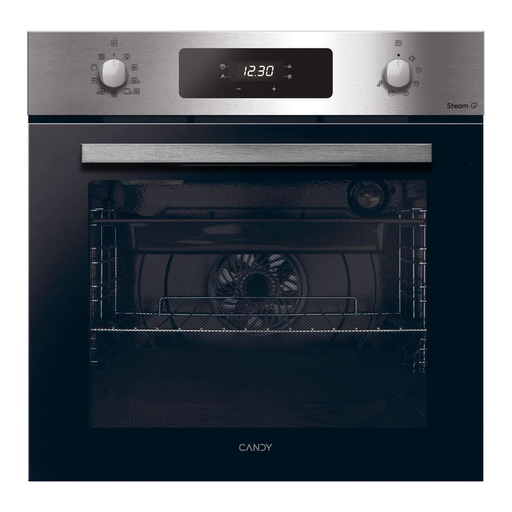 No image available
This single-oven option is worth examining if cleaning after cooking fish parcels is a particular concern.
Follow the model’s instructions for preparing and running its pyrolytic cycle, and confirm the electrical and cabinet requirements.
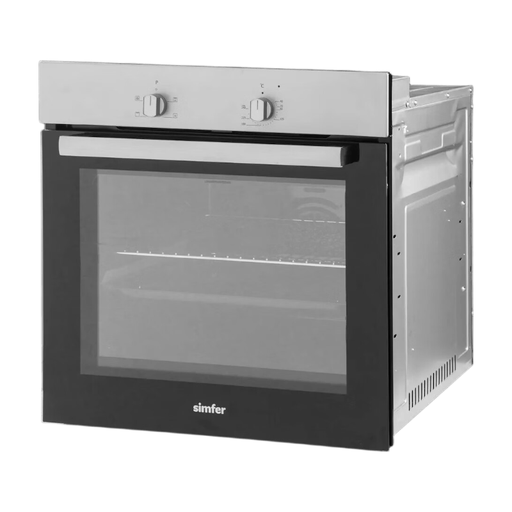 No image available
A single fan oven is a route to consider if you usually bake one tray of fish parcels at a time.
Measure the cabinet opening and check the electrical connection requirements before selecting this model.
No: a conventional fan oven can suit fish parcels if it fits your tray and cooking routine. Consider steam assistance when moisture control is a recurring priority, but do not treat a manufacturer’s description of the feature as a guaranteed result for every fish recipe.
Check the fish itself rather than relying only on the oven timer. FoodSafety.gov gives 63°C as a minimum internal-temperature benchmark for fish, or advises cooking until the flesh is no longer translucent and separates easily with a fork; follow any applicable packaging instructions too. This benchmark is not a statement of UK law.
No; connection requirements vary by exact model. Check the installation instructions and power requirements before ordering. Electrical Safety First advises avoiding overloaded wiring and using a qualified electrician where fitting requires one.
Compare the energy label and product information document for the exact ovens you are considering, rather than inferring running costs from a cooking feature. GOV.UK advises checking the applicable energy-labelling rules and the product information document when creating a label.