Everyday fish-pie cooks
If you usually bake one family dish at a time, a single cavity with a fan setting may cover your cooking needs without taking up space for a second oven. Check that your usual fish-pie dish fits.


For a fish pie cooked as part of an everyday meal, start with a built-in single electric oven that has a fan or hot-air setting. Electrical Safety First describes fan ovens as offering even heat distribution, but the right format also depends on your dish, cabinet and electrical connection. A double oven becomes useful when you regularly cook another dish separately; choose a built-under format when the oven must fit below the worktop.
If you usually bake one family dish at a time, a single cavity with a fan setting may cover your cooking needs without taking up space for a second oven. Check that your usual fish-pie dish fits.
If sides or dessert often need a different temperature or timing from the fish pie, a double oven gives you a separate cavity. It also needs suitable housing and an electrical connection.
If the oven must go below a worktop, look at built-under models and compare their installation dimensions, cavity space and electrical requirements with your kitchen before choosing features.
Choose when: A fish pie is usually the main oven dish and one cavity meets your meal routine.
Trade-off: Dishes needing different oven temperatures cannot cook independently.
Choose when: You regularly need a second cavity for a side dish, dessert or another course.
Trade-off: The tall housing format may not suit a single-oven opening.
Choose when: The appliance must sit below the worktop.
Trade-off: Check the space available for your usual dish rather than assuming a built-under oven has the same cavity layout as a full-height single oven.
| Concern | What to check | Who this matters to |
|---|---|---|
| Fan cooking and browning | Look for a named fan or hot-air setting. Follow the fish-pie recipe and the oven's instructions for shelf position and cooking settings. | If I want heat distributed around a fish pie, the fan setting matters more to me than unrelated cooking programmes; around 36% of consumers put this cooking need first. |
| Cavity space | Measure your usual dish and compare it with the oven's usable space; decide whether you regularly need a second cavity. | When sides or dessert need their own oven temperature, I want somewhere to cook them while the pie is in the main cavity. Around 29% of consumers prioritise that flexibility. |
| Fit and electrical connection | Compare the model's installation diagram with the cabinet opening, then check its connection method and electrical loading. | If I am replacing a fitted oven, a suitable cabinet and electrical installation come before extra features; around 21% of consumers make fit and connection their primary concern. |
| Cleaning access | Check whether the exact model has a steam-clean cycle, catalytic lining or removable-door access, and read its care instructions. | When creamy filling spills over, I want an oven I can clean without awkward access; for around 14% of consumers, upkeep takes priority. |
Single, double and built-under formats have different installation dimensions. For example, Bosch lists the MBA533BB3B double oven at 888 mm high, while NEFF lists the B3ACE4AG3B single oven at 595 mm high.
Measure the housing and compare it with the exact model's installation diagram, including depth and required clearances.
An unsuitable opening may mean altering the cabinet before fitting the oven.
Electrical Safety First describes even heat distribution as a feature of fan ovens, but the dish, filling and shelf position still affect how you follow a recipe.
Use the instructions for both the recipe and the particular oven rather than applying another model's settings automatically.
Electrical Safety First advises checking an oven's power requirements because some models need a fixed connection. Bosch and NEFF specify electrician electrical connection for the MBA533BB3B and B3ACE4AG3B respectively.
Check the model's installation instructions, electrical loading and existing circuit with a competent installer before ordering.
The installation may involve electrician work or changes to the existing electrical provision.
A double oven gives dishes separate cooking space, but its taller format needs suitable housing. An oven buying guide distinguishes everyday single-oven needs from cooking that calls for multiple cavities.
Think about how often your fish pie actually shares oven time with a dish needing separate settings.
Hotpoint's HO 455H B UK is a built-in single oven to consider if you want a fan-cooking mode and model-specific cleaning features.
Bosch's MBA533BB3B is a built-in double oven for cooks who regularly need a second cavity.
NEFF's B3ACE4AG3B is a built-in single oven with door-access and cleaning features.
AEG's OU5CU40M is a built-under oven to assess when the appliance must sit below a worktop.
These models cover single-cavity fish-pie cooking, separate-cavity meals and a built-under arrangement. Choose the format for your meal routine, then check the exact model's cabinet and electrical requirements.
 No image available
Consider this built-in double oven if you regularly cook a fish pie alongside a dish needing a separate cavity. Bosch lists 3D Hotair in its main oven, and the Joybuy listing gives 71 L and 34 L cavity capacities. Check that the tall housing and electrical connection suit your kitchen.
 No image available
Consider this built-in single oven when one cavity suits your fish-pie meals. Check its fan-cooking instructions for your recipe, and confirm the housing and hard-wired connection requirements before ordering.
 No image available
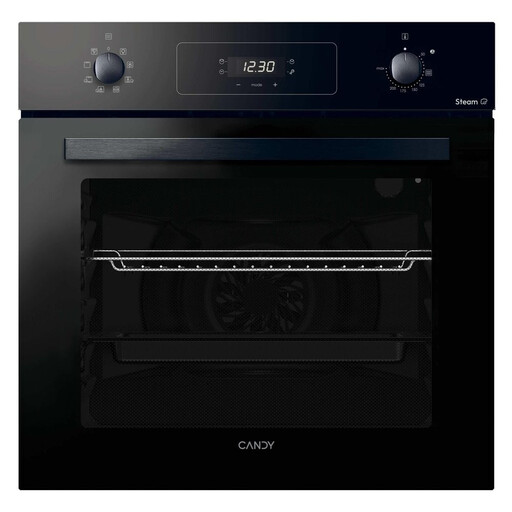
Consider this 65 L built-in single oven for a one-cavity fish-pie meal if its fan-assisted setting meets your cooking needs. Check the model's connection instructions and cabinet fit before purchase.
 No image available
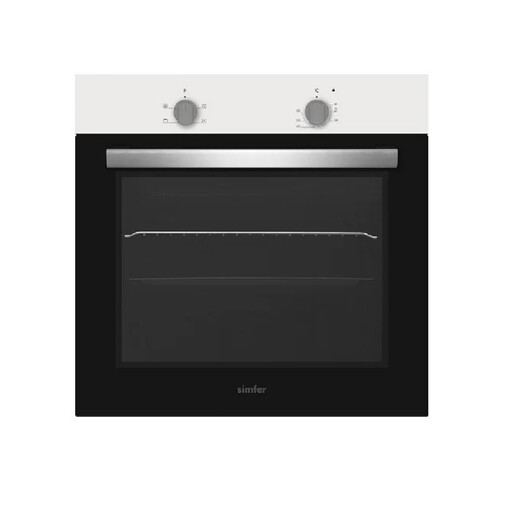
Consider this built-in single oven if one fan-cooking cavity suits your usual fish-pie dish. Confirm the appliance and cabinet cut-out dimensions using its installation instructions; packaging dimensions are not fitting dimensions.
 No image available
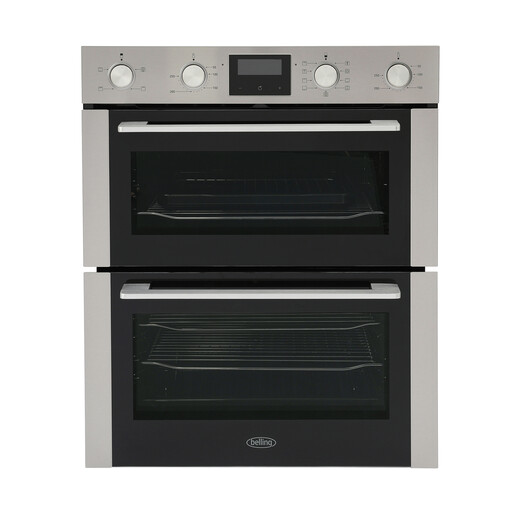
Consider this built-under oven if you need to cook a fish pie below the worktop while retaining a separate cavity for another dish. Check the model's installation dimensions and electrical connection against your kitchen before choosing it.
Yes, a fan or hot-air cooking mode is a relevant option: Electrical Safety First says fan ovens offer even heat distribution. Use the setting specified for your oven and follow the fish-pie recipe or packaging instructions for cooking temperature, time and shelf position.
A single oven suits a routine built around one oven dish; a double oven is worth considering when sides or dessert regularly need a separate temperature or timing. Check that the double oven's taller housing format and electrical requirements suit your kitchen.
Do not assume a built-in oven uses a plug: Electrical Safety First says some ovens need a fixed electrical connection. Check the model instructions and ask a competent local installer to assess the existing circuit and installation route. GOV.UK's Approved Document P concerns electrical safety in dwellings in England; requirements differ across the UK, so do not apply one nation's rules to every installation.
Measure the cabinet opening and compare it with the exact oven's installation diagram, including required clearances. Check that your fish-pie dish fits the usable cavity, and confirm the appliance's electrical loading and connection method rather than relying on a nominal 60 cm description.
No cleaning feature is required to bake a fish pie, but access and upkeep may matter if fillings often spill. Compare the exact model's cleaning method and care instructions: Hotpoint lists a steam-assisted cycle for the HO 455H B UK, while AEG lists catalytic cleaning for the OU5CU40M.