Hosts baking one cobbler
If the dessert is your main oven task, focus on a cooking mode your recipe can use, controls you can read easily and a cavity that fits your dish. A second cavity need not drive the choice.


For one birthday fruit cobbler, start with a single oven that has a clearly identified heated-fan mode, suitable temperature controls and room for your baking dish. Consider a double oven or a model with documented multi-level cooking if the rest of the party menu needs oven space at the same time. Check the cabinet opening, electrical connection and recipe-compatible cooking modes before making steam or cleaning features a deciding factor.
If the dessert is your main oven task, focus on a cooking mode your recipe can use, controls you can read easily and a cavity that fits your dish. A second cavity need not drive the choice.
If other party dishes need the oven while the cobbler bakes, separate cavities or a model with documented multi-level cooking may help. Check whether the dishes need different temperatures as well as space.
Steam-assisted modes, food sensors or automatic programmes may matter for your wider baking routine. Check how each function works on the particular model rather than treating it as necessary for fruit cobbler.
Decide how many dishes must cook at once, then check the heating modes and whether the oven can be installed in your kitchen. Capacity and added functions matter only if they serve that plan.
| Concern | What to check | Who this matters to |
|---|---|---|
| Browning and topping | Identify the heated-fan mode and check whether your recipe gives a fan setting or calls for conventional heat. | If the topping is my main worry, I want a baking mode I can match to the recipe rather than relying on a fan symbol alone. Around 29% of consumers put dependable baking heat first. |
| Party-menu capacity | Check the dish fit, number of cavities and stated shelf arrangements for the cooking mode you plan to use. | When dinner and dessert need the oven together, I need to know whether they can follow their own timings. Roughly 24% of consumers make space for the wider menu their primary concern. |
| Fit and connection | Compare the cabinet opening with the exact installation drawing, and check the model’s electrical connection requirements. | If the new oven must go into an existing housing, I need it to fit and connect appropriately before its features matter. About 29% of consumers prioritise installation compatibility. |
| Cleaning and routine use | Read how the stated cleaning system works and what must be removed or cleaned by hand. | After a fruit filling bubbles over, I want a cleaning routine I can manage alongside regular baking. Around 18% of consumers put upkeep first. |
Which? distinguishes an oven with a rear heating element around the fan from settings that circulate heat supplied by other elements. The modes need not suit the same recipe settings.
Read the model’s function list and manual. Look for a heated-fan or hot-air programme, and check for conventional top-and-bottom heat if you use recipes written for that mode.
An appliance’s outside dimensions do not tell you the full cabinet-opening or connection requirements. The cited Bosch HQA534BB3B and NEFF U1ACE2AG3B instructions specify electrical connection by an electrician.
Measure the opening and depth, compare them with the exact model’s installation drawing, and check the electrical requirements before arranging installation.
Bosch and AEG describe steam-assisted baking functions on particular models, while Hotpoint lists automatic programmes on its HO 455H B UK. Those features do not establish which setting your cobbler recipe needs.
Choose an added function for baking you do regularly. For the birthday cobbler, confirm the ordinary cooking modes, dish fit and temperature instructions first.
These model examples show different functions to investigate; a feature listed for one oven should not be assumed across its brand’s range.
The Series 4 HQA534BB3B is a built-in fan oven with an added-steam function.
The cited models include the B1GCC0AN0B single oven and U1ACE2AG3B double oven.
The GA5CB50FAB is a 5000 SurroundCook built-in oven with true-fan cooking and SteamBake.
The HO 455H B UK is a built-in single multifunction oven with listed cleaning and automatic-programme features.
These built-in single and double ovens offer choices for a one-dessert plan or a party menu that needs more cooking space. Check each model’s heating modes, usable dish space and installation instructions against your own plan.
 No image available
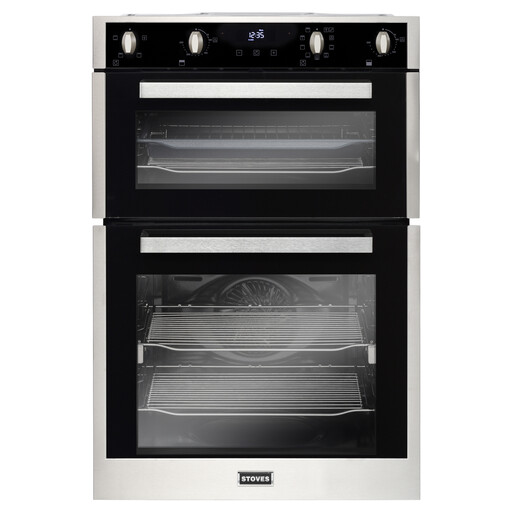
Consider this double oven if the party menu calls for a separate cooking cavity alongside the cobbler.
Its name specifies a 90cm built-in double multifunction design. Check the installation drawing, electrical requirements and cooking modes for each cavity before choosing it.
 No image available
A double-oven layout is worth considering when other dishes need oven space while the cobbler bakes.
Check the heating modes in both cavities, the cabinet cut-out and the electrical connection against your menu and kitchen.
 No image available
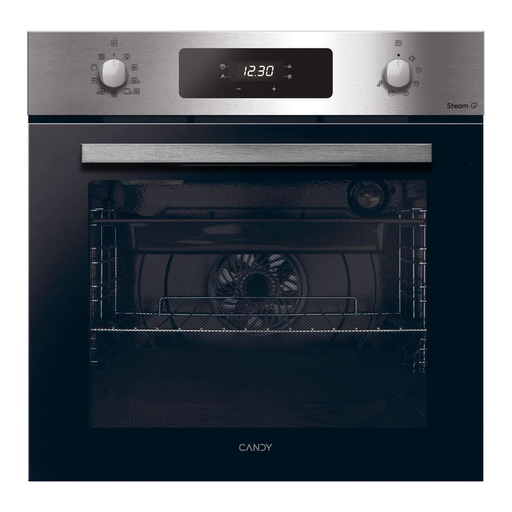
A single cavity may suit a cobbler that can be baked separately from the rest of the meal.
Check the model’s documented fan and conventional modes against your recipe, as well as its installation drawing and electrical requirements.
 No image available
This single oven may suit a one-dessert plan if a pyrolytic cleaning function also fits your regular kitchen routine.
Check its baking modes, installation requirements and cleaning instructions, including which accessories must be removed before a cleaning cycle.
 No image available
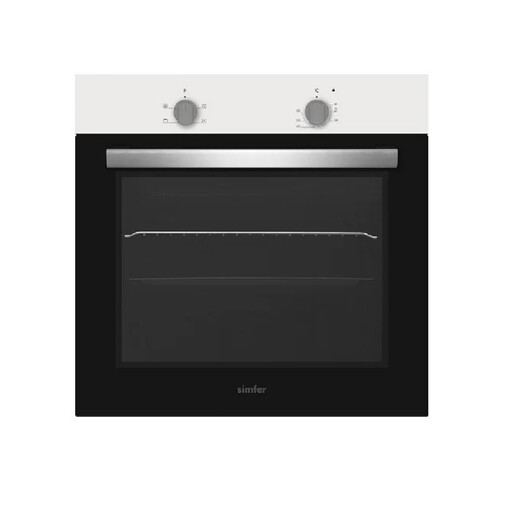
A single oven is a starting point when the cobbler does not need to share oven time with the main meal.
Confirm the available heating modes and temperature controls for your recipe, then check dish fit, the installation cut-out and electrical connection.
Not if the cobbler can have the oven to itself or bake after the main meal. Consider a double oven when other dishes need separate cooking space or different timings; check that the second cavity offers the modes your menu requires.
Use the mode and temperature specified by your recipe where your oven provides them. Which? explains that a true fan oven circulates air heated by an element around the fan; if the recipe gives only a conventional setting, consult the oven manual’s guidance rather than guessing a fan temperature.
No steam-assisted function is required to choose an oven for this cobbler. Bosch and AEG describe such functions on particular models, but choose one for baking you do more broadly and make sure the oven also has a mode suited to your recipe.
Check the exact model’s installation drawing, cabinet opening, ventilation instructions, electrical loading and connection type before purchase. The cited Bosch HQA534BB3B and NEFF U1ACE2AG3B specify connection by an electrician. For homes in England, GOV.UK publishes Approved Document P on electrical safety in dwellings; check the requirements applicable to your location and installation.