Batch-baking bake-sale organiser
You need several tartlet trays ready within a limited preparation window. Stated multi-level fan cooking matters more to you than simply having a fan setting.


For several trays of tomato tartlets, start with a full-size fan oven whose manufacturer states that its cooking mode supports multiple shelf levels, then check that your tins fit. Consider a double oven when you regularly need separate cavities or temperatures; its taller installation space and electrical requirements may make it unnecessary for one tartlet batch.
You need several tartlet trays ready within a limited preparation window. Stated multi-level fan cooking matters more to you than simply having a fan setting.
You want to prepare more than one tray, but the new oven must suit your existing cabinet opening and electrical connection. Installation fit comes before extra features.
You may need to cook another dish while the tartlets bake. Two cavities are worth considering if your kitchen can accommodate a built-in double oven.
Work out how many of your own tins must bake together, then compare the oven’s shelf guidance with its cabinet and electrical requirements. A cavity’s stated capacity alone cannot tell you whether a particular tray will fit.
| Concern | What to check | Who this matters to |
|---|---|---|
| Tray capacity | Compare your tins with usable shelf dimensions, shelf positions and the manual’s guidance for the cooking mode. | If I have a short window to prepare many tartlets, I need enough usable tray space to make each baking session count. Around 33% of consumers would put batch throughput first. |
| Multi-shelf baking | Look for an explicit multi-level claim for the exact model and fan mode; plan a trial batch with your tins. | When several trays bake together, I want to check how the pastry browns at each level before relying on that arrangement for the sale. Consistent multi-tray baking would be the main concern for around 27% of consumers. |
| Cabinet and electrical fit | Check the installation manual against the cabinet opening, ventilation space and required electrical connection. | If I am replacing an oven in an existing kitchen, I need to know it can be installed there before choosing its baking features. Around 27% of consumers would make fit and installation their primary concern. |
| Cleaning after batches | Compare the specified cleaning system and instructions for removing and cleaning shelves, rails and door glass. | When I bake for events regularly, I want an oven I can clean after tomato and pastry spills without overlooking its maintenance instructions. Ease of repeat use would come first for around 13% of consumers. |
A fan setting does not, by itself, establish how many shelves the manufacturer recommends using together. Bosch specifies up to three levels for the HHF113BR0B’s 3D Hotair system, and Neff makes an up-to-three-level claim for the B1DCC0AK3B’s CircoTherm; those claims should not be transferred to other models.
Check the exact oven’s mode and shelf guidance, then try a batch with the tartlet tins you intend to use.
Electrical connections differ as well as installation sizes. Bosch lists a GB plug for the HHF113BR0B, while the Electrolux KOFGC40LX is specified as hardwired and Neff lists electrician connection for the U2ACH7AG7B double oven.
Measure the opening and follow the exact model’s installation manual; consult a qualified installer where the required connection calls for one.
An unsuitable opening or electrical setup can mean additional installation work before the oven can be used.
The Food Standards Agency says food supplied at community or charity events must comply with food law and be safe to eat. The duties that apply to an organiser depend on the activity and how the tartlets are supplied.
Keep accurate ingredient and allergen information, and ask the relevant local authority about registration and applicable food-information requirements before the sale.
These model-specific examples provide useful features to compare; a brand name alone does not establish multi-tray performance or installation fit.
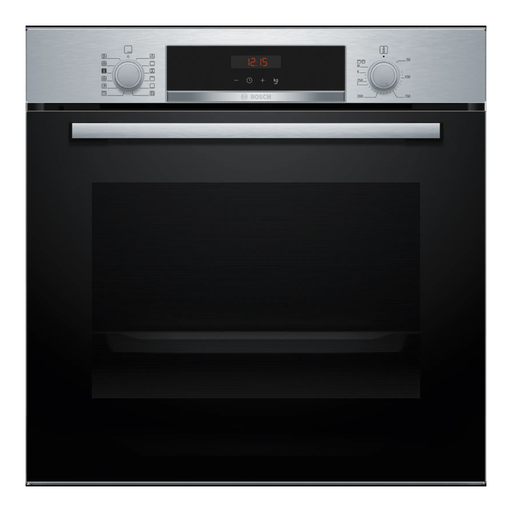
Relevant when comparing standard built-in fan ovens with a stated multi-level mode.
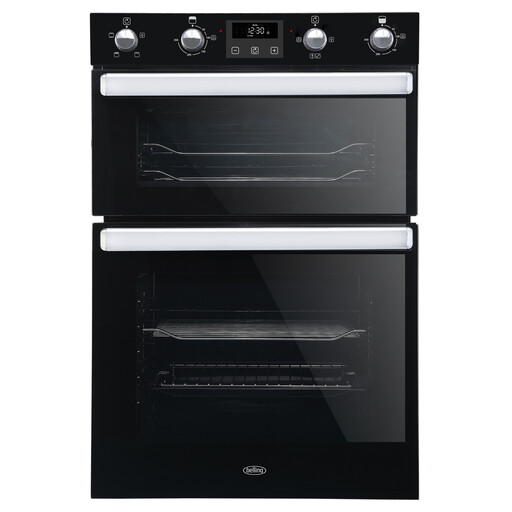
Relevant to a choice between a single oven with stated multi-level baking and a double-oven format.
Relevant when comparing a larger stated cavity, multi-level cooking and model-specific cleaning features.
These built-in options cover a single oven for a multi-tray batch and double ovens for households considering separate cooking cavities. Check each model’s shelf guidance, tin fit and installation requirements against your own kitchen.
 No image available
Consider the double-oven format if you need a separate cavity for another dish alongside the tartlets. Check the fan mode’s guidance for simultaneous shelf use and measure your tins; also confirm cabinet fit and hardwired installation requirements before ordering.
 No image available
A single-oven format is worth considering when the tartlet batch can use one cooking temperature. Check the exact model’s multi-level guidance and usable shelf dimensions against your tins, and confirm the electrical installation it requires.
 No image available
The double-oven format suits a plan to prepare tartlets and another dish in separate cavities. Before relying on several tartlet trays at once, check the main oven’s fan-mode shelf guidance and tin fit; confirm the cabinet and electrical requirements too.
Not if a single oven’s stated multi-level mode and usable shelves accommodate the batch you need to bake. A double oven becomes more relevant when you repeatedly need separate cooking cavities or temperatures, but its cabinet and electrical requirements need checking.
No: the connection depends on the exact model. Bosch lists a GB plug for the HHF113BR0B, whereas the Electrolux KOFGC40LX is hardwired and Neff lists electrician connection for the U2ACH7AG7B double oven. Check the installation instructions and your kitchen’s electrical setup before choosing.
Keep accurate information about the tartlets’ ingredients and allergens, and check which food-information duties apply to the way you supply them. The Food Standards Agency says food provided at community and charity events must comply with food law and be safe to eat; ask the relevant local authority about requirements for your sale.
Check with the relevant local authority rather than assuming a fundraising sale is exempt. Whether registration applies depends on the activity, including its scale and frequency; the Food Standards Agency’s community-event guidance makes clear that food supplied at such events must still be safe to eat.