Mushroom-tart home bakers
If pastry browning and a set filling are your main concerns, look for a stated fan-cooking mode, temperature controls you can use with your recipe and a shelf arrangement that takes your tart tin.


For routine mushroom-tart baking, start with a built-in single oven that has a clearly specified fan-cooking mode and fits your cabinet and electrical supply. A double oven makes more sense if you regularly need a tart and another dish at different settings; it needs a different fitted space, and connection requirements vary by model. Before ordering either format, check your tart tin against the usable shelf space and confirm the installation instructions for the exact oven.
If pastry browning and a set filling are your main concerns, look for a stated fan-cooking mode, temperature controls you can use with your recipe and a shelf arrangement that takes your tart tin.
Check the cabinet opening and electrical connection before comparing extra cooking or cleaning functions. Built-in ovens that look similar from the front can have different installation requirements.
If you often cook another course alongside a tart, consider whether documented multi-level fan cooking meets your needs or whether separate cavities would let you use different settings.
Decide whether one cavity meets your usual cooking needs, then check the fan mode, tart-tin space and installation requirements on the exact model. Treat added steam and cleaning systems as separate choices, not substitutes for those checks.
| Concern | What to check | Who this matters to |
|---|---|---|
| Pastry and filling control | Confirm the exact fan-cooking mode, temperature range and shelf guidance in the manual. | If my priority is getting the pastry and filling cooked as intended, I need settings I can match to my recipe rather than a generic convection label. Around 40% of consumers would put baking control first. |
| Kitchen fit and connection | Compare the cabinet opening and ventilation requirements with the installation sheet; check the connection method and electrical requirements. | Replacing an integrated oven, I need the new appliance to fit the opening and work with the available supply before its extra modes matter. For around 30% of consumers, fit and installation would be the primary concern. |
| Cooking alongside the tart | Decide whether compatible dishes can share fan-cooking shelves or need two cavities with separate settings. | When I prepare another dish at the same time, separate settings may matter more than capacity for a single tart. Around 20% of consumers would prioritise simultaneous cooking. |
| Cleaning after baking | Identify the cleaning system on the exact model and follow its maintenance instructions. | If I bake rich fillings frequently, I want to know how I will clean spills from the oven I actually use. Easier upkeep would be the leading concern for around 10% of consumers. |
Fan systems, available modes and shelf arrangements vary. Which? includes temperature accuracy and heat distribution in its built-in-oven testing, while manufacturers describe multi-level cooking for particular systems and models.
Check the shortlisted oven’s mode list, temperature range and shelf guidance. Where available, look at independent results for that exact model rather than relying on the category label.
Similar-looking built-in ovens can differ in connection method. Bosch lists a GB plug for HHF113BR0B but electrician connection for HQA534BB3B; AEG lists its OU5NP20B double oven as hardwired.
Use the exact installation sheet to check the opening, ventilation, connection and electrical requirements. Electrical Safety First advises having an oven fitted by a qualified electrician.
Changing the connection or adapting the cabinet can also mean arranging installation work before the oven can be used.
A double oven offers separate cooking spaces, but needs a taller fitted opening. That trade-off may bring little practical value if you rarely cook dishes at different settings together.
Choose the format around your regular cooking pattern, then measure the available cabinet space before shortlisting a double oven.
Bosch describes baking effects from added steam on its HQA534BB3B, but that model-specific claim does not establish that steam is needed for pastry with a mushroom filling.
Consider steam for your wider baking habits while checking the ordinary fan mode, recipe settings and tart-tin fit separately.
Bosch offers examples of built-in ovens with 3D Hotair, including the HHF113BR0B single oven. Its HQA534BB3B adds steam and EcoClean Direct.
The NEFF B2ACH7AG7B is a built-in single-oven example for shoppers considering multi-level hot-air cooking and specified cleaning functions.
AEG’s OU5NP20B is a built-in double-oven example with two cavities, a 66 L main oven and true-fan cooking.
These built-in ovens include single-cavity choices for routine tart baking and a double-oven choice for cooking another dish alongside it. Compare the named functions with your recipe, and check tart-tin clearance, cabinet fit and electrical instructions for the model you choose.
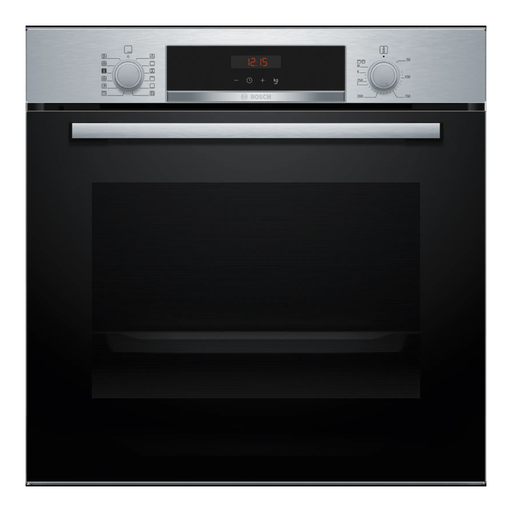 No image available
Consider this single-cavity model if you want to compare a pyrolytic cleaning feature alongside your tart-baking requirements. Check its cooking modes and usable shelf space against your recipe and tin, and confirm the connection and cabinet requirements before ordering.
 No image available
The double-oven format is worth considering if you regularly need a tart and another dish at separate settings. Check which cooking modes apply to each cavity, whether your tin fits and whether the taller built-in space and electrical supply suit this model; confirm the finish before ordering.
 No image available
This single-cavity format suits a shortlist centred on one tart or main dish at a time. Confirm the exact fan mode, temperature guidance and shelf clearance for your tin, then check cabinet and connection requirements for HHF113BA0B rather than those of a similarly named Bosch model.
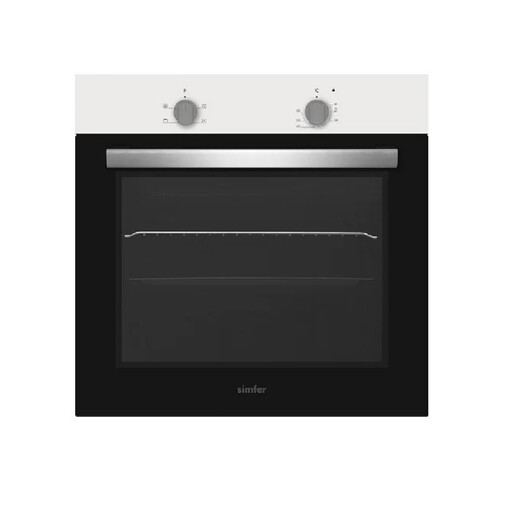 No image available
Consider FO60W if a single oven fits your cooking routine, but check the available modes and shelf space against your tart recipe and tin. Confirm the cabinet measurements from the manufacturer’s installation instructions and check the supplied electrical connection before purchase.
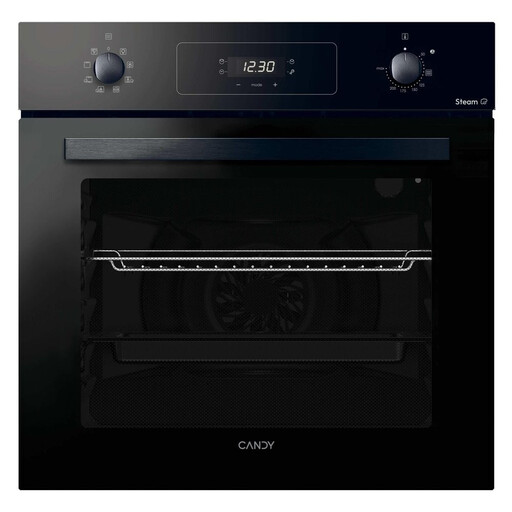 No image available
The stated 65 L capacity identifies the cavity volume, not whether a particular tart tin fits. Check the fan setting, usable shelf dimensions and cleaning instructions for FIDCN605, and confirm its connection arrangement against the installation instructions.
Not automatically: use the recipe’s fan setting and the instructions for your exact oven as your starting points. AEG advises a 20°C reduction for its SurroundCook/True Fan Cooking system compared with a conventional setting, but that guidance should not be applied to every model and recipe.
Do not plan on an extension lead as a substitute for the connection specified for the oven. Electrical Safety First warns that ovens can draw substantial power; follow the exact appliance instructions and ask a qualified electrician about an uncertain supply.
Check the connection instructions and the work needed in your kitchen before ordering. Some models require hardwiring, and Electrical Safety First advises qualified installation; requirements for fixed electrical work also depend on where the kitchen is located.
No. Cavity volume does not tell you the usable shelf width, depth or clearance above the tin. Compare your tin’s outside dimensions, including any handles, with the exact oven’s usable shelf or tray measurements.
Keep the model details and register the appliance with its manufacturer. Electrical Safety First says registration helps manufacturers contact owners about safety recalls.