Consistency-focused biscuit bakers
If your oat biscuits brown unevenly or catch at the edges, heat distribution and temperature control deserve attention. Which? identifies both as important oven-performance checks.


For oat biscuits, start with heat distribution and temperature control rather than the number of cooking programmes: Which? identifies uneven heat as a cause of burnt biscuit edges. If you regularly bake several trays, look for multi-level fan cooking on the exact model; whether you choose a single or double oven, check the cabinet opening, electrical connection and cleaning method before ordering.
If your oat biscuits brown unevenly or catch at the edges, heat distribution and temperature control deserve attention. Which? identifies both as important oven-performance checks.
If you regularly fill several trays, check that the exact model states multi-level fan or hot-air cooking. Bosch and Neff each describe this capability for specific built-in models, but the claim should not be extended to every oven in their ranges.
If the new oven must fit existing housing, compare its installation drawing with your cabinet and electrical provision. Connection arrangements vary between models, and Electrical Safety First advises having an oven fitted by a qualified electrician.
For oat-biscuit baking, consider the result you want from a tray first, then how many trays or separate dishes you cook and what your kitchen can accommodate.
| Concern | What to check | Who this matters to |
|---|---|---|
| Even browning | Check for a fan or hot-air mode and, where available, independent heat-distribution and temperature-control results for the exact model. | I want a tray of oat biscuits to brown without burnt edges or noticeably paler patches. Around 36% of consumers put even browning first. |
| Batch baking | Check the number of cooking levels specified for the relevant fan mode; do not assume that cavity size alone establishes multi-tray performance. | When several trays need baking in one session, I want to know whether the oven is intended for use across levels. Around 29% of consumers prioritise batch capacity. |
| Fit and installation | Compare the exact installation drawing with your cabinet, then check the stated electrical load and connection requirements. | Replacing an integrated oven is only useful if it fits the housing and can be connected appropriately. For around 21% of consumers, fit and installation are the primary concern. |
| Cleaning and controls | Identify the exact cleaning method and check whether the timer and controls suit your routine. | After frequent baking, I would rather choose a cleaning method and controls I am comfortable using. Cleaning and straightforward operation come first for around 14% of consumers. |
Similar-looking built-in ovens can require different cabinet openings, depths and electrical connections. A mismatch can prevent the planned installation.
Measure your housing and compare it with the exact model’s installation drawing. Check its electrical requirements before arranging fitting.
Which? identifies heat distribution and control accuracy as important to baking; uneven heat can leave biscuit edges burnt while other areas remain pale.
Look for independent results for the exact oven where available. Treat a manufacturer’s airflow description as a feature claim, not a promise about your biscuits.
A stated multi-level mode does not settle how a particular oat-biscuit recipe will brown. Biscuit thickness, tray material and shelf position can affect the result.
Use the model’s stated cooking levels to narrow your choices, then watch the first batch and adjust tray positions or timing if needed.
Steam-assisted and pyrolytic systems address residue differently; crumbs and spills still need attention.
Follow the model’s cleaning instructions and let the oven cool fully before manual cleaning.
These brand examples point to features on particular built-in ovens, not a baking result shared by every model in a range.
The BBIF12311 is a built-in single fan oven to consider if one cavity suits your baking routine.
The HHF113BR0B is a built-in option for bakers comparing stated multi-level capability.
The B1GCC0AN0B is another built-in model with a stated option for baking on several levels.
AEG has distinct single- and double-oven examples for buyers weighing cleaning features against the usefulness of separate cavities.
These built-in single and double ovens offer different formats to consider for oat-biscuit baking. Check each model’s fan-cooking modes, installation requirements and cavity arrangement against the way you bake.
 No image available
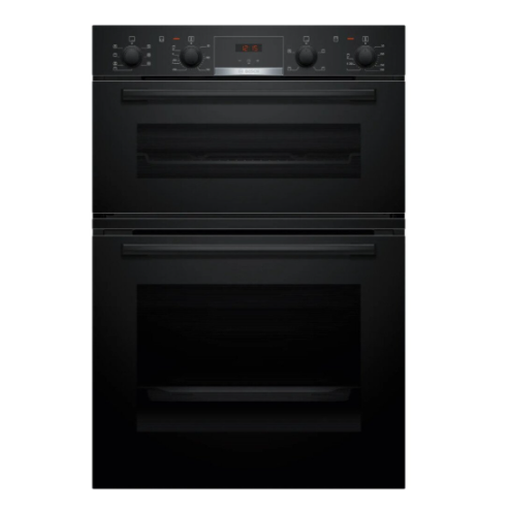
Consider the double-oven format if you need separate cavities for biscuits and another dish.
Check the stated fan-cooking levels and installation drawing for this MBA533BB3B before choosing it for batch baking. If it needs to sit beneath a worktop, confirm that the intended installation position is suitable.
 No image available
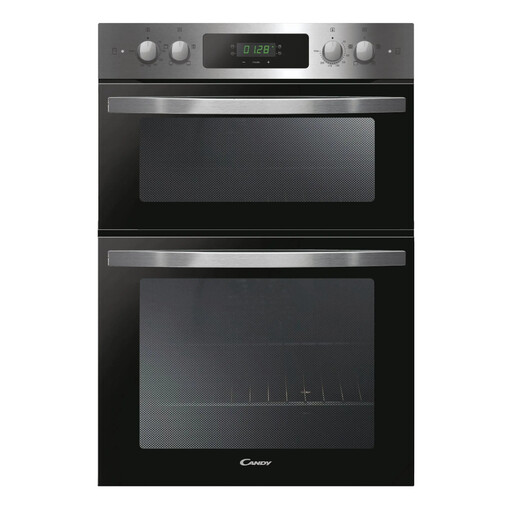
A double oven is worth considering if you want biscuits and another dish in separate cavities.
Check the cooking modes for each cavity rather than assuming that both use a fan. Compare the installation instructions with your cabinet and electrical provision.
 No image available
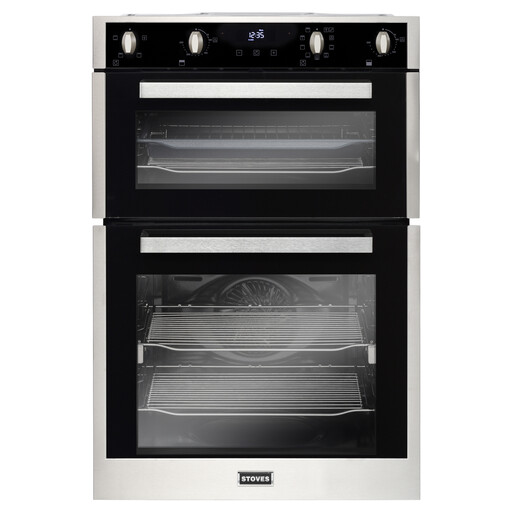
This double-oven format may suit a routine that calls for biscuits in one cavity and another dish in the other.
Before using it as a batch-baking choice, confirm the relevant fan mode and supported shelf positions. Check its housing and connection requirements for your kitchen.
 No image available
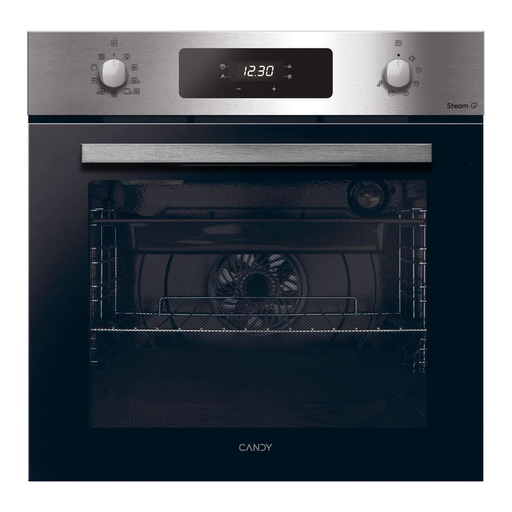
Consider this single-oven format if one cavity covers your baking needs and pyrolytic cleaning is a feature you want.
Check its fan-cooking mode, cabinet opening and electrical requirements before ordering. Pyrolytic cleaning does not remove the need to follow the oven’s routine cleaning instructions.
 No image available
The double-oven arrangement may help if you bake biscuits while preparing another dish separately.
Its stated 90 cm format does not establish the required cabinet opening. Compare the exact installation drawing with your housing, and confirm the fan mode and electrical requirements.
Plan for the connection specified for the exact oven rather than assuming all built-in models install alike. Electrical Safety First advises having an oven fitted by a qualified electrician; Bosch lists a GB plug for its HHF113BR0B, while Neff specifies no plug and electrician connection for its B1GCC0AN0B. Check the model instructions and your electrical provision before ordering.
You can shortlist ovens that explicitly state multi-level hot-air cooking, but the feature does not guarantee identical browning on every tray. Bosch specifies up to three levels for the HHF113BR0B and Neff does so for the B1GCC0AN0B; watch your first batch and adjust timing or tray positions to suit your recipe.
Measure the available cabinet space and compare it with both the appliance dimensions and the required opening in the exact model’s installation drawing. Check the specified installation position and electrical connection too; the dimensions of one built-in oven cannot be assumed to fit another.
A double oven is useful when you want separate cavities for biscuits and another dish, rather than simply more shelf positions in one cavity. Check the cooking mode in each cavity, the required housing and the electrical load before deciding whether that flexibility suits your kitchen.
No: cleaning features work in different ways and still leave routine tasks. Beko describes SimplySteam on the BBIF12311 as helping soften residue, while AEG lists pyrolytic cleaning on the OU5PB40PM; follow the exact model’s instructions and let the oven cool fully before manual cleaning.