Lunchbox sponge bakers
You want a fan setting that matches your recipe, a timer you can use easily and enough shelf clearance for your baking dish. Maximum oven capacity matters less if you usually bake one sponge at a time.


For one treacle sponge dish, start with a single fan oven that can accommodate your dish and offers the setting and timer controls your recipe calls for; a second cavity is useful only if you regularly cook other dishes at the same time. Before ordering a built-in model, check the cabinet opening, connection requirements and model-specific energy information.
You want a fan setting that matches your recipe, a timer you can use easily and enough shelf clearance for your baking dish. Maximum oven capacity matters less if you usually bake one sponge at a time.
You need to match the cabinet opening and the model’s installation requirements before deciding which baking features to choose.
You often bake alongside other dishes, so a second cavity, multi-level cooking or cleaning features may be worth considering for your wider routine.
Start with the fan setting and space needed for your sponge dish, then check installation fit and whether extra cooking or cleaning features would earn their place in your kitchen.
| Concern | What to check | Who this matters to |
|---|---|---|
| Recipe-compatible baking | Check for a selectable fan setting, timer and clearance for your dish. The recipe reproduced by Recipe Finder from BBC Good Food uses 160°C fan heat and a 1.5-litre dish. | If I bake one sponge for lunchboxes, I want to follow my fan-oven recipe without guessing at the setting. Around 42% of consumers put recipe-compatible baking first. |
| Built-in fit and connection | Compare the cabinet opening with the model’s installation dimensions, then check its electrical or gas connection requirements. | When replacing a built-in oven, I need the new appliance to fit and connect safely before extra functions matter. Roughly 33% of consumers prioritise installation fit. |
| Cleaning and wider cooking | Decide whether another cavity, multi-level cooking or a cleaning function would help with your regular meals; compare model-specific energy information. | Sticky syrup and frequent cooking alongside other dishes make upkeep and usable cooking space more important to me. About 25% of consumers put those wider cooking needs first. |
The treacle sponge recipe reproduced by Recipe Finder from BBC Good Food starts at 160°C fan and gives a 35–40 minute baking window. Airflow claims cannot tell you whether your dish fits or when its sponge is done.
Check the exact oven’s fan setting, timer and dish clearance. Follow your recipe’s doneness guidance rather than relying on the timer alone.
Built-in ovens can differ in both dimensions and connection arrangements. Electrical Safety First notes that some ovens use a plug while others need hardwiring.
Measure the opening, read the model’s installation instructions and confirm the connection arrangements with a qualified installer before ordering.
A second cavity or enhanced cleaning system addresses wider cooking or upkeep needs; it is not necessary just to bake one dish of treacle sponge.
Choose those features if you regularly cook other dishes at the same time or would use the cleaning function often.
Ingredients and additions can change whether the finished food needs chilling. GOV.UK advises that cooked food requiring refrigeration should be cooled and put in the fridge within one to two hours.
Follow your recipe and ingredient-specific storage instructions, particularly if you add a perishable filling or topping.
The Series 2 HHF113BR0B is a 60 × 60 cm built-in oven with 3D Hotair and a GB plug.
The N 30 B1GCC0AN0B is a 60 × 60 cm built-in model using CircoTherm hot-air cooking.
The 6000 SurroundCook OU5NP20B represents the built-in double-oven route, with true fan cooking and a 66 L main cavity.
The Class 6 ActiveMultiflow HOI68PT1SXUK is a built-in fan oven with air-fry and DualClean functions.
These built-in single and double ovens offer different routes for baking a sponge alongside your usual cooking. Choose between them according to your existing installation, whether you need a second cavity and the controls required by your recipe.
 Image unavailable
Consider this double oven if baking a sponge regularly coincides with cooking another dish; one sponge does not need the second cavity.
Check that your housing suits an eye-level double oven, confirm the hardwired installation requirements and measure your dish against the usable shelf space.
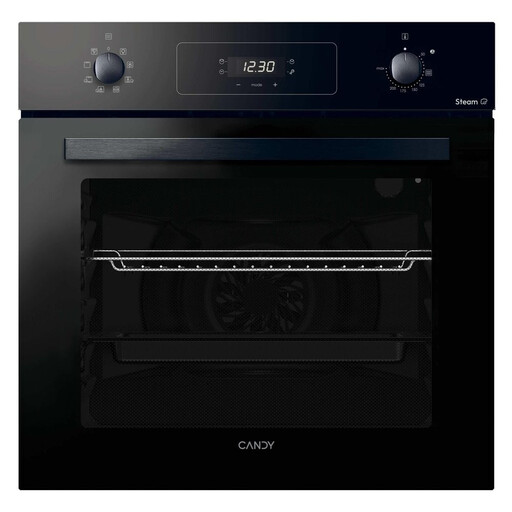 Image unavailable
A single cavity is a practical starting point if you usually bake one sponge dish and do not need to separate other meals.
Before choosing this model, confirm that its fan setting can be set to 160°C, that your dish fits with clearance and how it must be connected.
 Image unavailable
This single built-in model is worth considering when replacing one cavity and prioritising fan baking over a second oven.
Check its timer and selectable temperature settings against your recipe, measure the dish and cabinet opening, and confirm the hardwired connection with an installer.
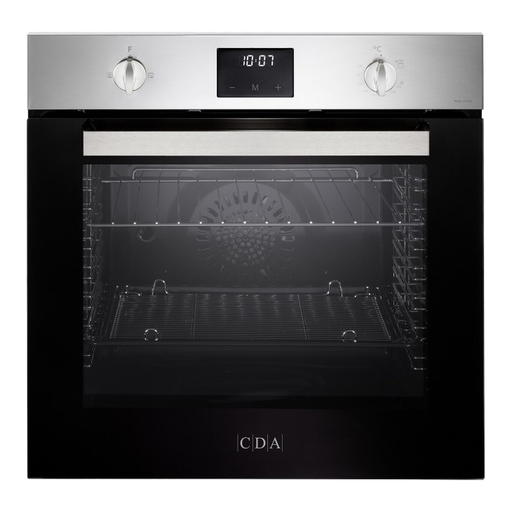 Image unavailable
Consider this gas model if a gas built-in oven suits your kitchen, rather than treating it as an interchangeable electric replacement.
Confirm compatibility with your gas supply and the model’s installation requirements. Also check that its fan setting reaches your recipe temperature and that your dish has adequate clearance.
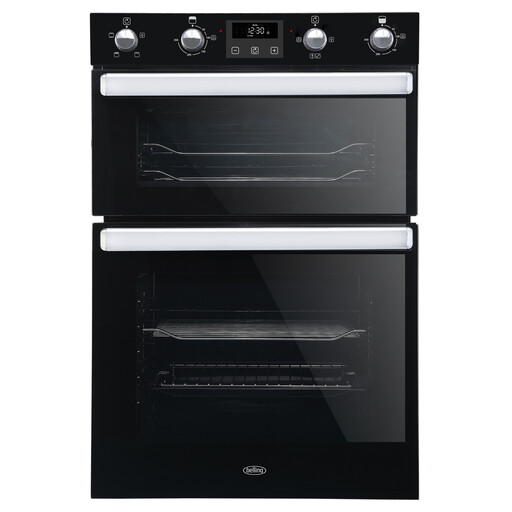 Image unavailable
Two cavities may help if lunchbox baking often overlaps with preparing another dish; use the main oven’s fan setting for a recipe calling for fan heat.
Check the main oven’s selectable temperature and dish clearance, then confirm the housing dimensions and electrical connection requirements.
For the recipe reproduced by Recipe Finder from BBC Good Food, start at 160°C fan and allow 35–40 minutes for a sponge in a 1.5-litre dish. Follow your own recipe if its dish or quantities differ, and check doneness with its skewer guidance.
No: one suitable fan-oven cavity is enough for a single sponge dish. A double oven is worth considering if you regularly need a separate cavity for other cooking and have the housing and connection it requires.
That depends on the exact model and your existing installation. Electrical Safety First notes that some ovens use a standard plug while others need hardwiring or a dedicated circuit; check the installation instructions and arrange qualified help where required.
Compare the energy label and product information sheet for each exact model you are considering. An airflow or cleaning feature alone does not tell you how much energy your own baking routine will use.
Follow the recipe and the storage needs of any filling or topping. If the finished food requires chilling, GOV.UK advises cooling cooked food and refrigerating it within one to two hours; that guidance does not set one storage period for every plain treacle sponge.