Party batch planners
If you want to bake enough apple slices for guests in as few cycles as practical, usable tray area and shelf positions matter more to your choice than a long list of cooking modes.


If you have a suitable built-in position and need room for party batches, compare full-size fan ovens first. If you need extra baking space alongside your main oven, a two-level countertop convection oven may suit you better, provided it fits safely. For apple slices, check usable tray dimensions, multi-level baking instructions and recipe controls rather than relying on cavity litres alone.
If you want to bake enough apple slices for guests in as few cycles as practical, usable tray area and shelf positions matter more to your choice than a long list of cooking modes.
If your main oven is occupied, a separate countertop appliance could help with party preparation, but it needs clear worktop space and a suitable electrical connection.
If you expect to make repeat or smaller batches, preheat indication, adjustable settings and a view of the food can help you follow your recipe consistently.
Choose between an installed oven and an additional worktop appliance before comparing the space available for your trays and the controls you will use for repeat batches.
Choose when: You have a compatible kitchen position and want to accommodate the trays needed for a party batch.
Allow for: Cabinet fit and the installation requirements of the particular gas or electric model.
Choose when: You need extra baking space without replacing your main oven.
Allow for: Its worktop footprint, electrical connection and the size of the trays it can hold.
| Concern | What to check | Who this matters to |
|---|---|---|
| Batch capacity | Measure your preferred tray against usable shelf dimensions; confirm whether the baking mode permits two or more levels at once. | If I need enough apple slices for guests without repeated oven cycles, the number of trays I can actually use comes first. Around 42% of consumers would put batch capacity first. |
| Kitchen fit and connection | For a built-in oven, check the cabinet opening and installation requirements; for a countertop oven, check clear worktop space and its electrical connection. | If my main oven is busy, I need an extra appliance that fits my kitchen safely. Kitchen fit and flexibility would be the primary concern for around 25% of consumers. |
| Baking control | Check the Bake settings, temperature and timer controls, shelf guidance and whether you can see the food as it cooks. | When I make repeat batches, I want to follow the recipe and check each tray before the slices overcook. Around 33% of consumers would prioritise baking control. |
A capacity figure cannot tell you whether your baking tray fits or whether the oven can use two trays in the chosen mode.
Measure your tray or tin, then check internal dimensions, supplied accessories and any multi-rack instructions.
A separate convection oven still needs a suitable place to stand, with the clearances specified for that appliance.
Measure the intended worktop position and check placement and connection instructions before ordering.
A different appliance position or qualified electrical work may be needed, depending on your kitchen setup.
Electrical Safety First warns that ovens and grills can overload extension leads when used with other large appliances, creating a fire risk.
Do not daisy-chain extensions. Check the appliance’s connection requirements and ask a qualified electrician if you are unsure about the circuit.
A timer does not remove the risk of a cooking fire. Electrical Safety First advises against leaving food cooking unattended.
Stay nearby while the apple slices bake, keep tea towels and oven gloves away from heat, and let the appliance cool before cleaning spills.
Beko’s BBXIF243 is a 60cm built-in single fan oven with a stated 72L capacity and AeroPerfect airflow system.
SharkNinja UK presents the DT200UK as a large countertop oven with Bake mode, two-level cooking and True Surround Convection.
Sage’s SOV860BSS4GUK1 is a countertop oven with digital PID temperature control, preheat indication, an interior light and Super Convection.
These built-in fan ovens and built-in convection microwave combinations are options to compare if you have a suitable installation position. For a larger party batch, distinguish the full-size oven formats from the smaller combination appliances and check tray fit for each.
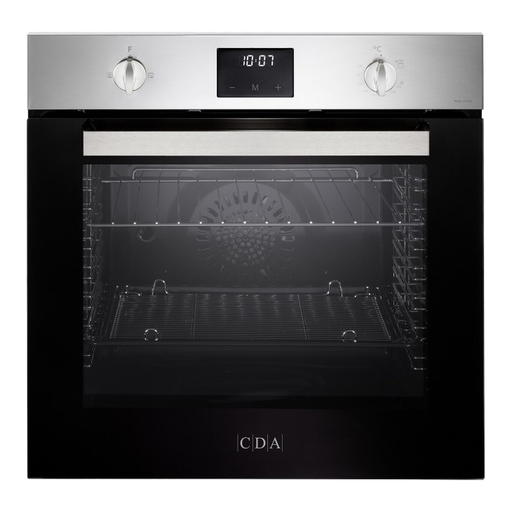 No image available
For a party batch in a built-in gas oven, compare your preferred tray with the usable shelf space.
Single gas fan oven with a stated 70L capacity. Confirm gas-supply compatibility and installation requirements.
 No image available
If you want to bake several trays, check their fit and the oven’s instructions for simultaneous baking.
Built-in single electric oven. Confirm cabinet fit, electrical connection requirements and included baking accessories.
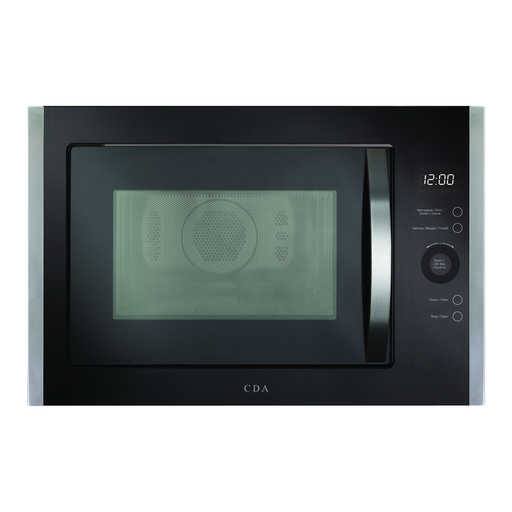 No image available
For a smaller apple-slice batch, check whether your cookware fits its convection-baking arrangement.
Built-in 25L microwave combination appliance, not a full-size fan oven. Confirm cabinet fit and whether its rack can be used as needed in convection mode.
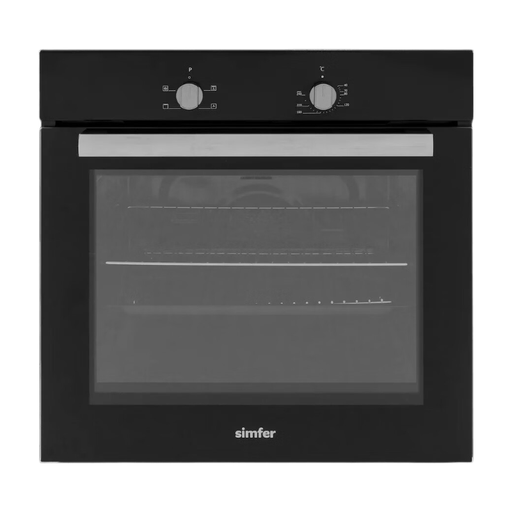 No image available
For party baking in an installed fan oven, compare its usable tray space with the portions your recipe needs.
Built-in single electric fan oven. Confirm cabinet fit and the temperature and timer controls you need.
 No image available
For a smaller batch in a combination appliance, check cookware fit before planning how many oven cycles you will need.
28L combination microwave with convection cooking, not a full-size fan oven. Confirm the rack arrangement, convection-baking controls and installation fit.
It can be, if the portions you need fit its usable trays and permitted cooking levels within the time available. Check your tray or tin and the oven’s multi-level baking instructions; a cavity-litre figure alone will not establish how many batches you need.
Look for adjustable baking temperature and time, clear preheat indication and a way to check the food. Follow your recipe’s instructions and assess each batch rather than applying a general claim about faster convection cooking to apple slices.
Check the appliance’s stated connection requirements and the socket arrangement where you plan to use it. Electrical Safety First warns that ovens and grills can overload extension leads when used with other large appliances; do not daisy-chain extensions, and consult a qualified electrician if the circuit arrangement is uncertain.