Single-tray family cooks
If the chicken, potatoes and vegetables usually share one tray, usable shelf space and a suitable fan-cooking mode matter more than a second cavity. Check your own roasting tin against the oven’s internal dimensions.


For a family meal that usually fits on one roasting tray, start with a full-size built-in fan oven and check that the tray, cabinet opening and electrical installation suit the exact model. A double oven makes more sense when another dish regularly needs its own temperature; roast sensors and cleaning features may be useful, but neither replaces checking that chicken is fully cooked.
If the chicken, potatoes and vegetables usually share one tray, usable shelf space and a suitable fan-cooking mode matter more than a second cavity. Check your own roasting tin against the oven’s internal dimensions.
If sides or dessert often need a different temperature while the chicken roasts, separate oven cavities may be more useful than a larger single cavity. The taller installation space is part of that decision.
Frequent roasting makes the cleaning system and access to the cavity worth examining, once tray fit and installation have been settled. Cleaning features differ between individual models.
Decide whether the meal needs one temperature or two, then check tray fit and installation before comparing controls and cleaning features.
| Concern | What to check | Who this matters to |
|---|---|---|
| Usable tray space | Compare internal shelf and tray dimensions with your roasting tin; cavity litres alone cannot establish fit. | When the whole meal goes on one tray, I need room for the chicken and vegetables without choosing an oven by its litre figure alone. Around 36% of consumers would put usable single-cavity space first. |
| Separate cooking zones | Check both cavities’ cooking functions and sizes, plus the cabinet opening and connection requirements. | If dessert or a side needs another temperature, I want it cooking separately from the chicken rather than adjusting the whole meal to one setting. Separate zones would come first for around 29% of consumers. |
| Timing and doneness | Check the exact model’s timer and controls; treat any food sensor as an aid, not a substitute for a final doneness check. | I want to keep track of the roast and check the chicken thoroughly before serving, even if an automatic programme has finished. Around 21% of consumers would make timing and doneness control their primary concern. |
| Cleaning and energy figures | Identify the exact cleaning system and compare energy-label figures only for like-for-like cooking modes. | After frequent roasts, I care about cleaning the oven and understanding what its published energy figure measures. These considerations would come first for around 14% of consumers. |
A capacity figure cannot tell you whether your roasting tin fits on a shelf with room for the food.
Compare your cookware with the exact oven’s internal shelf dimensions and check which trays and racks are supplied.
The NEFF U1ACE2AG3B double oven measures 888 × 594 × 550 mm, according to NEFF, and requires electrical connection by an electrician. Its installation needs differ from those of a standard single-oven opening.
Measure the cabinet opening and check the selected model’s installation drawing and electrical requirements before ordering.
Professional installation may also need to be arranged.
A timer or roast programme does not establish that the chicken is fully cooked.
Check the chicken before serving. The Food Standards Agency advises checking that food is cooked completely and considering a food thermometer.
AEG’s product information sheet gives the BEX335011B a fan-forced consumption figure of 0.81 kWh per standard cycle. That figure is not the electricity use of your particular traybake.
Compare figures for equivalent test modes and use them to assess exact models, not to predict a meal’s consumption.
The BEX335011B is an example to examine if a single built-in cavity suits the family meal.
The HBG7784B1 illustrates a single built-in oven with model-specific cleaning features.
NEFF’s cited models illustrate two different choices: a double oven for separate dishes and a single oven with a retracting door.
These built-in single and double ovens offer choices for a one-cavity traybake or a meal needing separate cooking spaces. Check the exact tray fit, controls and installation requirements before choosing.
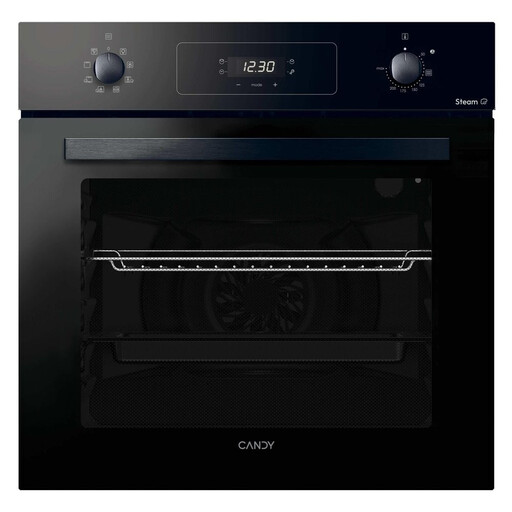 No image available
Consider this single-cavity format if the chicken and vegetables normally roast together. Its stated 65 L capacity does not establish whether your tray will fit; compare internal dimensions and check the installation requirements.
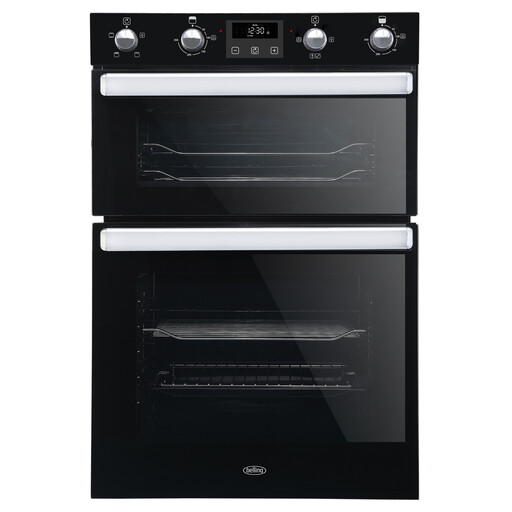 No image available
Consider a double oven when another dish needs a separate cooking space alongside the traybake. Before choosing this model, confirm the usable dimensions of both cavities, the cabinet opening and the electrical connection requirements.
 No image available
A single-cavity option to consider when the traybake is the main dish. Confirm the cooking functions and timer on this exact model, then check tray fit, the cabinet cut-out and electrical installation instructions.
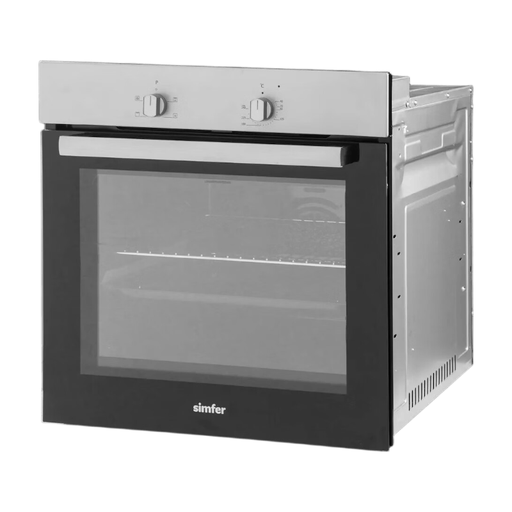 No image available
This single fan oven is a choice to examine for a meal cooked in one cavity. Confirm the internal tray space and timer, and resolve the stated dimensions against the model’s installation drawing before checking cabinet fit.
No. Check that the chicken is fully cooked before serving, regardless of the setting or programme used. The Food Standards Agency advises checking food thoroughly and considering a food thermometer.
No single adjustment works for every domestic oven and recipe. Start with the recipe or pack instructions and the oven’s guidance, then check that the chicken is fully cooked rather than relying on elapsed time alone.
Use the exact model’s installation drawing to check the required cabinet cut-out, not just its visible front dimensions. A double oven may need a substantially taller opening: NEFF states appliance dimensions of 888 × 594 × 550 mm for the U1ACE2AG3B.
Follow the exact appliance instructions and arrange a qualified installer where they require one. NEFF specifies electrical connection by an electrician for the U1ACE2AG3B double oven; do not assume another model has the same connection requirements.
No. It describes a standardised test cycle for a named model and cooking mode, not your particular meal. AEG’s product information sheet lists 0.81 kWh per cycle in fan-forced mode for the BEX335011B; compare such figures only on a like-for-like basis.