
24/7 Customer Support

Free returns

Same-day & Next-day Delivery

Quality Guaranteed

Unlock Your Welcome Offers: FREE Delivery | Up to 80% OFF | Free 30-day JoyPlus trial
Download the APP
Waiting for your phone to charge can feel like a relic of the past, yet many of us are still tethered to slow, outdated plugs. Upgrading to one of the many fast chargers on the market seems like a simple fix, but it's easy to waste money on a product that doesn't deliver on its promises. A tangled mess of cables, a charger that's surprisingly slow or a bulky plug that's a nuisance to travel with are common complaints.
As the Joybuy Product Recommendation Officer, my role is to help you navigate these choices. Before you make a purchase, let's look at the three most common pitfalls that UK consumers encounter and how you can avoid them.
To ensure you get a charger that truly performs, focus on these key parameters.
Wattage (W) measures the speed of power delivery. A higher wattage generally means faster charging, but only if your device supports it. Here’s a quick guide:
Look for a USB C charger that explicitly states it supports Power Delivery (PD). This is the universal standard for fast charging across a huge range of devices, ensuring broad compatibility.
The future is USB-C. This versatile port offers higher power and data speeds. For any new purchase, prioritise chargers with at least one USB-C port. However, many of us still have devices that use the older USB-A standard (the rectangular one). A multi-port charger with a combination of USB-C and USB-A ports offers the most flexibility, allowing you to charge both new and legacy gadgets from a single fast charging plug.
Not all chargers are created equal. Consider where and how you'll use it:
Instead of a generic list, we've matched specific chargers to different user needs.
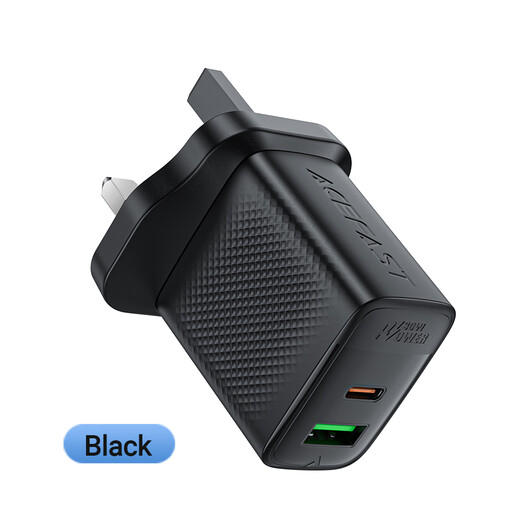
Why This Fits Their Persona: Perfect for someone who needs a lightweight, compact charger to throw in a bag for the office or a coffee shop. The 30W output is powerful enough to fast-charge a phone or tablet, and the dual ports handle both modern and older devices without needing two separate plugs.
This is a GaN charger, so it avoids the pitfall of being bulky and inefficient. It's small, runs cool and is ideal for portability.
Features both a USB-C (PD 30W) and a USB-A port for maximum compatibility in a tiny form factor.
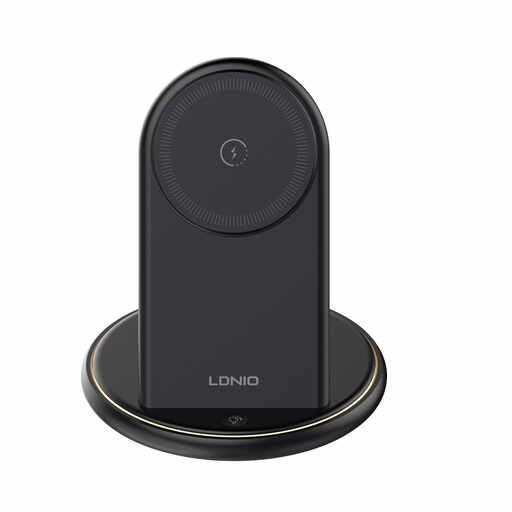
Why This Fits Their Persona: For anyone tired of a desk cluttered with cables, this stand is a streamlined solution. It charges a phone, earbuds and other accessories all at once from a single plug, keeping your workspace organised. The upright stand is also great for video calls or keeping an eye on notifications.
This is a purpose-built 3-in-1 charger (plus two USB ports), designed to power multiple devices efficiently without the guesswork of a generic multi-port plug.
Combines a wireless charging stand with additional wireless pads and USB ports, decluttering your desk by charging up to five devices at once.
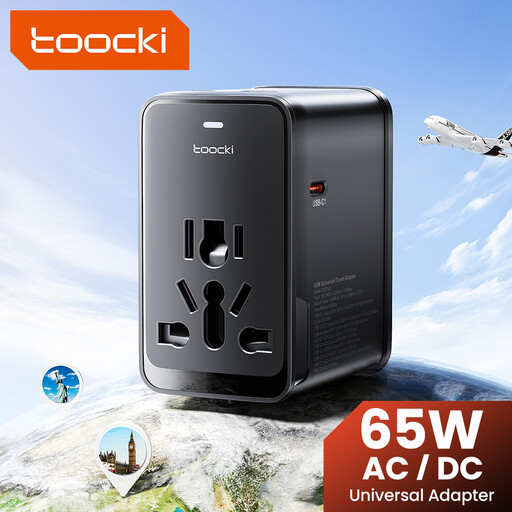
Why This Fits Their Persona: This is the ultimate tool for anyone travelling abroad. It replaces a bag full of adapters and chargers with a single, compact unit. With sliders for EU, UK, US and AUS plugs and multiple USB ports, it can power a laptop, phone and other gadgets anywhere in the world.
It avoids the "total wattage" trap by offering a high-power 65W PD USB-C port, which is clearly specified for charging laptops, while other ports handle smaller devices.
An all-in-one universal travel adapter and multi-port charger with three USB-C ports and one USB-A port, providing a complete global charging solution.
We have compiled a complete, real-time list of products that fully satisfy these strict selection criteria and UK safety regulations.
Check your phone's official specifications for its maximum charging wattage and required fast-charging protocol (e.g., Power Delivery for iPhones, PPS for newer Samsung models). Then, match this to the charger's output specifications, which are usually printed on the plug or listed in the product details. A USB C charger that supports PD offers the widest compatibility.
Modern smartphones and certified chargers contain safety circuits that prevent overcharging. The charger and your device "communicate" to determine the safest, fastest possible speed. As long as you use a charger from a reputable brand that is certified for UK use (look for the UKCA mark), it will not harm your battery. Your device ultimately controls how much power it draws.
A GaN charger uses Gallium Nitride, a modern semiconductor material that is more efficient than the silicon used in traditional chargers. This allows them to be much smaller, lighter and generate less heat. If you travel frequently or simply want to reduce the size and weight of your plugs, a GaN charger is a very practical and worthwhile upgrade.