
24/7 Customer Support

Free returns

Same-day & Next-day Delivery

Quality Guaranteed

Unlock Your Welcome Offers: FREE Delivery | Up to 80% OFF | Free 30-day JoyPlus trial
Download the APP
In an age where our laptops, tablets and smartphones are central to our daily lives, a slow or broken charger is more than a minor inconvenience. The standard cables that come with our devices often feel like an afterthought—prone to fraying and too slow for our needs. With USB-C becoming the universal standard, the market is filled with options, making it difficult to know which cable is a worthwhile upgrade.
This guide is designed to help you cut through the clutter. As a Joybuy Product Recommendation Officer, my role is to provide clear, practical advice to help you choose a fast charging USB C cable that not only powers your devices quickly but is also built to last.
Before looking at specific products, it helps to understand what features make a real difference. Consider these key points when making your selection.
Not all USB-C cables are created equal when it comes to power. The wattage determines how quickly a cable can charge a compatible device. For power-hungry electronics like a laptop, you'll need a high-wattage cable. A 100W USB C to C cable, for instance, is ideal for use as a MacBook Pro charging cable or for other high-performance laptops, delivering power at the maximum rate. For smartphones and tablets, a cable rated for 30W to 65W is usually more than sufficient for fast charging.
The "USB-C" label refers to the shape of the connector, but the cable can have different connectors at each end.
A cable is only as good as its construction. A braided charging cable, typically made from woven nylon, offers far greater resistance to fraying and tangling than standard plastic-coated wires. Connectors made from zinc alloy also add a layer of robustness, preventing bending or breaking at the most common point of failure.
Beyond build quality, some cables offer advanced features. A smart charging cable with LED indicators can provide at-a-glance status updates, while an automatic power off charger function can help protect your device's battery health by stopping the charge once it's full.
Based on features, build quality and user needs, here are our recommendations for reliable charging cables available today.
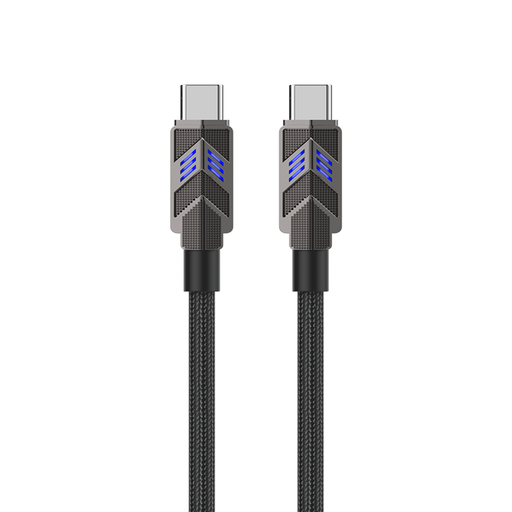
Why It Stands Out: This cable combines high power with intelligent battery protection. Its standout feature is the smart chip that monitors charging. The LED indicator glows red during charging and turns blue when the device is full, at which point it automatically switches to a trickle charge. This prevents overcharging and can help preserve your battery's long-term health.
Pros:
Who is it for? This is an excellent choice for tech-savvy users with high-power devices like a MacBook Pro or Dell XPS, who are also conscious of protecting their battery life.
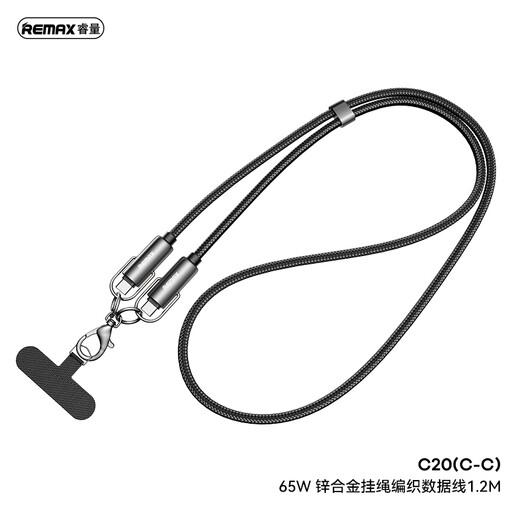
Why It Stands Out: The REMAX 65W cable is a workhorse, designed for reliability and everyday resilience. Its 65W output is a versatile sweet spot, powerful enough for many laptops (like a MacBook Air) and tablets, while also fast-charging any USB-C smartphone. The build quality is its main selling point, with a thick braided exterior and solid zinc alloy connectors. The adjustable collar for strain relief is a thoughtful touch that enhances its longevity.
Pros:
Who is it for? Ideal for anyone seeking a highly durable phone charger or a single cable for their phone, tablet and laptop. It's perfect for commuters, students and professionals who need a cable that can survive being tossed in a bag.
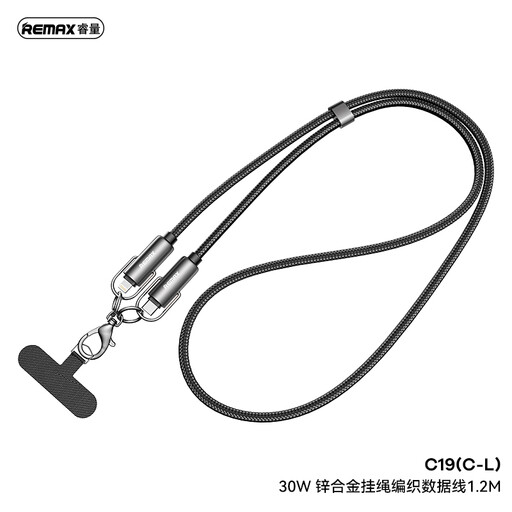
Why It Stands Out: Specifically for the Apple ecosystem, this USB C to Lightning cable provides a significant upgrade in both speed and durability over Apple's standard offering. With 30W power delivery, it can fast-charge a compatible iPhone from 0 to 50% in around 30 minutes when paired with a suitable USB-C adapter. Like its USB-C counterpart, it boasts a rugged braided nylon and zinc alloy construction.
Pros:
Who is it for? This is the go-to choice for iPhone and iPad users who are tired of slow charging and flimsy cables and want a reliable, fast and long-lasting replacement.
While these three cables cover many common needs, your specific requirements for length, colour or power might differ. For a wider selection of charging solutions, explore our full range of Gold wire cables to find the perfect match for your setup.
Yes, it is completely safe. Modern charging standards like USB Power Delivery (PD) involve a communication "handshake" between the charger, cable and your device. The device requests only the amount of power it can safely handle, so a high-wattage cable will not damage a lower-wattage device.
A braided charging cable uses a woven fabric sheath (usually nylon) around the internal wires. This provides significantly more protection against abrasion, kinking and fraying compared to the simple PVC or TPE plastic found on standard cables. This makes them far more durable for long-term use.
To achieve the maximum charging speed, you should pair your cable with a compatible wall adapter. Look for a USB-C charger that supports Power Delivery (PD) and has a wattage rating equal to or greater than what your device can accept. The cable enables the fast transfer of power, but the adapter is what supplies it.