
24/7 Customer Support

Free returns

Same-day & Next-day Delivery

Quality Guaranteed

Unlock Your Welcome Offers: FREE Delivery | Up to 80% OFF | Free 30-day JoyPlus trial
Download the APP
A patchy, tired-looking lawn can be a real source of frustration. You want a lush, green carpet of grass, and you want it quickly. The market is flooded with products promising rapid transformations, but many UK homeowners find themselves disappointed when the results don't match the claims on the box. The key to success isn't just picking a packet labelled "fast"; it's about understanding what makes a seed mix truly effective for our specific climate and conditions.
As a Joybuy Product Recommendation Officer, my role is to help you see past the marketing hype. Before you spend your money, let's look at the common pitfalls that can lead to a patchy lawn and wasted effort.
fast growing lawn seed UK blend will contain cultivars that can sprout in cooler soil (around 7-8°C), giving you a much wider window for sowing in early spring and late autumn.To avoid these traps, you need to know what to look for on the packaging. Focusing on these three core parameters will ensure you choose a product that delivers a healthy, resilient lawn.
Not all grass is created equal. The types of seed in the mix determine how your lawn will look and perform.
quick germinating grass seed mixes. It establishes rapidly, is tough and can withstand heavy foot traffic, making it an excellent choice for family gardens. It's a key component in any hard wearing grass seed.grass seed for sun and shade will have a balanced blend of ryegrass and fescues.Modern lawn seeds often come with treatments that give them a head start. Understanding these can make a significant difference. A key feature to look for is a moisture-retaining coating. Technologies like Aqua Gel coat the seed and absorb hundreds of times their weight in water, releasing it back to the seed as the soil dries. This provides a buffer against inconsistent watering and dry spells, ensuring the seed has the moisture it needs to sprout. This is particularly useful for an overseeding lawn mix where new seeds compete with the existing lawn for water.
Consider how you use your garden. If you have children or pets, you'll need a lawn that can handle wear and tear. Look for mixes specifically described as hard-wearing or family-friendly. It's also vital to check that the product is a pet friendly grass seed. Most are safe once established, but it's always best to confirm on the packaging and keep pets off the area for the first few weeks to allow the delicate new shoots to strengthen.
Based on these practical criteria, we've matched some effective lawn seed options to different types of gardeners.
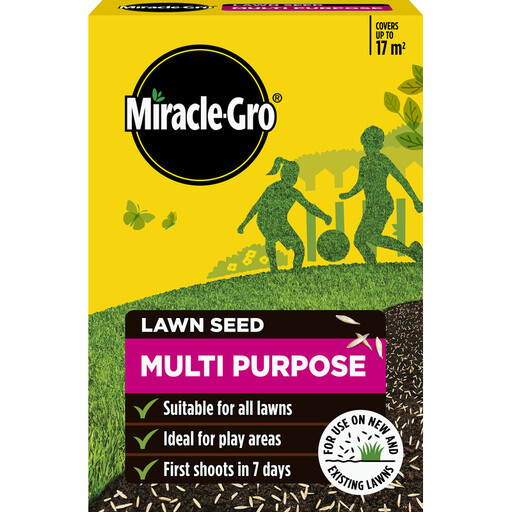
Why This Fits Their Persona: Ideal for those tackling small but stubborn bare spots caused by pets, foot traffic or old garden furniture. The 17m? coverage is perfect for targeted `grass seed for patches` without waste, and its versatile blend works in the mixed sun and shade common in smaller UK gardens.
This is a multi-purpose blend designed for performance in both sun and light shade, avoiding the "grows anywhere" myth by using a mix of cultivars suited for varied conditions, rather than a single weak one.
Contains a hard-wearing grass blend to stand up to use. The quick germination formula is designed to provide visible results for lawn repair projects.
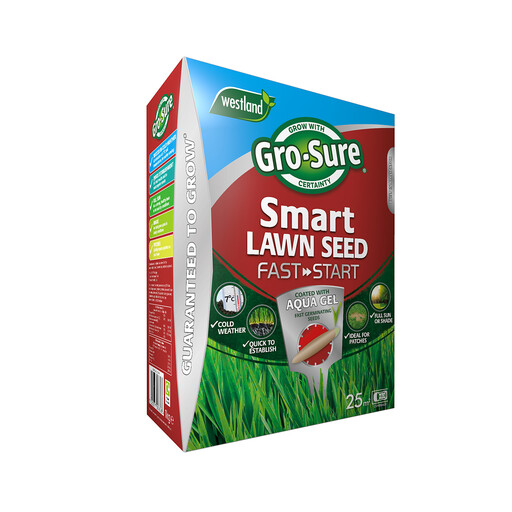
Why This Fits Their Persona: For those who want great results without having to worry about perfect watering schedules. This seed is designed for reliability in the unpredictable British weather, making it a dependable choice for creating a new lawn or for a significant overseeding project.
It directly counters the pitfall of ineffective coatings. The Aqua Gel technology is a functional coating that absorbs and releases water, providing a crucial buffer against drying out and improving germination success.
Formulated to germinate at lower temperatures for earlier/later sowing. The built-in applicator helps ensure even seed distribution, preventing clumps and waste.
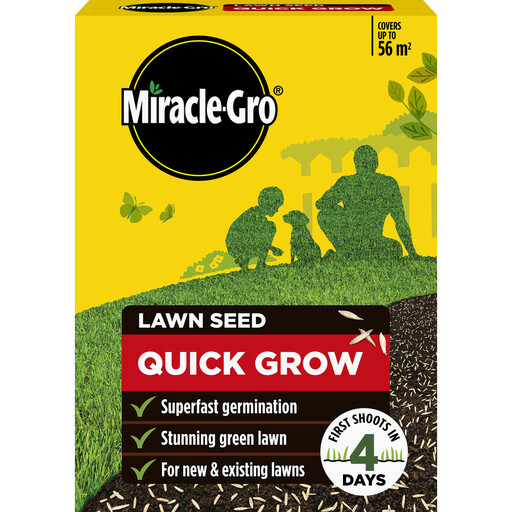
Why This Fits Their Persona: When you need to cover a large area, whether starting from scratch or overseeding a tired lawn, coverage and speed are key. This 1.6kg pack covers up to 56m?, offering good value for bigger projects where you want to see a uniform, fast result across the entire space.
It avoids vague promises by focusing on a specific blend of `quick germinating grass seed` designed for rapid establishment. According to the brand, first shoots can be visible in just 4 days under ideal conditions, setting clear expectations.
Excellent coverage for the price, making it economical for larger lawns. The formulation is also child and pet-friendly, which is essential for family gardens.
We have compiled a complete, real-time list of products that fully satisfy these strict selection criteria and UK safety regulations.
While some packaging may state germination in as little as four days, this depends heavily on conditions. For most fast growing lawn seed UK blends, you can realistically expect to see the first green shoots appear within 7 to 14 days, provided the soil is consistently moist and the temperature is above 7°C. A thick, established look will take a further 4 to 6 weeks of growth.
For the best results, you should prepare the area first. This process is called overseeding. Mow your existing lawn on a low setting, then use a spring-tined rake to vigorously clear away any dead grass, moss and thatch. This allows the new lawn repair seed to make direct contact with the soil, which is essential for germination. After sowing, lightly rake the seed into the soil and water it well.
The vast majority of lawn seed sold for domestic use in the UK is safe for both children and pets. However, it is always wise to check the packaging for a specific pet friendly grass seed statement. To protect the delicate new seedlings from being disturbed or eaten, it is recommended to keep children and pets off the newly sown area until the grass is well-established, which is usually after the first two or three mows.