What to check before buying
Confirm the phone and cable route first, then check the plug, power arrangement and listing details before comparing charger wattage.
| Priority |
What to check |
Your needs |
| Charging compatibility |
Check the phone port, supported charging standard and the manufacturer’s stated charging capability. For compatible third-party iPhone fast charging, Apple Support (UK) specifies USB Power Delivery. |
I want an adapter and cable that physically connect to my phone and use its supported charging route, rather than paying for output it cannot use. |
| Cable capability |
Check both cable ends, stated power capability and whether a cable is included. USB-IF identifies certified USB-C-to-USB-C cable power markings as 60W or 240W; Samsung UK specifies a 5A cable for its 45W charging combination. |
I need to know whether my current cable works, or whether I need USB-C-to-USB-C for a USB-C phone or USB-C-to-Lightning for an earlier iPhone. |
| Electrical safety |
Check the seller and manufacturer details, the UK plug format and product information. Keep chargers away from liquids and heat, and do not use damaged plugs, cables or adapters. |
I want a traceable replacement charger from a reputable retailer, rather than relying on a familiar phone name or safety wording in a marketplace title. |
| Shared and wireless charging |
For multi-port chargers, read the per-port and combined-output table. For wireless charging, confirm the phone’s supported standard, case compatibility and alignment requirements. |
I need to allow for output being shared between devices, or accept a more condition-dependent charging route when choosing wireless convenience. |
Joybuy product options
Joybuy product options for replacement phone charging, including UK-plug USB-C wall chargers and cables for USB-C and Lightning devices.
 No image available
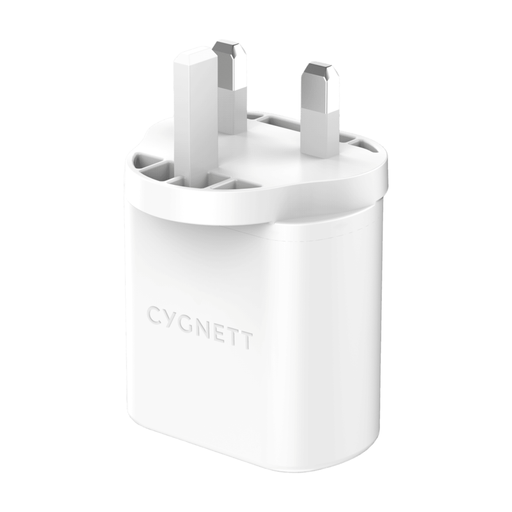
Cygnett PowerPlus 32W Dual-Port USB-C Wall Charger, UK Plug
For charging a compatible USB-C phone alongside a lower-power accessory.
Stated outputs are 20W USB-C PD and 12W USB-A, with a foldable UK plug. The 32W figure is total output, so use the individual port ratings for simultaneous charging.
Check whether a cable is included, and confirm the phone’s connector and supported charging standard before buying.
Joybuy
 No image available
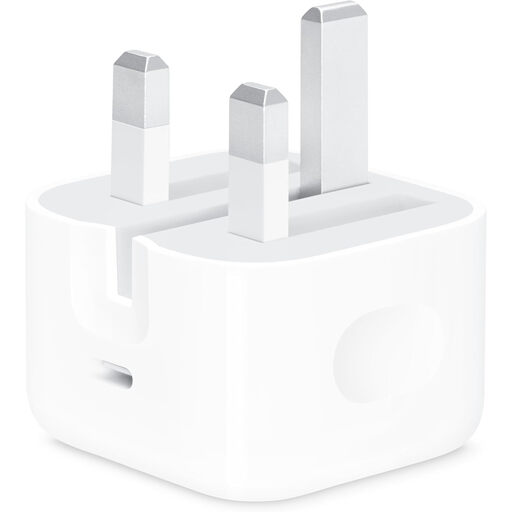
Apple 20W USB-C Power Adapter
For a straightforward wired replacement setup with a supported iPhone or iPad and the correct cable.
This single-port adapter has a stated 20W USB-C output and UK three-pin plug.
A charging cable is not included; choose USB-C-to-USB-C or USB-C-to-Lightning according to the device port. The 20W rating is not a guaranteed charging speed.
Joybuy
 No image available
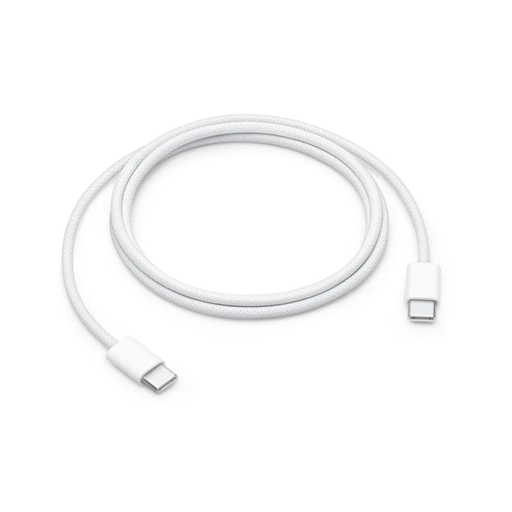
Apple USB-C to USB-C Woven Charge Cable, 1m
For replacing a cable between a USB-C phone and a USB-C wall charger.
The cable has USB-C connectors at both ends, a stated 60W charging capability, USB 2 data transfer and a 1m length.
It does not include a wall adapter and is not suitable for Lightning-port iPhones. Its stated 60W capability does not raise the phone’s own charging limit.
Joybuy
 No image available
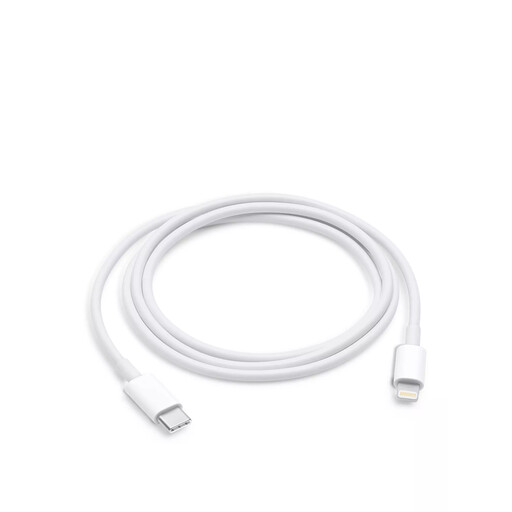
Apple USB-C to Lightning Cable, 1m
For an earlier iPhone or iPad with a Lightning port used with a USB-C power adapter.
This 1m cable has USB-C-to-Lightning connectors and supports charging and data syncing.
A USB-C wall adapter is required and is not included. Check the device port, as newer USB-C iPhones need USB-C-to-USB-C instead.
Joybuy
 No image available
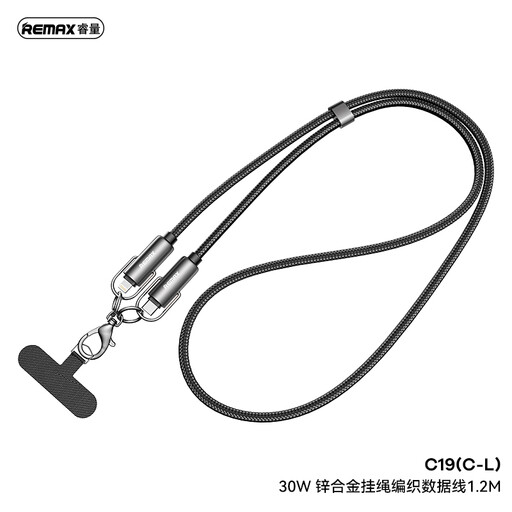
REMAX 30W USB-C to Lightning Braided Cable, 1.2m
For Lightning-device charging from a USB-C PD adapter where a longer everyday cable is useful.
The listing states USB-C-to-Lightning connectors, up to 30W charging, 480Mbps data transfer, braided construction and a 1.2m length.
A separate USB-C wall adapter with a suitable UK plug is required. It is not for USB-C-port phones, and its stated capability does not guarantee a particular device charging rate.
Joybuy
Frequently asked questions
Will a higher-wattage charger damage my phone?
A compatible charger is designed to negotiate power with the device, so a larger wattage label does not make the phone charge above its supported rate. Electrical Safety First explains that fast chargers use a digital handshake and default to 5V if communication fails, but the charger, cable and phone must still be compatible.
Do I need a new cable with a replacement charger?
Possibly: check the charger port, phone port and box contents first. A USB-C iPhone needs USB-C-to-USB-C charging, while an earlier Lightning-port iPhone needs USB-C-to-Lightning for Apple’s wired fast-charge arrangement; Samsung specifies a 5A cable for its 45W charging combination.
Can I use a charger with a non-UK plug at home?
For a normal UK wall socket, choose a charger supplied with a UK three-pin plug or use an appropriate safe solution specified for that product. Do not assume an EU-plug charger fits directly, and check the plug type on the exact listing before buying.
What does UK product-safety law mean for a charger buyer?
The Office for Product Safety and Standards states that the Electrical Equipment (Safety) Regulations 2016 set requirements before electrical equipment is placed on the Great Britain market. These obligations principally apply to manufacturers and other economic operators, so still check the exact listing, seller identity, plug type and recall information before purchase.
Is wireless charging a suitable replacement for wired charging?
It can be suitable if the phone supports wireless charging and convenience matters more than the quickest wired top-up. Google Pixel Phone Help says Pixel support varies by model, while heat, alignment and an incompatible case can affect charging.


